


Spa Website Design for Day Spas and Massage Studios
Spa website design for day spas, wellness centers and massage studios: a treatment menu with durations and prices, packages for two, gift vouchers that guests buy and receive online, and booking connected to the spa software you already use.
- Design + build, one price
- From 700 €
- Gift vouchers sold online
What you get with spa website design
- A treatment menu guests can scanDuration, price and what happens, for every treatment
- Gift vouchers paid and sent onlineCard payment, unique code, delivery by email
- Packages and treatments for twoHalf-day, full-day and couples rituals
- Booking from your spa softwareMangomint, Vagaro, Fresha or a hotel spa system
- A calm design that loads fastYour own rooms in photos, quiet type, light pages
- Readable by Google and ChatGPTTreatments, prices and hours as text
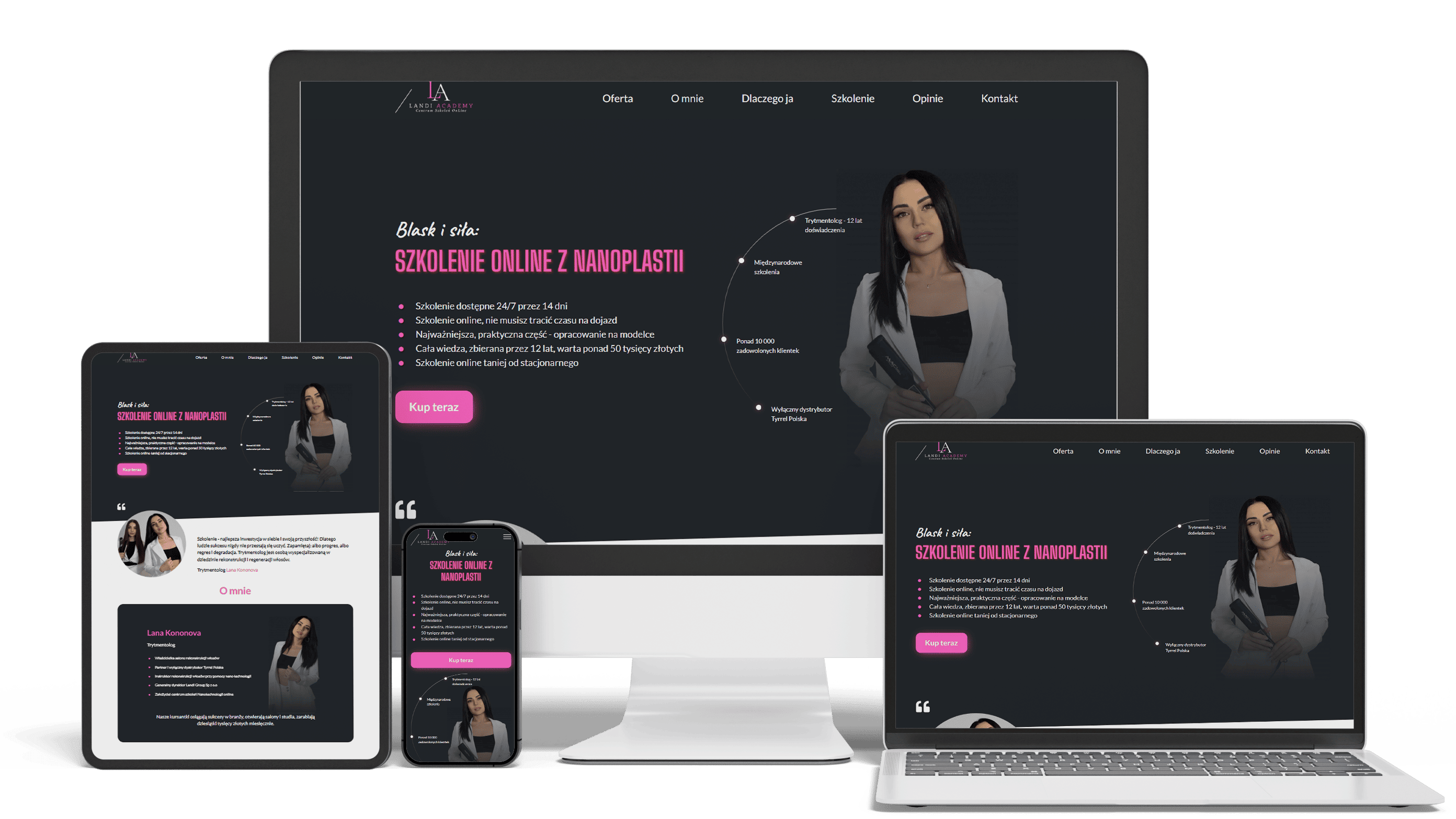
E-commerce landing page with secured video access
100+ course sales0 leaksLinks expire in 14 days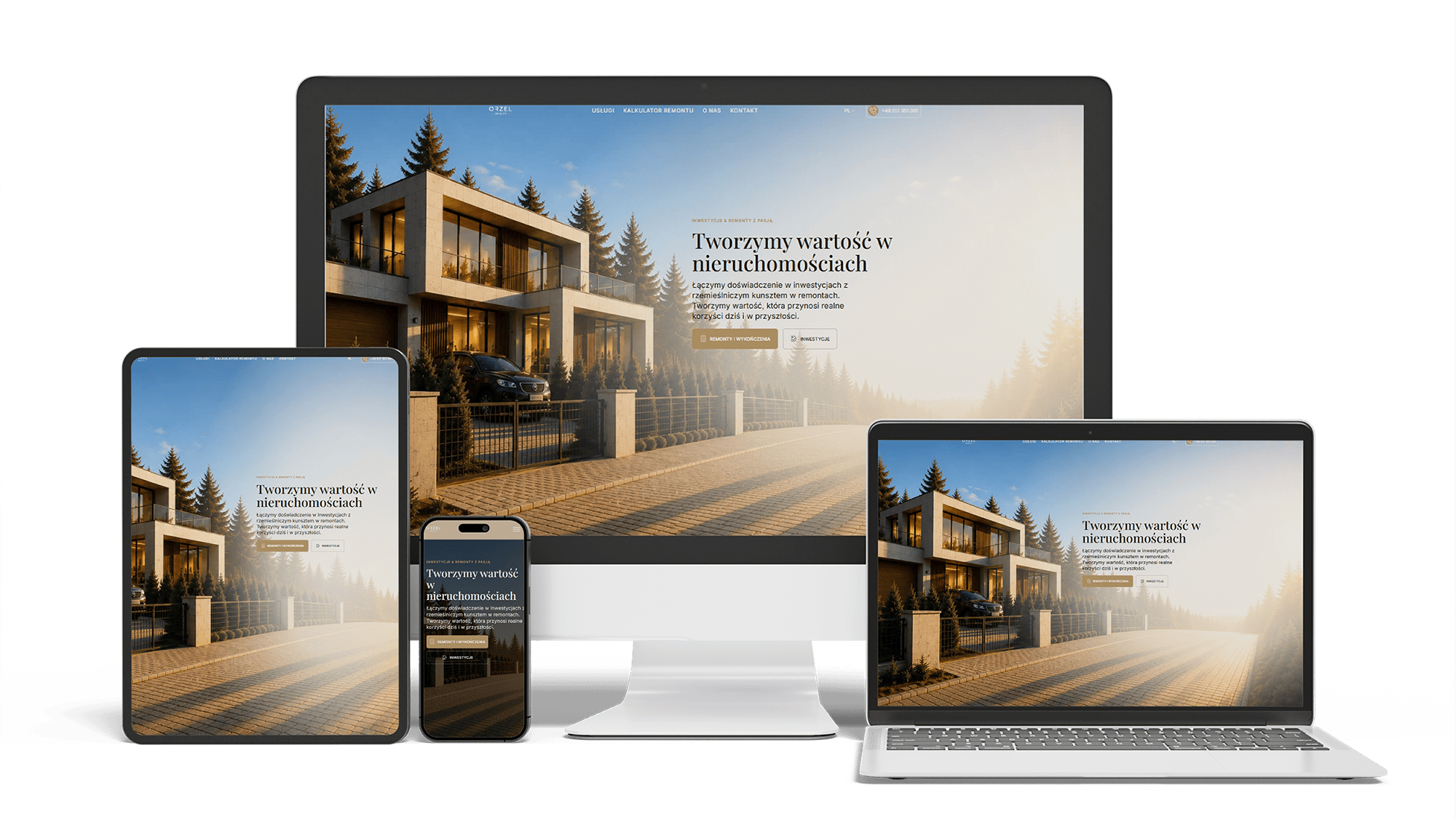
Renovation and investment website with a premium feel and 96/98/100/100 performance
96/98/100/100Design system2 languages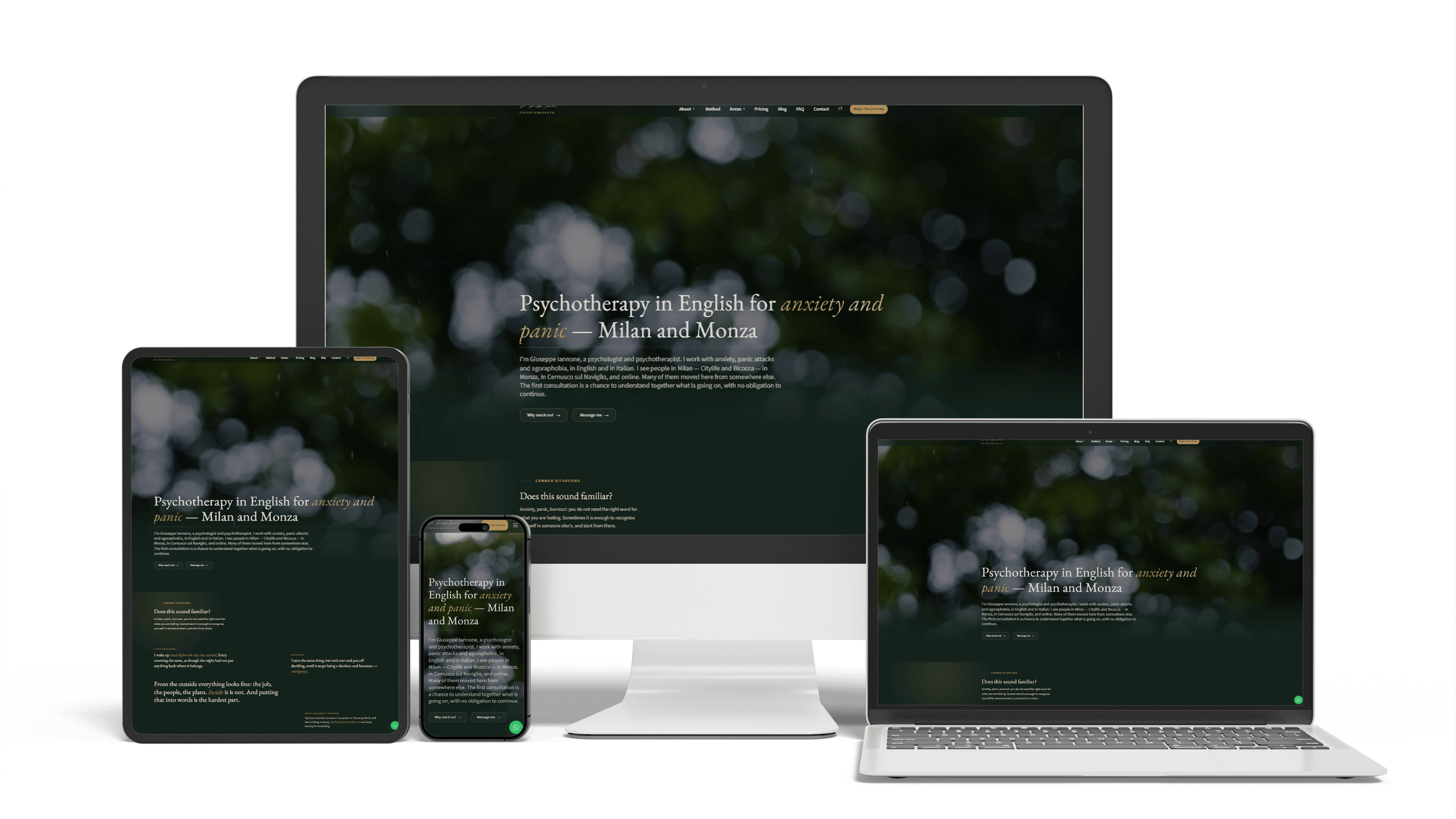
Bilingual psychotherapist website in Italy
468 of 468 posts moved2 languagesSeen in ChatGPT answers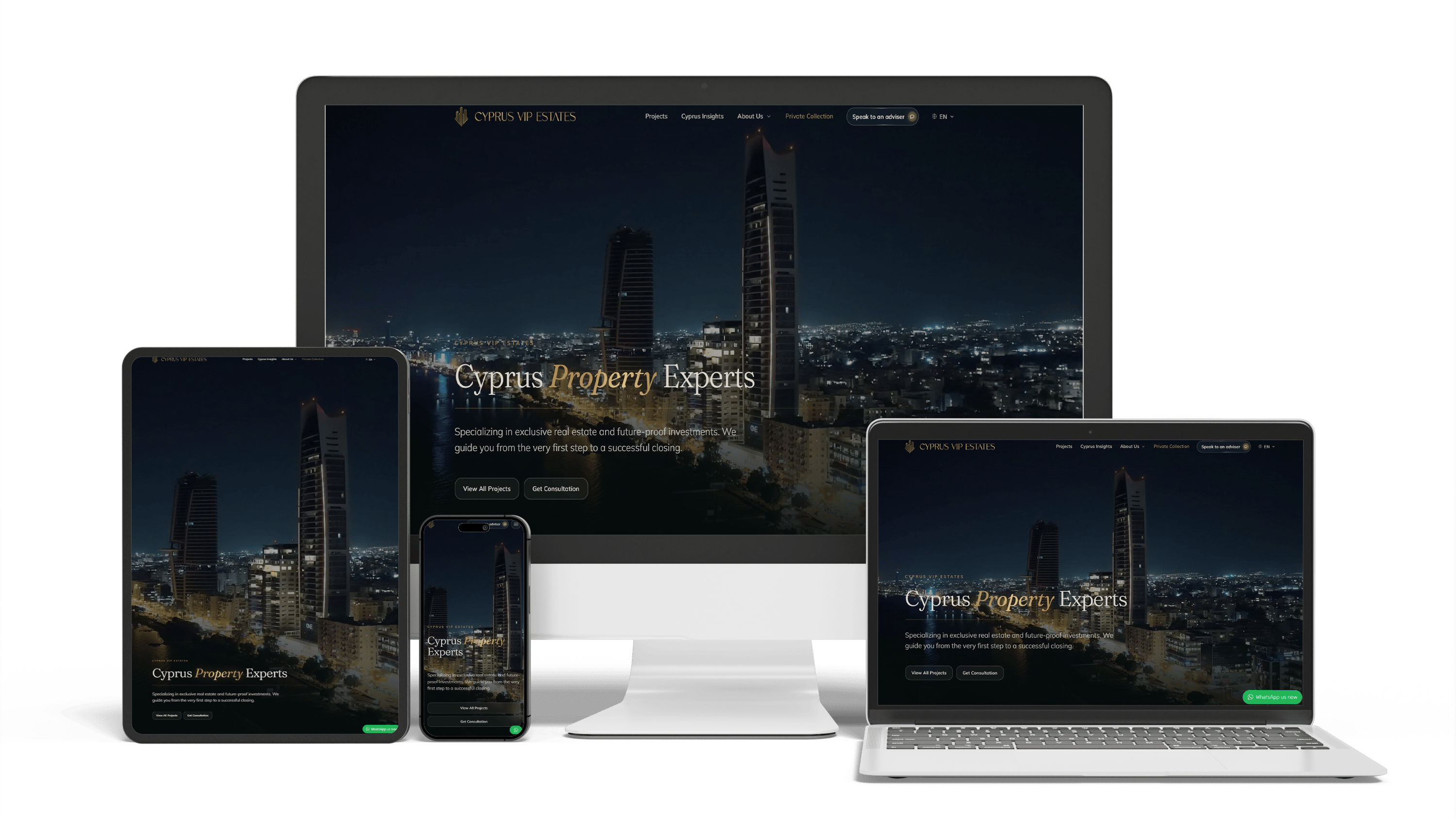
Multilingual real estate platform in Cyprus: SEO and GEO without bought links
16× faster editingTraffic from ChatGPTLeads via WhatsApp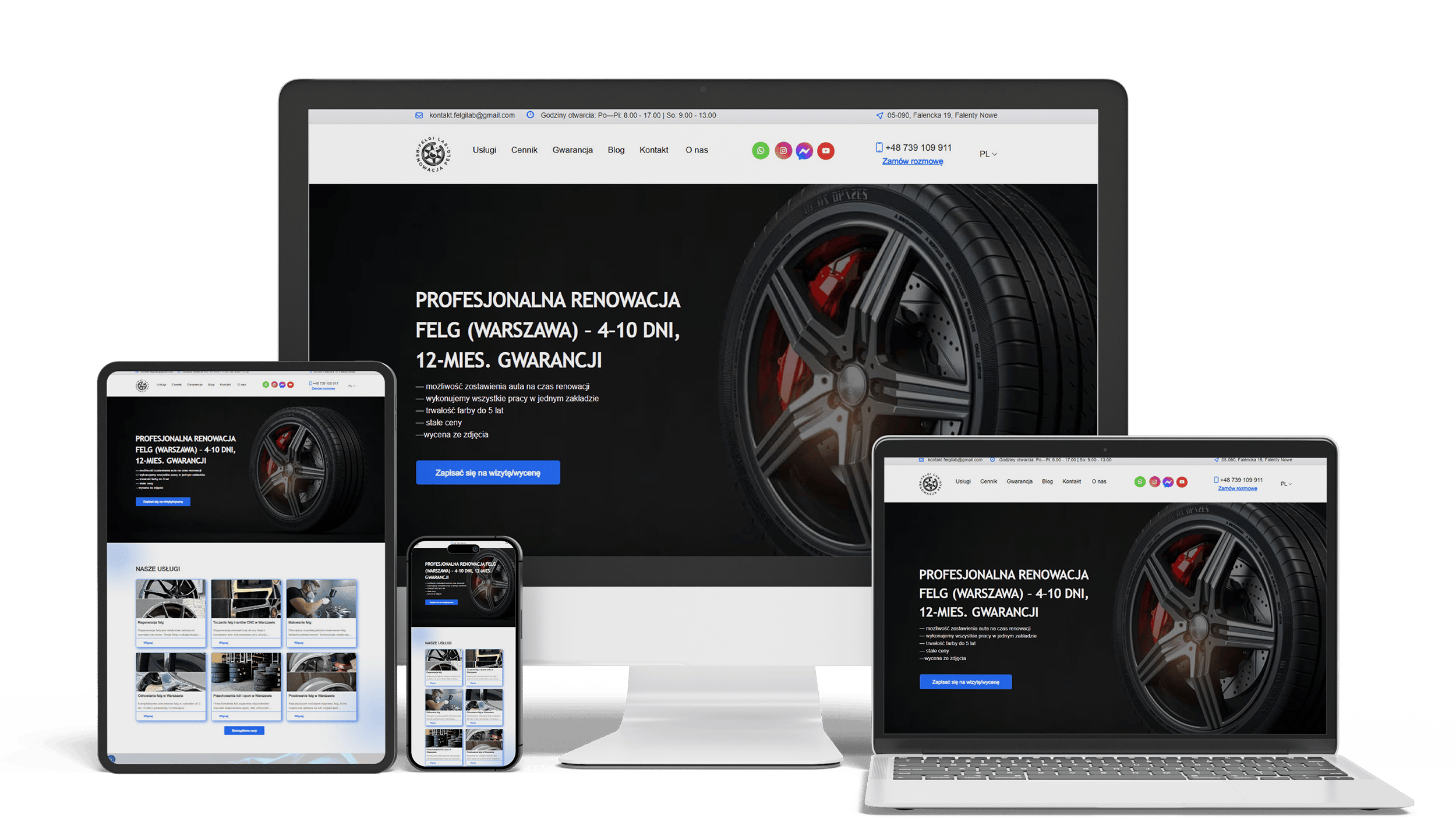
Auto Repair SEO & UX Boost
Performance 90++10% organic trafficLeads from forms
Get a quote for your spa website
I reply within one business day with the pages I would build for your spa — menu, packages, vouchers, booking — and one fixed price.
Spa website design is a quieter job than most web work: the site has to feel like your treatment rooms, yet answer practical questions fast — what a treatment includes, how long it lasts, what it costs, and how to book it or give it as a gift. I design and build websites for day spas, wellness centers, massage studios and hotel spas myself, from the page list to launch, and connect them to the booking and payment tools you already use.
A spa website has at least four kinds of visitors, and each needs a different first step:
- someone booking time for themselves, who wants the menu and a free slot this week
- a gift buyer, often in a hurry before a birthday or holiday, who wants a voucher in the inbox within minutes
- a couple planning a day together, who compare packages
- a hotel guest or tourist, who checks opening hours, day passes and what to bring
The home page gives each of them a clear door: Book a treatment, Buy a gift voucher, Packages for two, Visiting us. Everything else — your story, the products you use, the team — sits one tap deeper.
For many spas, vouchers are a large share of December and February revenue, and most of them are still sold over the phone or at the desk. Online, the purchase takes a minute:
- the guest picks a value or a specific treatment or package
- pays by card or wallet on a secure checkout
- receives a designed voucher with a unique code by email, or has it sent to the recipient on a chosen date
- your front desk checks the code at the visit, and it is marked as used
Some spa software includes gift cards; if yours does, the site uses it. If not, I build the voucher flow on Stripe Checkout. The page I built for Landi Room, a Warsaw beauty salon, sells its online course this way: a Stripe Checkout payment triggers automatic delivery of a unique video link, valid for 14 days. Its first Google Ads campaign brought more than 100 sales. A voucher uses the same mechanics with a code instead of a link. Expiry and refund rules for gift cards differ between states and countries, so the terms on the voucher follow the rules where you operate.
Packages are how a spa raises the average visit, and they need more explanation than a single massage. Each package page shows the full timeline — arrival, sauna or pool time, treatments in order, lunch or tea, departure — with the total time and price, and whether both guests are treated in the same room. Couples packages also answer the questions that stop a booking: can we stay together the whole time, what if one of us wants a different treatment, is there a private suite. A package can be booked directly or bought as a voucher from the same page.
Most spas already run Mangomint, Vagaro, Fresha, Booker, or a hotel system such as Book4Time. The site does not replace it; it sends guests into it at the right place. Depending on what your system allows, Book buttons open the specific treatment, a widget loads after a tap without slowing the page, and package bookings go to a request form when they need a call to arrange. Deposits and cancellation rules appear in one line above the button, so guests read them before they pay.
A massage studio is usually smaller than a day spa, and its guests choose by technique and by therapist. The site lists techniques — Swedish, deep tissue, sports, Thai, prenatal — with a clear description of pressure and purpose, introduces each therapist with a photo, training and the techniques they do, and explains the first visit: arriving early, the intake questions, what to wear, how to say the pressure is too much. A one- or two-person studio often needs five or six pages at most.
Hotel and resort spas sell to two audiences: hotel guests, who already have a room, and locals, who need to know whether they can come at all. A dedicated page answers that: day passes and what they include, pool and sauna hours, age limits, what to bring, parking and the entrance to use. For spas that welcome visitors from abroad, the menu and booking pages are translated with their own addresses, so a guest searching in German or Spanish finds a page in that language.
A day spa sells relaxation and care; a med spa sells medical aesthetic treatments under a medical director, with consent forms, provider credentials and before-and-after rules. Mixing the two on one site confuses guests and invites claims a wellness business should not make. If you offer injectables or laser treatments, those belong on a separate site or section built for that purpose, described on my med spa website design page.
Many new guests find a spa through “day spa near me” or “massage near me” and choose from the map. The site supports that with the same name, address, hours and phone as your Google Business Profile, a page per location, structured data for the business and its treatments, and links to your reviews. Ongoing local search work is described on local SEO services.
Guests now ask assistants for “a day spa in Scottsdale with a couples suite” or “where to buy a massage gift card in Portland”. ChatGPT and Google AI Overviews can only recommend a spa whose facts they can read. So treatments, durations, prices, packages, voucher options and hours are written as text delivered by the server, not locked in a PDF or image, and described again in structured data.
Getting named in those answers over time is ongoing work; see AI SEO and GEO optimization.
Design is part of the price, not an extra:
- A simple spa or massage studio website — home, treatment menu, team, booking buttons, policies and contact: 700–1,400 €.
- A full spa website with treatment pages, packages, online gift vouchers, booking integration, hotel or language versions and local SEO setup: from 2,000 €.
How I build sites in general is described under website development; every price range is on the pricing page.
Spa website design: frequently asked questions
Order spa website design: what to send me
Send your spa’s name and current website or Instagram, your treatment menu with durations and prices, your packages, how you sell gift vouchers today, the booking software you use and the languages your guests speak. A few photos of your rooms help me plan the design. I reply with a proposed page list and a fixed price. Use the form above or write on WhatsApp.
