


Senior Living SEO for Assisted Living and Memory Care Communities
I do senior living SEO for independent living, assisted living and memory care communities: a page for each level of care, a Google profile for each community, clear cost information, reviews and tour requests, so adult children searching for a parent find you before a referral list does.
- Care pages + Maps + reviews
- Audit from 250 €
- Reply within one business day
What you get with SEO for senior living
- A page for each level of careIndependent, assisted, memory care and respite stays
- A Google Business Profile per communityCategory, tour hours, real photos, the matching page
- Cost pages families can readStarting prices, what is included, payment options
- Reviews answered without resident detailsA routine for families and replies that protect privacy
- Reports in tours and move-insEvery inquiry tagged with the page it came from
- Named in ChatGPT and AI OverviewsCare levels and prices assistants can quote

Bilingual psychotherapist website in Italy
468 of 468 posts moved2 languagesSeen in ChatGPT answers
Multilingual real estate platform in Cyprus: SEO and GEO without bought links
16× faster editingTraffic from ChatGPTLeads via WhatsApp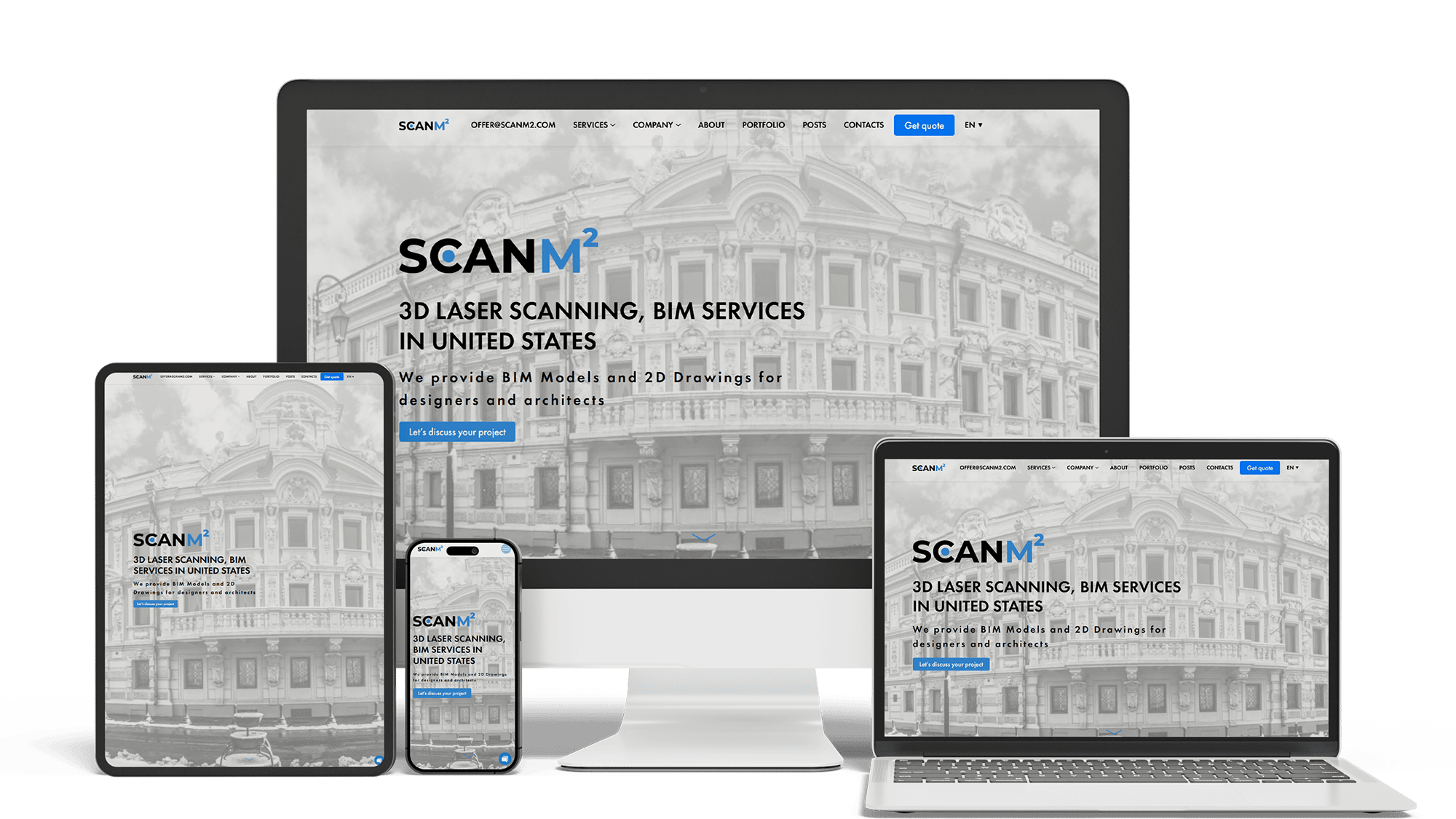
Architecture Website Rebuild and SEO
29× organic trafficLoads in under 1 sTop 3 in Poland
Full Multilingual Website Development & SEO for Student Services
+5,930 clicks in 6 months359k impressionsTeam edits it
Auto Repair SEO & UX Boost
Performance 90++10% organic trafficLeads from forms
Get a quote for senior living SEO
Within one business day you get my first three priorities for your community’s search presence and a fixed price.
Senior living SEO is the work that brings families to your community from Google, Maps and AI assistants rather than from paid referral lists: a page for each level of care, a Google Business Profile for each community, clear cost information, reviews and a tour request that takes a minute. One person handles it end to end — audit, page plans, code and reports — for independent living, assisted living and memory care communities and for operators with several locations.
The person typing “assisted living near me” is rarely the future resident. More often it is a daughter or son, sometimes in another state, searching at lunch or late at night after a fall, a hospital discharge or a worrying phone call. They open several tabs and call the two or three communities that answer their questions first. That search happens in three places:
- the map results, where three communities with a rating and a phone number take many of the first calls
- the regular results, crowded with referral services, directories and large operators
- AI answers in Google and ChatGPT, which now name communities when asked which memory care nearby has good reviews
SEO for senior living works on all three: your pages, your profile, your reviews and the plain facts that assistants can quote.
Families search by the care a parent needs, not by the name of your building. One “Our community” page cannot rank for “memory care Scottsdale”, “assisted living with nursing care” and “respite stay after hospital” at once. Each level of care you offer gets its own page, written around the questions that level raises.
Independent living and 55+ community pages
Here the future resident often searches alone: apartments, meals, activities, transportation, the monthly fee and what happens if care is needed later.
Assisted living pages
Adult children want to know what help with bathing, dressing and medication is included, how care needs are assessed, who is on site at night and how the monthly price changes with the care level.
Memory care pages
Searches here are anxious and specific: dementia care with a secured courtyard, care for someone who wanders. The page explains the secured setting, staff training in general terms, the daily rhythm and how families visit.
Respite and short-term stay pages
A short stay after surgery or while a family caregiver travels is often the first contact with a community. A separate page catches these searches and lets a family see the community from inside.
Assisted living and memory care are licensed by each state, and the names, rules and allowed services differ: what one state calls assisted living, another licenses as a residential care facility or a personal care home. A care page should name your license type as text, describe only the services your license allows and make no promises about health outcomes. Senior housing is also housing, so fair housing rules apply to your pages and ads: describe the community and its services, not the kind of resident you prefer. These are general points; your licensing consultant or attorney checks the wording for your state.
For “assisted living near me” the map decides. Each community needs its own profile with the primary category that matches its license, the hours when families can tour, real photos of apartments and common areas, the services list and a link to that community’s page rather than the home page. Operators with several communities need a page and a profile per address, with the same name, address and phone on the site, the profile and senior care directories. More on maps work on the local SEO services page.
Referral services such as A Place for Mom or Caring.com rank high for almost every “assisted living + city” search. They pass a family’s details to several communities and charge a fee when someone moves in. For many communities they remain a real source of residents; the price is a family that is already comparing you with others, and a fee on each move-in.
Senior living SEO does not replace those services. It adds a channel where the family finds you directly. Track the two separately in your CRM, so you can see what a direct move-in costs next to a referred one. A complete directory listing that links to your site also supports your own pages.
“How much is assisted living in [city]” and “memory care cost per month” are among the questions families type most, and many community sites answer them with “contact us for pricing”. The family then reads an average on a referral site instead. A cost page that gives a starting monthly price for each level of care, what it includes, how care levels add to it, whether there is a community fee and which payment sources you accept — private pay, long-term care insurance, veterans benefits or a state Medicaid waiver where it applies — answers the search on your own site. It also filters out families for whom the price does not work before your sales team spends an hour on them.
Rankings and traffic are not the result a community needs. The useful numbers are tour requests, calls and move-ins that started from search. I set up tracking so each inquiry carries the page it came from: the call button, the tour form and the brochure download are recorded as separate events and passed to your senior living CRM where it accepts web leads. After a few months you can see which care page brings tours and which only brings readers.
Families read reviews here more closely than for almost any other decision. A steady routine works better than a campaign: ask every family, not only the happy ones, a few weeks after a move-in, with a direct link to Google. Buying reviews or rewarding them breaks the platforms’ rules and US consumer protection rules on endorsements.
Replies need care. Never confirm that the reviewer’s relative lives with you and never discuss anyone’s care in public. A short, calm reply that invites the person to call the executive director shows readers that the community listens without exposing a resident.
Pages about dementia, nursing and daily care belong to what Google calls “Your Money or Your Life” topics, held to a higher standard. The signals it looks for are simple: pages for the executive director, the director of nursing or wellness and the memory care lead with their credentials; the name of the person who reviewed each care page and the date; a clear line between describing your services and giving medical advice. My part is the page plan and the first drafts; nothing about care goes live until your care team has signed it off.
Adult children now ask ChatGPT which assisted living near Tampa takes residents with diabetes, or ask Google how memory care cost compares with assisted living. Assistants answer from facts they can read and confirm in several places. The work of earning a place in those answers goes by two names, GEO (generative engine optimization) and AEO (answer engine optimization). For a senior living community it comes down to:
- levels of care, license type, apartment types, starting prices, payment options and visiting hours written as plain facts
- answers to the questions families ask on tours, published on the care pages
- the same details on your site, your Google profile and the directories
- structured data that connects the operator, each community and its services
I have seen it work for a private medical practice: the site I rebuilt for Giuseppe, a Milan psychotherapist, now has new pages quoted in ChatGPT answers — the same assistant through which he first came to me. More on the AI SEO and GEO optimization page.
Senior living marketing is usually a mix: paid search, social media, referral partners, events and a sales team that follows up every lead. Many firms sell that whole mix on their own platform. I am one specialist who does SEO and builds websites; I do not run ads or social media. You get the search side — pages, profiles, data and tracking — planned and done by the same person, and the site stays yours. My general approach is on the SEO strategy and optimization page. If the site itself needs rebuilding, see senior living website design; clinics and private practices have a separate page on medical SEO.
- Audit of the community website and its Google Business Profile: from 250 €, paid once, ending in a short list of what to fix first.
- One-off senior living SEO work — care-level and cost pages, profiles, structured data, tracking, technical fixes: 250–700 €.
- Monthly SEO — new pages, maps, the review routine, AI visibility and reports in tours: from 800 € per month; in large metro areas with many competing communities, from 1,300 € per month.
For one community outside a big metro, the audit, a set of care pages and a well-kept profile are often enough before any monthly plan. All prices are on the pricing page.
Senior living SEO: frequently asked questions
Order senior living SEO: what to send me
Send the community or operator name, the website and Google Maps links, your levels of care and number of communities, the referral services you use now and the CRM where inquiries go. You get back a short list of first fixes and one fixed price. Use the form above or write on WhatsApp.
