


SEO for a daycare or nursery: how to fill the places you actually have free
A nursery does not need more traffic. It needs a set number of children in one age band by September, and a parent who can see from the site that a place exists. Audit from €250, and if you are full I will say so rather than sell you a campaign.
- Places filled by age group
- Audit from €250
- Named by ChatGPT and AI search
What SEO for a daycare or nursery actually consists of
- A page per age group you need to fillInfants, toddlers, preschool
- Availability stated and kept currentPlaces free, places full, from when
- A waiting list that collects namesParents enquire a year ahead
- The local pack and the walking radiusParents search by street, not by city
- Register entry and inspection recordTrust is checked before anyone calls
- Being named by AI assistants«Nursery near me with a free toddler place in January»
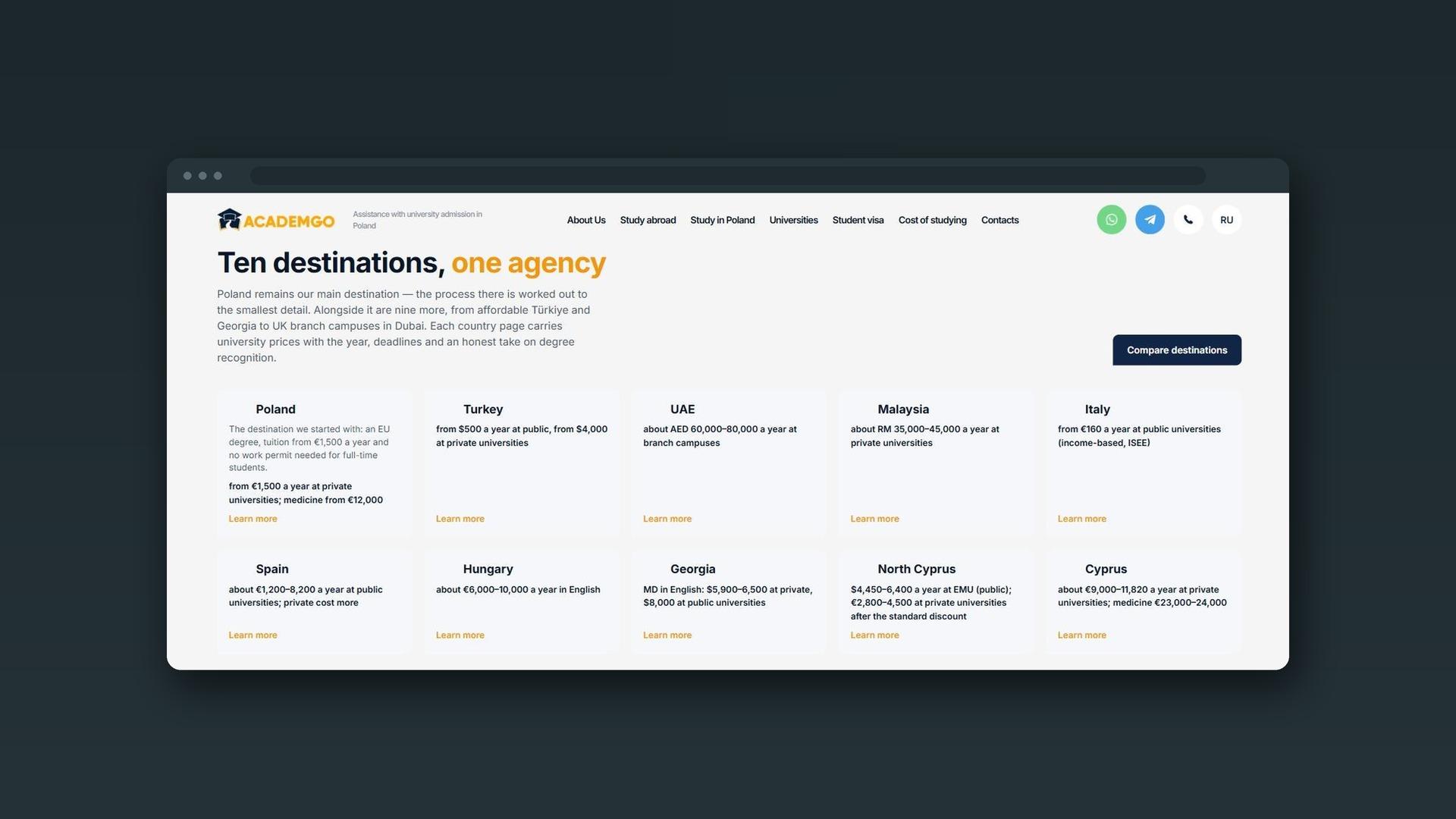
SEO case study: an education agency site, one country to ten
1 → 10 countries180 new pagesPerformance 61 → 91
Full Multilingual Website Development & SEO for Student Services
+5,930 clicks in 6 months359k impressionsTeam edits it
Auto Repair SEO & UX Boost
Performance 90++10% organic trafficLeads from forms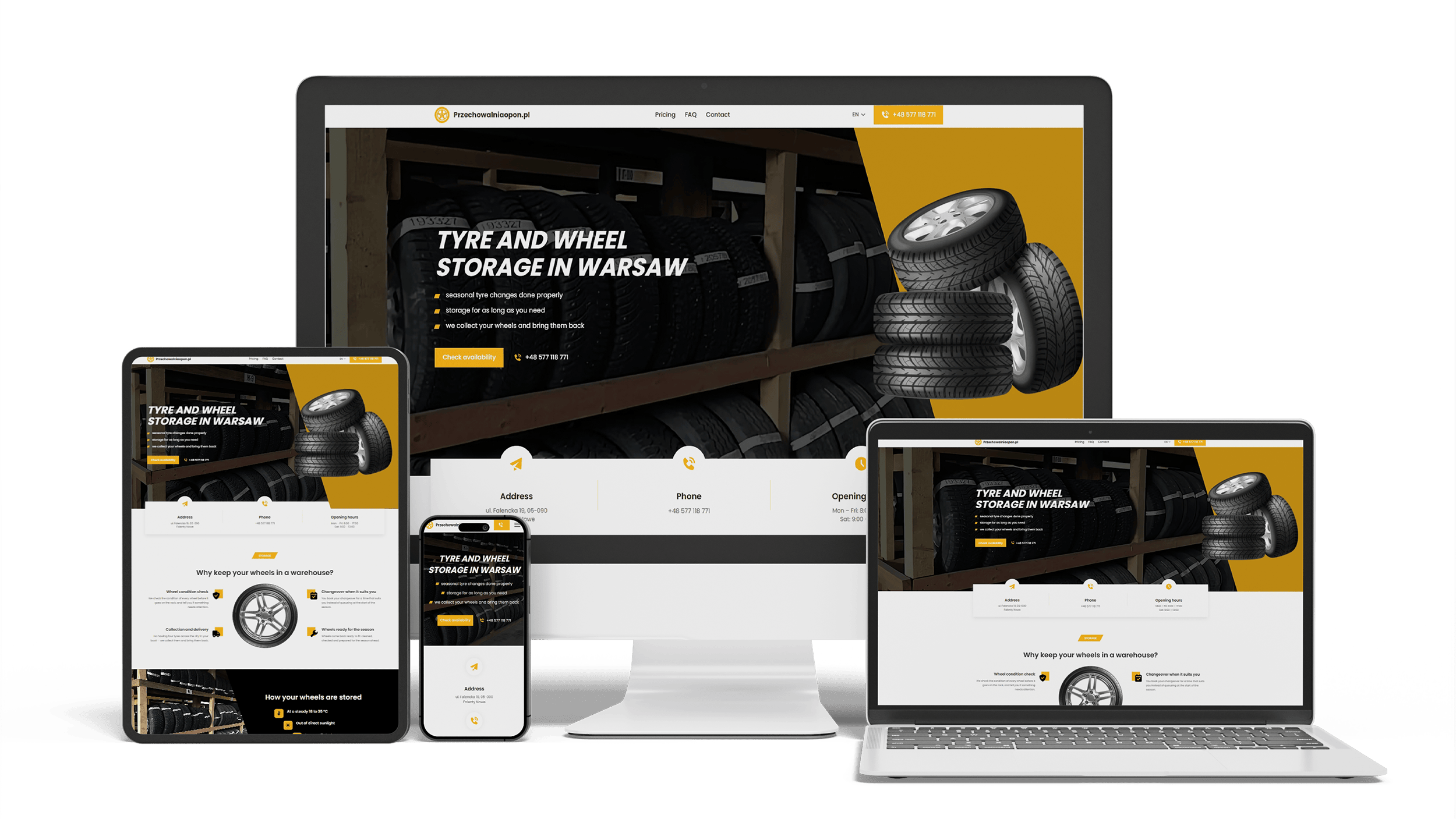
A multilingual landing page for a wheel and tyre storage business
100/95/100/1003 languagesClient edits it
Renovation and investment website with a premium feel and 96/98/100/100 performance
96/98/100/100Design system2 languages
I do SEO for daycares and preschools myself: audit, the fixes in the code and the text, and a monthly report on enquiries.
Almost every business I work with wants as many enquiries as it can handle. A nursery is the exception: the building holds a fixed number of children, the law sets how many of them can be in each age group, and the intake is seasonal. Success is not a larger number of visitors — it is four free places in the toddler group filled before September, and the parents of those four children living close enough to walk.
That changes what the work is for. The aim is to fill specific gaps, which means the site has to say which gaps exist, and it means the campaign has a natural end. If you are full across every group with a waiting list already, there is nothing for me to sell you that month, and I would rather say that than take a retainer for traffic you cannot use. What is worth doing in that situation is preparing for the next intake and keeping the waiting list growing.
Nobody types the name of your category and reads a list. A parent types what they need in the words their country uses — daycare, nursery, crèche, preschool, kindergarten, or the local term — and attaches either their district, their street, their child's age, or the hours they need. The searches that end in an enrolment look like a nursery near a named street, a place for a two-year-old starting in January, somewhere open from seven, somewhere with hot meals included.
Each of those is a page or a clear section, and the words have to match the market rather than the brochure. This matters more in childcare than in most trades, because the age bands are legally defined differently from country to country, and a parent searching for care for a child under three is often looking for a different kind of institution than one searching for a preschool. A site that calls everything «our programme» answers neither.
- a page or section per age group, with the hours and the ratio for that group;
- the area and the nearby streets named the way parents name them;
- the hours written as times, including the earliest drop-off and the latest pick-up;
- what the fee includes — meals, nappies, trips — and what costs extra;
- and the local term for your type of setting, not an internal label.
Publishing availability, which almost no nursery does and every parent wants
The single most useful sentence a nursery can put on its website is how many places are free, in which group, and from when. Parents are not browsing; they are trying to solve a date — a return to work, the end of parental leave, a move. A site that answers «two places in the toddler group from January, infant group full until September» converts the visit immediately, and a site that says only «contact us for availability» sends the parent to the next result.
The objection is that availability changes and the page would go stale. It does change, and keeping it current is a five-minute job that belongs to whoever answers the phone. A stale availability note is worse than none, so the honest version is a dated line — availability as of the first of the month — which is both true and far more useful than silence.
Waiting lists are an asset, not an apology
A full nursery usually treats being full as a reason to stop marketing, which gets it exactly backwards. The parent searching today for a place next autumn is the easiest enrolment you will ever make, and they are often pregnant or on leave, deciding a year out. A waiting-list page that explains how the list works, where it currently stands and what happens when a place comes up collects those parents instead of losing them to whoever had a free place this week.
It also protects the intake. A nursery with forty names on a list does not have to discount in August, and it can plan staffing on something firmer than hope.
Childcare is the one service where the buyer verifies you before making contact. Parents look for the register entry, the inspection outcome, the staff qualifications, the ratios, the safeguarding policy and the insurance, and they look for them off your site as well as on it. A nursery that publishes its registration number, its most recent inspection result and its staff qualifications plainly is both easier to trust and easier to find, because those are pages with facts on them rather than adjectives.
One thing to keep off the site entirely: claims about what the setting will do to a child's development, reading age or future schooling. They cannot be substantiated, they read as sales copy to exactly the parent you want, and in several markets they attract regulatory attention. Describe the day, the staff, the room and the food, and let the parent draw the conclusion.
Where you want to be found by district, the groundwork is on the local SEO page. What the site itself should contain — age-group pages, enrolment enquiries that capture the start date, photographs of the rooms — is on the daycare website design page, and if you want to know what is wrong before committing to anything, that is the SEO audit.
For a search made within walking distance, the map results are the whole shortlist: three settings, their ratings, their photographs, their hours. A nursery with current photographs of the rooms and the garden, correct hours including the weeks you close, and replies to reviews in the voice of the director will take calls from one that has none of these, whatever the quality of the care.
This is also the fastest-moving part of the work. The profile tends to respond within weeks, while age-group pages take longer to mature, which is why I usually start there when a setting has places to fill in the current term rather than the next one.
An SEO audit for your daycare or nursery
Send the site and I reply within one working day: what is holding it back and what I would do first.
Being named when a parent asks ChatGPT for a nursery (GEO, AEO)
«Is there a nursery near me with a free place for a two-year-old in January, open from seven» is a question parents now put to an assistant instead of opening six tabs, and it suits this sector unusually well, because the parent is asking about availability, hours and age — all facts, all checkable. The assistant answers from text it can read, so the same things decide whether a setting is named: age groups and hours written as text, fees or a monthly figure it can quote, availability that is current, and the same name, address and hours across the site, the Google profile and the local directories.
Getting an existing site into a readable state is preparing a site for AI search, and if assistants describe the setting wrongly — hours you changed, an age group you no longer take, a second location you closed — that is fixing AI misinformation.
SEO for daycares and nurseries: frequently asked questions
Order an SEO audit for a daycare or nursery: what to send me
Send the site, say which age groups have places free and from when, and tell me which intake you are trying to fill. I reply within one working day with what is holding the site back, what your Google profile is missing, and what I would do first — and if you are full with a waiting list, I will say that the only work worth paying for is preparing the next intake.
