


SEO for Solar Companies and Solar Installers
I do SEO for solar companies: pages for residential and commercial solar, battery storage and service work, area pages by town and utility, incentive pages kept current, a savings calculator and AI answers, measured in qualified quote requests rather than traffic.
- Product, area and incentive pages
- Audit from 250 €
- Reply within one business day
What you get with SEO for solar companies
- Search data for each buying stageCost, payback, installers, products, reviews
- Service-area pages by town and utilityOnly where you have installs to show
- Incentive pages that stay accurateTax credits and net metering, dated and sourced
- A savings calculator buyers can trustAssumptions written next to the result
- Answers to “is this company legit”Licenses, warranties and reviews as plain text
- Named in ChatGPT and AI OverviewsFacts assistants can check and repeat
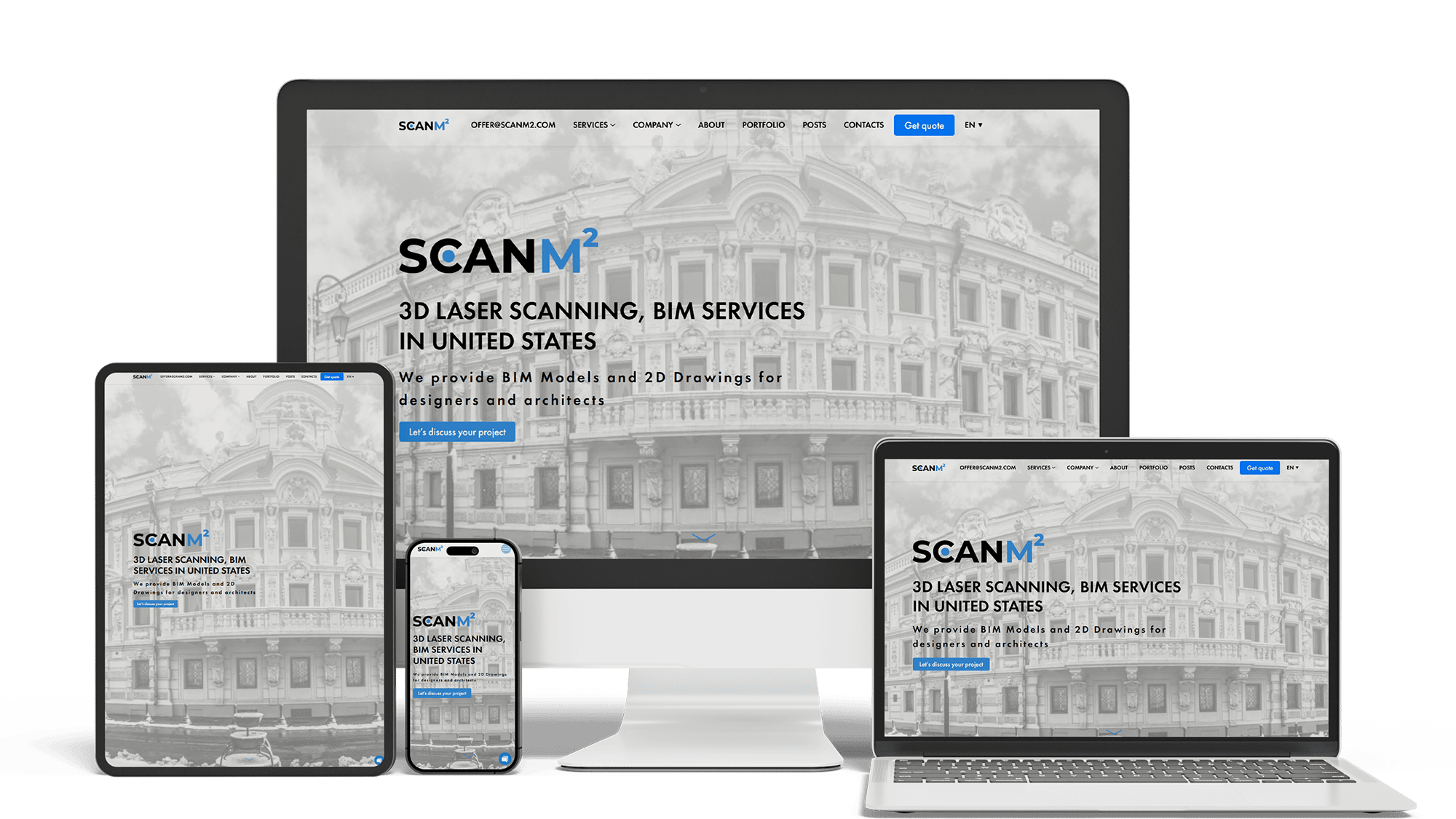
Architecture Website Rebuild and SEO
29× organic trafficLoads in under 1 sTop 3 in Poland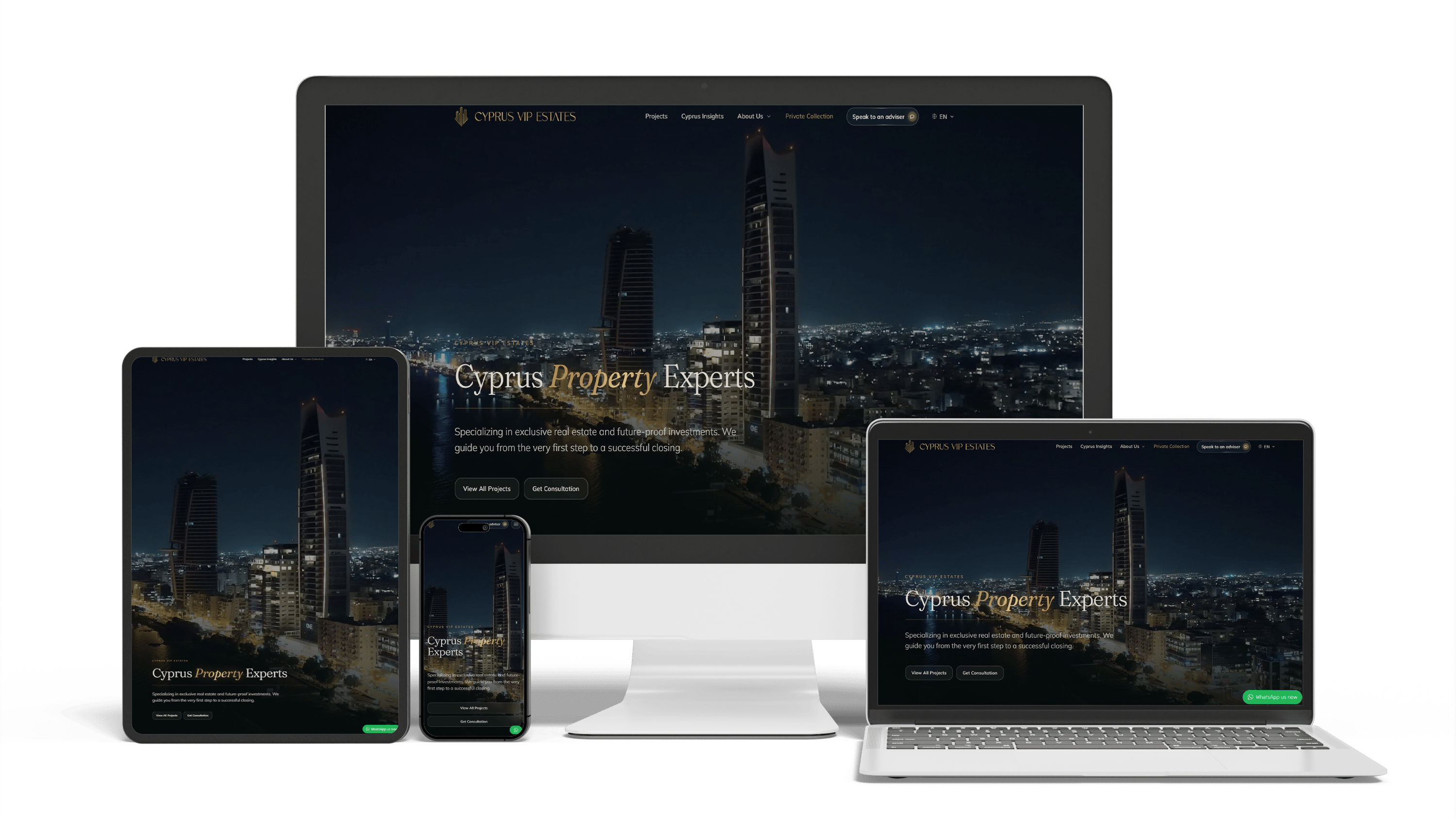
Multilingual real estate platform in Cyprus: SEO and GEO without bought links
16× faster editingTraffic from ChatGPTLeads via WhatsApp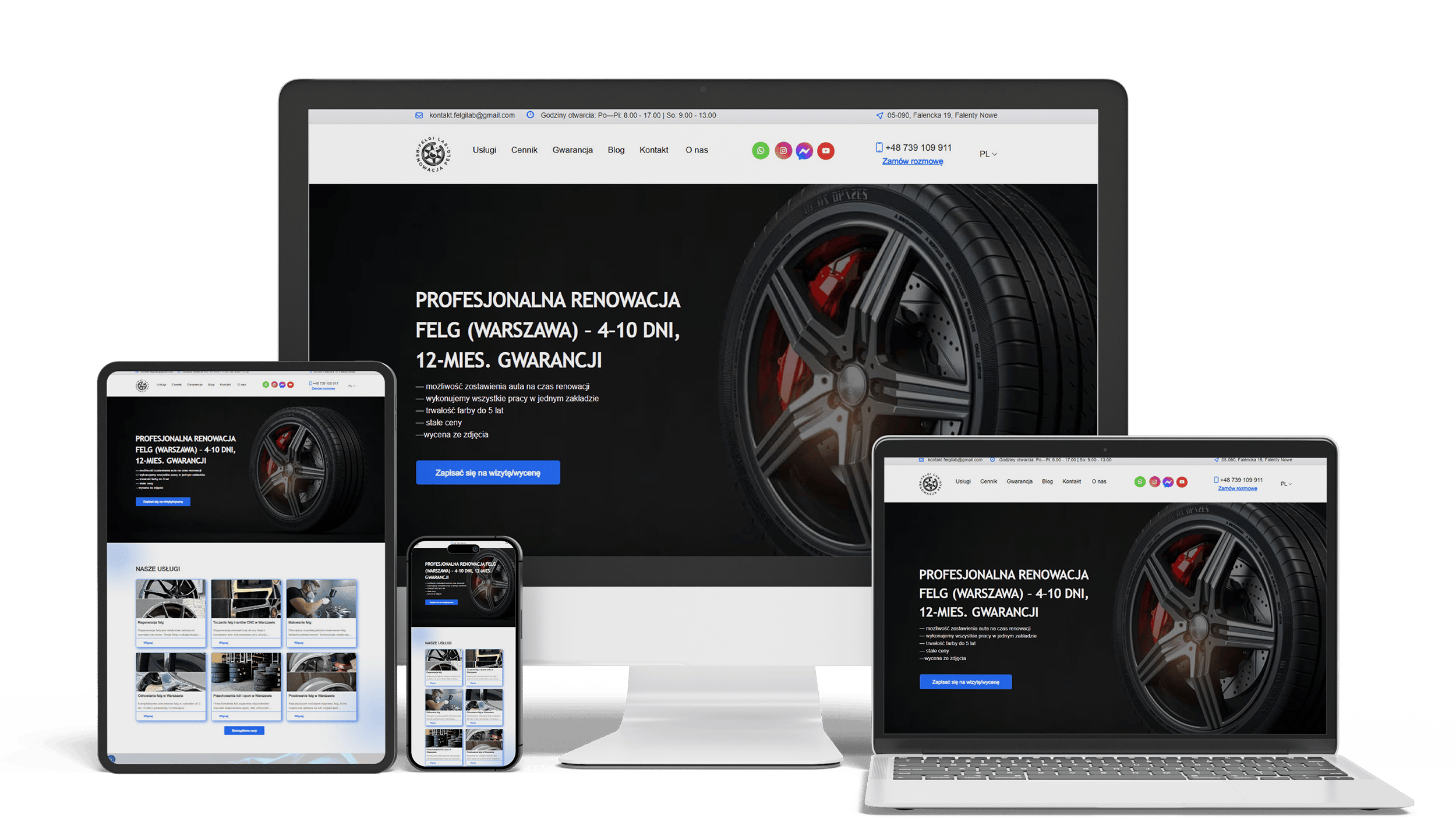
Auto Repair SEO & UX Boost
Performance 90++10% organic trafficLeads from forms
Full Multilingual Website Development & SEO for Student Services
+5,930 clicks in 6 months359k impressionsTeam edits it
A consultant website for a retail analytics expert
100/100/100/100153 pages3 languages
Get a quote for SEO for your solar company
Within one business day you get the three things I would change first on your site and profile, with a fixed price for them.
I do SEO for solar companies: the work that puts an installer in front of homeowners and business owners while they research panels, batteries and incentives, and again when they compare who should do the install. Buyers spend weeks or months on cost, payback, roof suitability, financing and trust, and each step starts with a search; when your pages answer them, the buyer reaches your quote form already knowing your name. I work alone: the audit, the new pages and the code changes are mine, with no account manager passing messages.
Solar searches follow the buying process, and the research shows which stage your site is missing:
- research and cost — “solar panel cost [state]”, “is solar worth it in Ohio”, “how long do solar panels take to pay off”
- the installer — “solar installers near me”, “solar company [town]”, “best solar company in [city]”
- products and jobs — “solar battery storage installation”, “commercial solar installer”, “solar panel repair near me”
- checks — “[company] reviews”, “is [company] legit”, “solar complaints [state]”
Before any page is written I pull the volumes for your states and towns and look at who holds the first page now: other installers, national solar brands, quote marketplaces and lead sites dressed up as neutral guides. A ready-made list of “SEO keywords for solar” helps little: the same phrase needs a different answer in Arizona than in New Jersey, because rates, rules and roofs differ.
One “Solar” page cannot rank for everything an installer sells. Each line of work has its own buyer and its own questions, so each gets a page:
- residential solar — roof and ground mounts, the steps from site survey to permission to operate, what moves the price
- commercial solar — rooftop, carport and ground arrays for an owner or finance manager who wants production and payback in writing
- battery storage and backup power — whole-home or partial backup, or a battery added to an existing system
- EV chargers, panel cleaning, repairs, monitoring faults, and removal and reinstall for a new roof
Service pages are often forgotten, yet owners whose installer has closed search for exactly this and later buy batteries. If solar is one part of a wider business, the neighboring pages go deeper: roofing SEO for re-roof work, HVAC SEO for heat pumps, SEO for electricians for panel upgrades, and SEO for construction companies for general builders.
Solar installers travel to the customer, so Google treats them as service-area businesses: the Business Profile shows the area you cover, not a showroom address. Buyers rarely pick an installer straight from the map, but they open the profile to read the reviews before filling in a form.
For area pages, solar has a detail most trades lack: the utility. Two neighboring towns served by different utilities can have different rates, interconnection steps and export credit rules, and that is what buyers ask about. An area page earns its place when it has:
- installs you have done there, with photos and system sizes
- the utility, and how its interconnection and approval work in general terms, with a link to the utility’s own pages
- permit and HOA notes from jobs in that town
- reviews from customers who live there
A town with nothing to show stays on the general list until you install there. The profile side — categories, service area, photos, review requests — is covered on the local SEO services page.
Incentives drive more solar searches than any other topic: “solar tax credit”, “solar rebates [state]”, “net metering [utility]”. They are also the part of a solar site that ages fastest: federal credits, state rebates and utility export rules change, sometimes at short notice, and people keep searching for a program long after it has changed or ended. A page that gives the current status in plain words wins that search; a page still promising last year’s credit loses the visitor’s trust in everything else you wrote.
So incentive content lives on a few permanent pages, not in a new blog post every year:
- one page per program or rule, updated in place, with a “last checked” date at the top
- links to the official source — the tax authority, the state energy office, the utility tariff
- who qualifies, in general terms: buying with cash, a loan, a lease or a PPA is treated differently
- no incentive folded into a headline price, and no “free solar” wording anywhere
“How much will solar save me” sits behind most solar searches, and a calculator answers it on your site instead of a marketplace’s. It helps search and sales only when the method is visible:
- inputs the visitor knows — monthly bill, ZIP code or utility, roof direction and shade
- assumptions written next to the result: electricity price and how it may change, panel output loss over the years, which incentive status was used
- a range rather than one exact figure, with a line saying the site survey sets the real numbers
- the method explained in text on the page, because Google and AI assistants read words, not a script
The result leads to the quote form with the inputs filled in, so the first call starts from the buyer’s numbers.
Buyers want to see a system like the one they are weighing, on a house like theirs. A case page per install answers that and supports a town page and a product page:
- the roof — tile, shingle, metal or flat, orientation, shade
- system size in kW, panel model and count, inverter type, battery if any
- the time from signed contract to permission to operate
- production from the monitoring app and bill changes, only when the owner agrees to share them
Each case goes live only with the customer’s consent, without the street address. Stock photos prove nothing; one documented install a few streets away does.
Every installer inherits the industry’s reputation for pushy door-to-door sales and companies that vanished after the install. Buyers search with that in mind — “is [company] legit”, “[company] complaints”, “solar scams [state]” — so the results for your name are part of your sales process. What helps:
- license numbers, insurance and certifications written as text, with where to verify them
- warranties set out one by one: panel and inverter product warranties, the production warranty and your own workmanship warranty
- a review request once the system is switched on, and factual replies to bad reviews
- sales pages that show how a quote is prepared, with no countdown offers or pressure to sign at the first meeting
Many solar sites are a single landing page made for paid traffic, with nothing for search to read, or a template that crawls on a phone. When SEO needs pages the site cannot hold, the site is rebuilt first. A solar website that works for search has:
- its own page for each product, area and case, with text the team can edit
- a short quote form with qualifying questions — own or rent, roof age, average bill, utility
- fast mobile pages, with structured data built in
A site like this costs 700–1,400 €, and a full site with a case library and a calculator starts from 2,000 €; design is included in both. How I build them is on the website development page.
Solar buyers ask AI assistants what they would type into Google, only longer: “which solar installers in Tucson have the best reviews”, “is [company] legit”, “is a battery worth it if my utility pays less for exported power”. ChatGPT, Perplexity and Google’s AI Overviews reply with a few names and the reasons for each. The trade names for working on those replies are GEO (generative engine optimization) and AEO (answer engine optimization); for an installer they mean:
- service area, products, years installing, licenses and warranties stated as plain sentences
- dated answers to cost, payback and incentive questions on your own pages
- structured data for the business, its services and the areas it covers
- the same name and details on your site, Google, review sites and solar quote marketplaces
I record what assistants say about you, and whom they suggest instead, before the work and again months later. More on the AI SEO and GEO optimization page.
Visits from students reading how photovoltaic cells work pay for nothing. Reports count qualified quote requests: an owner, inside your service area, with a roof or site that can take a system. Every form and call carries its source page into your CRM, so you see which product pages, towns and cases bring requests and, where the CRM records it, which became signed contracts. Rankings stay in the report as the explanation, not the result.
- Solar SEO audit — website, Google profile, results for your name and AI answers: from 250 €, one-off, with fixes ranked by impact.
- One-off work — product, area and incentive pages, case page templates, calculator text, structured data: 250–700 €.
- Monthly SEO for a solar company — new pages, incentive updates, reviews, AI visibility and reports: from 800 € per month; for US installers in competitive states and metros from 1,300 €.
First results usually show after about 1.5 months, and steady growth in 3–6 months. All prices are on the pricing page.
SEO for solar companies: frequently asked questions
Order SEO for your solar company: what to send me
Send your website and Google profile links, the states and towns you install in, the utilities there, which jobs you want more of — residential, commercial, batteries, service — and where appointments come from today. In return you get the first steps I would take and a fixed price. Use the form above or write on WhatsApp.
