


Websites for Plumbers
I build websites for plumbers and plumbing companies — your own business site, not a directory listing: a 24/7 emergency path to your phone, a page for each service and town, booking through ServiceTitan, Housecall Pro or Jobber, and code you own.
- Design + build, one price
- From 700 €
- Reply within one business day
What you get with a website for your plumbing business
- An emergency path to your phoneBurst pipe and no-hot-water pages that end in a call
- A page for each plumbing serviceDrains, water heaters, sewer lines, repiping, leaks
- Pages for the towns your vans reachBuilt from one template, a new town in minutes
- Booking that lands on the dispatch boardServiceTitan, Housecall Pro, Jobber or email
- Loads fast on one bar of signalPhone number first, widgets after, under 2.5 s
- The site belongs to youCode, content and domain; no platform fee
Auto Repair SEO & UX Boost
Performance 90++10% organic trafficLeads from forms
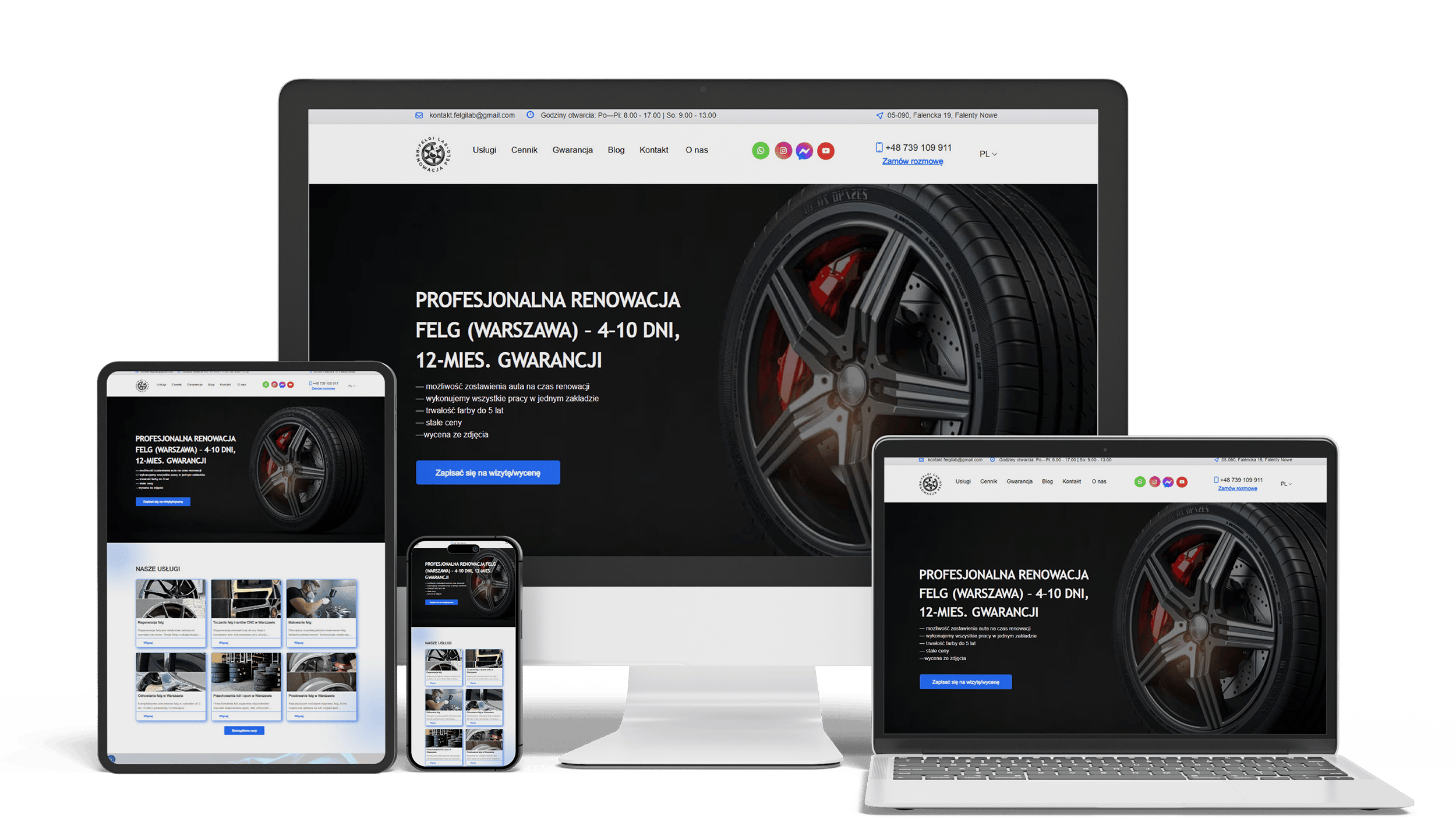
Full WordPress Rebuild for a Car Rim Restoration Company
92/91/96/100Photo quote formLocalBusiness markup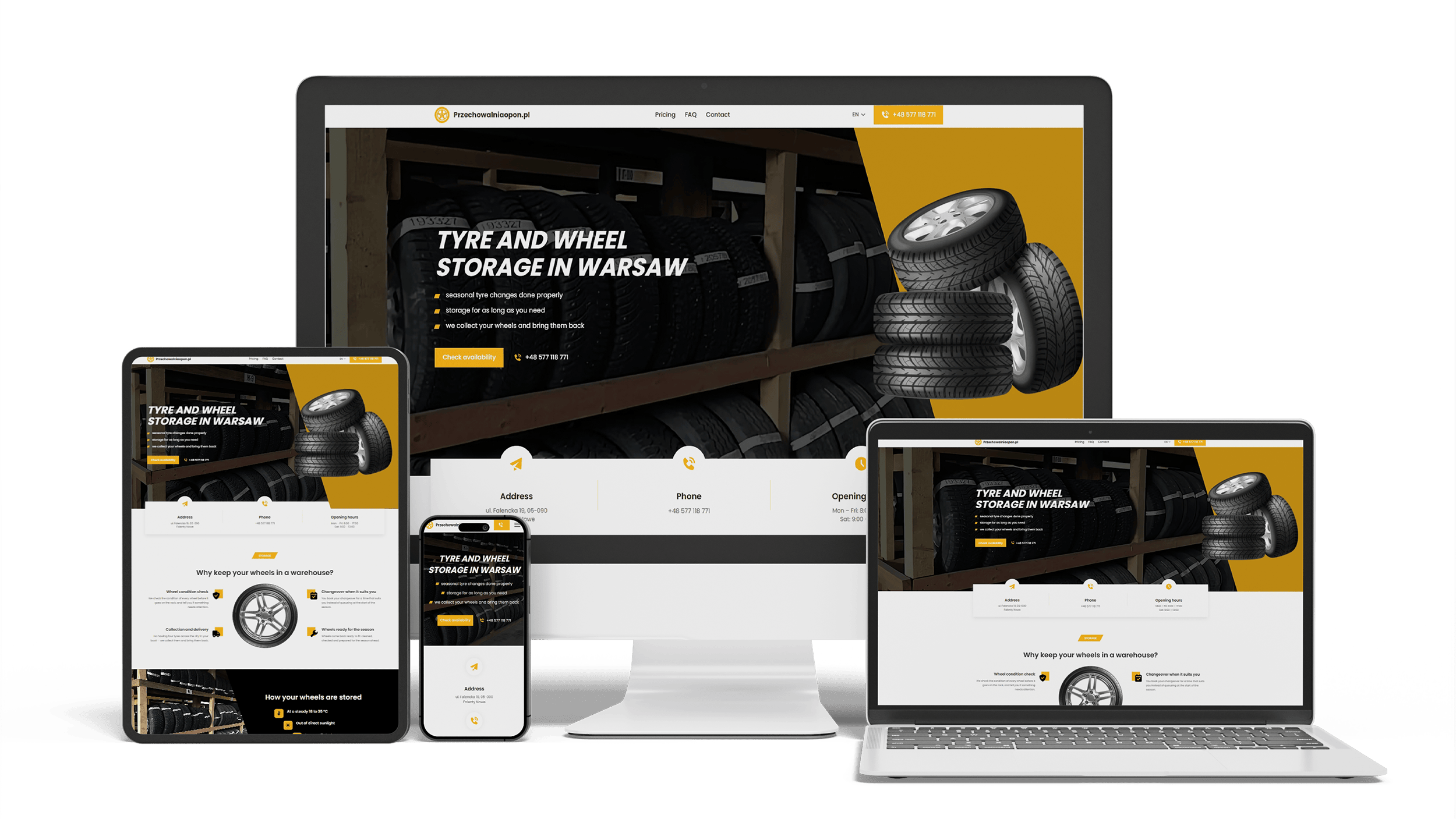
A multilingual landing page for a wheel and tyre storage business
100/95/100/1003 languagesClient edits it
Renovation and investment website with a premium feel and 96/98/100/100 performance
96/98/100/100Design system2 languages
Full Multilingual Website Development & SEO for Student Services
+5,930 clicks in 6 months359k impressionsTeam edits it
Get a quote for your plumbing website
I reply within one business day with a list of pages for your services and towns, and a fixed price.
I build websites for plumbers and plumbing companies: a site for your own business that rings your phone when a pipe bursts and fills the rest of the week with water heater swaps, drain jobs and repipes. I plan, design, build and launch it, connected to the software you dispatch from, and the site is yours when it is done. This page is about how the site is built; how it looks to a customer standing in water is on the plumbing website design page.
A plumbing business gets two kinds of work through its website, and they behave differently. Emergency calls — a burst pipe, a backed-up toilet, no hot water before work — come from someone who will phone the first plumber who looks available and close. Planned jobs — a new water heater, a whole-house repipe, a sewer line replacement — come from someone who reads, compares two or three companies and wants an idea of the price before calling.
A website for plumbers is built for both at once:
- a short, fast path from any page to a phone call for emergencies
- a page for every service you sell, with enough detail for the person who is comparing
- a page for every town or suburb you send vans to
- online booking for jobs that can wait a day, linked to the software your office already uses
Emergency searches are short: “emergency plumber”, “burst pipe”, “water heater leaking”, “sewer backup”. Each of these gets its own page that tells the visitor what to do in the next five minutes — where the main shut-off valve usually is, when to turn off the water heater, what not to flush — and then gives the number. Someone who has just stopped the water with your page’s help is very likely to call you.
Behind those pages the build takes care of the details that decide whether the call reaches a person:
- the phone number is a tap-to-call link on every page, written the same way as in your Google Business Profile
- after-hours calls go to the on-call plumber or an answering service, and the site says plainly which hours are covered
- opening hours, including 24/7 if you offer it, are in structured data, so Google shows them correctly
- website visitors see a tracking number, so you know how many emergency calls the site brings, while Google keeps seeing your main number
A single “Services” page with fifteen bullet points cannot be found for any of them. On plumbing websites that bring steady work, each service you want more of has its own page:
- Drain cleaning — clogs, hydro jetting, camera inspection
- Water heaters — repair, replacement, tankless installation, the brands you service and how fast you can swap a failed unit
- Sewer line — camera inspection, repair, trenchless replacement where you offer it
- Repiping — galvanised or polybutylene pipes, how long a whole-house repipe takes, whether the family can stay at home
- Leak detection — slab leaks and hidden leaks behind walls, found without opening the whole floor
Each page answers the questions your dispatcher hears every day, shows jobs of that type and ends in the same two actions: call or book. Commercial work — restaurants, property managers, backflow testing — gets its own section, so a homeowner with a dripping tap does not land on a grease trap page.
People search “plumber” plus a town or suburb, and Google prefers a page about that place. A service-area page is not the same text with the town name swapped — that gets ignored. Each one carries something real about the area: the typical housing and its pipes (older homes with cast-iron drains, new builds with PEX), jobs done there, how quickly a van usually gets there, hard water if it shapes your water heater work, and the permits or inspections the city or county asks for.
Area pages are generated from one template and a short entry per town, so when you hire another plumber and start covering a new suburb, adding it takes minutes, not a new project.
Most plumbing companies already run their jobs in field-service software. ServiceTitan, Housecall Pro and Jobber each offer an online booking tool or request form that can sit on your website, so a booked job lands on the dispatch board rather than in someone’s inbox. The build connects it properly:
- the booking widget loads only on the pages that need it, so it does not slow the whole site
- where the tool allows it, the service the visitor came from is passed into the booking, so the dispatcher sees “water heater replacement” rather than “general enquiry”
- each completed booking is recorded as a conversion in analytics and Google Ads
- without any of these tools, requests arrive by email or in a shared Google Sheet
Emergencies are kept out of online booking. A burst pipe should never be offered a slot two days away, so emergency pages lead to the phone only.
Customers want to know whether a job costs a hundred or a few thousand before they call. Plumbers who work on flat-rate pricing can show a starting price per job; others can show ranges — drain clearing, water heater replacement, whole-house repipe — with what pushes the price up. Even a range filters out calls that would never turn into jobs.
For larger jobs, a financing page explains the monthly payment option you offer through your financing partner and links to its application. Maintenance plans — a yearly water heater flush, a drain check, priority service — get a page of their own: they bring repeat work.
Emergency visitors open your site on a phone, sometimes in a basement with one bar of signal. Pages are built to appear in under 2.5 seconds — the threshold Google uses for a good page load — and the phone number and call link are in the first part of the page to load, before photos and scripts. Chat, review and booking widgets are loaded only when the visitor scrolls or taps.
Hosting includes SSL, daily backups and spam filtering on forms. There is no monthly retainer; changes after launch are paid as work done.
Plumbing website builders — general ones, and the sites bundled with marketing platforms and field-service software — put a page online in a day for a monthly fee. For a solo plumber in one town who gets most work by word of mouth, that is often enough.
The problems appear when the business grows:
- the template has one services page and no real way to add a page per service and per town
- the content sits inside someone else’s account, and leaving the platform usually means starting again
- pages slow down as the platform adds its own scripts
- the monthly fee continues for as long as the site exists
A website you own is paid for once, grows with the business and moves with you to any host.
- Brief. You send the services you want more of, the towns you cover, your hours, your software and the questions your dispatcher answers most.
- Structure. I propose the list of pages — emergency, services, areas, prices, financing — and the path from each one to a call or a booking.
- Design and build. Pages are designed on a phone first, then built and filled with your content.
- Connections. Booking, forms, call tracking, analytics and your Google Business Profile are connected and tested with real calls and bookings.
- Launch and hand-over. You get access to everything and a short guide to adding jobs and changing prices.
If you already have a website, every old address is mapped to its new page and redirected before launch, and the titles and structured data that already rank are carried over. The process is described on the website redesign page.
Lists of the best plumbing websites usually pick sites by looks. Seen from the build side, the ones that bring steady work share a few plain decisions:
- a separate page for each emergency, each service and each area, not one long list
- a phone link that works on every page and loads first
- booking connected to the dispatch software, not to an inbox nobody checks at weekends
- prices or price ranges wherever the business can give them
- a site the owner controls, so it can change when the business changes
People now ask ChatGPT, Perplexity or Google’s AI Overviews things like “who can fix a slab leak near me” or “how much does a tankless water heater cost to install”. An assistant can only recommend or quote what it can read and check, so the site is built to hand it clear facts:
- services, service areas, hours, license number and insurance written as text, not only inside images or badges
- structured data for the plumbing business, each service and the areas it serves
- answers to cost and how-to questions on the service pages, in plain sentences
- the same name, address and phone as in your Google Business Profile and the directories you are listed in
Getting into those answers is ongoing work, described on the AI SEO and GEO optimization page.
Ranking in Google search and the map results is covered on the SEO for plumbers and local SEO for plumbers pages.
- A simple plumbing website — home, emergency page, main services, areas, call and request form: 700–1,400 €.
- A plumbing website with a page for each service and area, emergency pages, price and financing pages, booking through your field-service software and local search optimization: from 2,000 €.
Design is included in both. If you run a business that does more than plumbing, see the websites for contractors and contractor website design pages. Full price ranges are on the pricing page.
Websites for plumbers: frequently asked questions
Order a website for your plumbing business: what to send me
Send the business name, a link to your current website or Google profile, the services you want more of, the towns you cover, your hours and the software you use for dispatch. Your prices, if you work flat-rate, help me plan the price pages. I will reply with a list of pages and a fixed price. Use the form above or write on WhatsApp.