


Local SEO for Small Business
I do local SEO for small business owners: the Google Business Profile, reviews, listings and location pages that put a shop, an office or a service-area business into Google Maps when people nearby search for what it offers.
- Google Maps + reviews
- Audit from 250 €
- Reply within one business day
What you get with local SEO services for small business
- A Google Business Profile set up to rankCategories, services, hours, photos, the right link
- A review routine your staff can keepA short link or QR code, every review answered
- Listings on Yelp, BBB, Apple and BingOne name, address and phone in every directory
- Location and service pagesPages that confirm what the profile says
- Named in local AI answersChatGPT and AI Overviews read the same sources
- Calls and directions from the map, countedProfile results separated from the rest
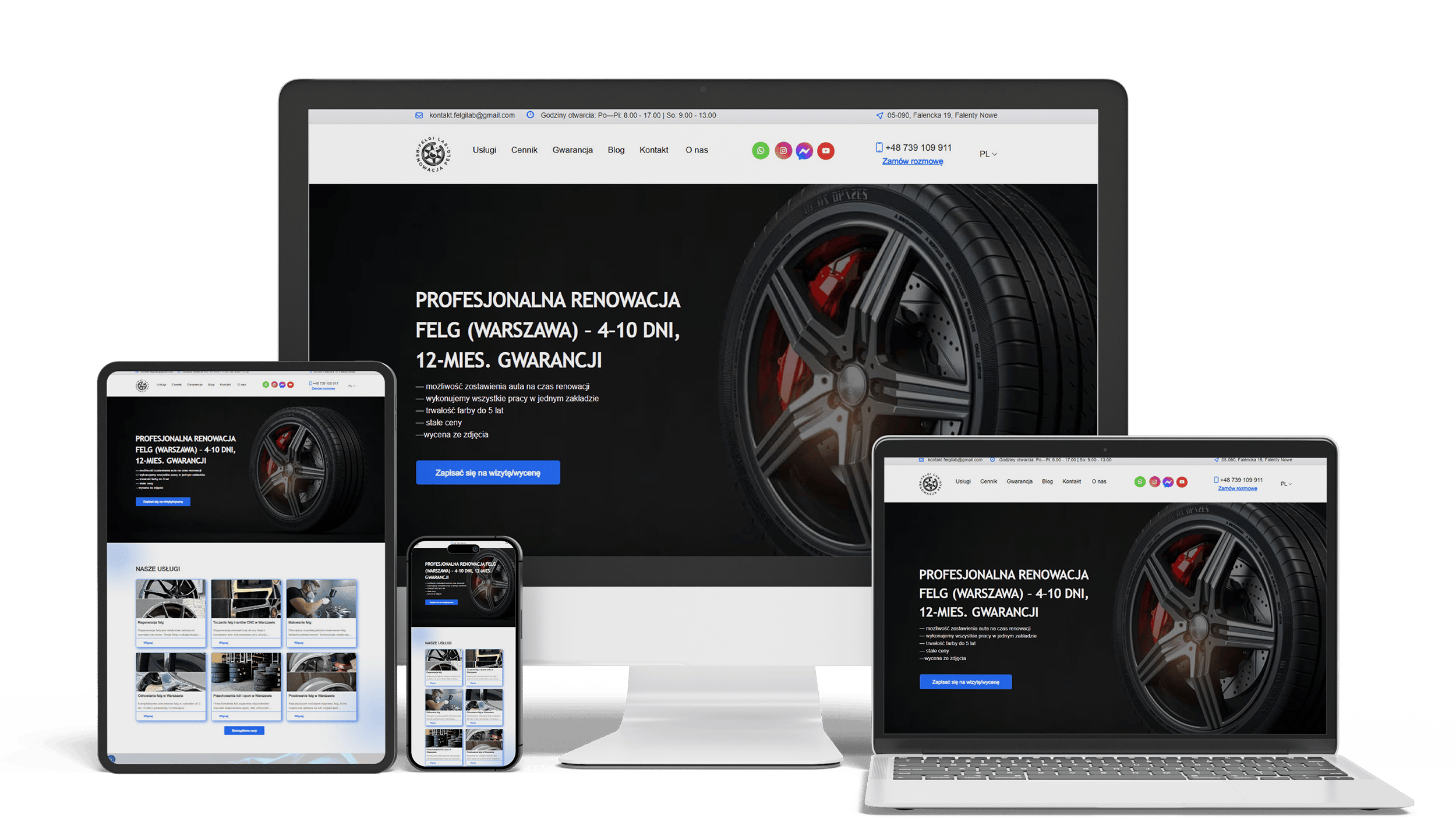
Auto Repair SEO & UX Boost
Performance 90++10% organic trafficLeads from forms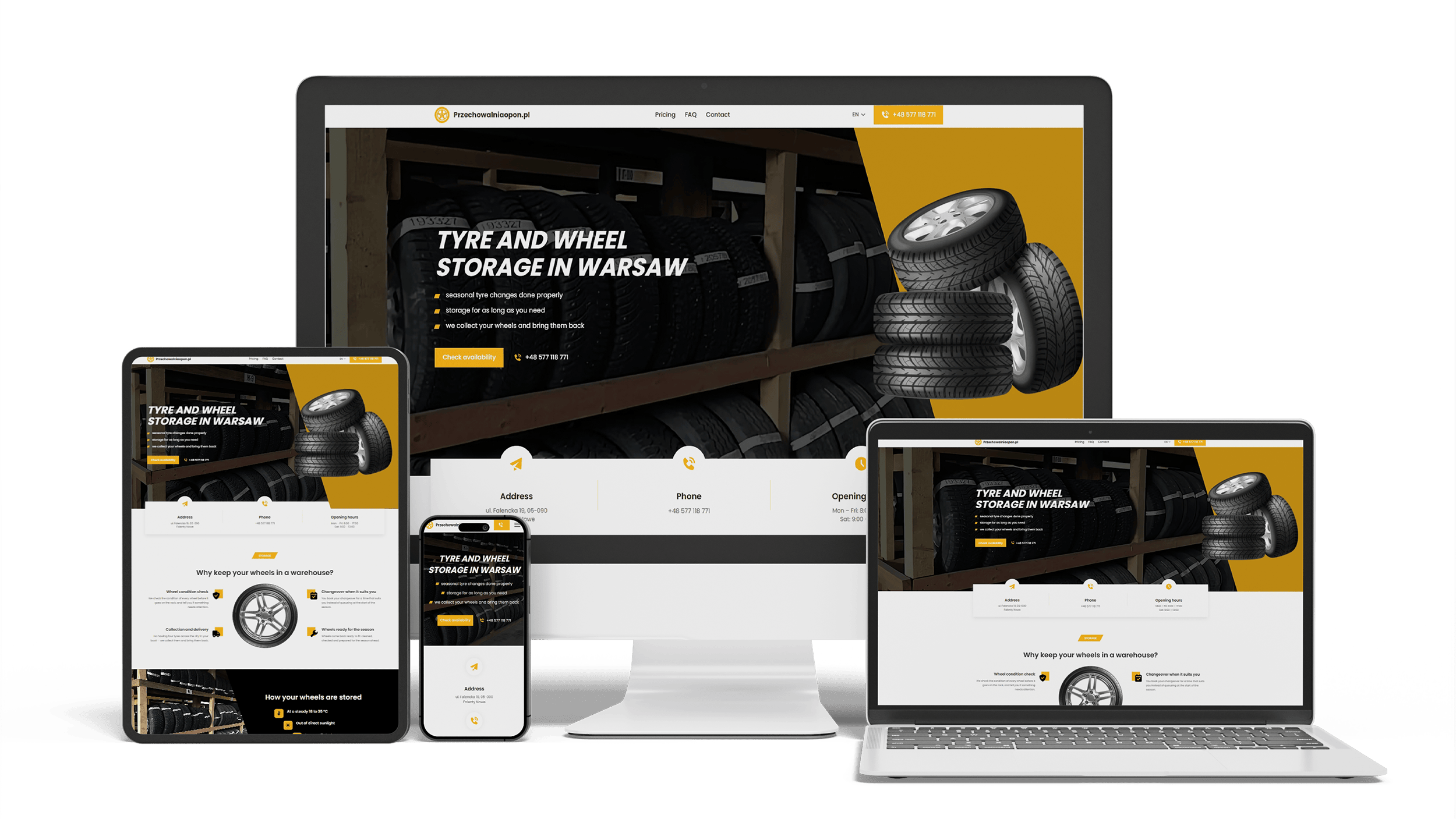
A multilingual landing page for a wheel and tyre storage business
100/95/100/1003 languagesClient edits it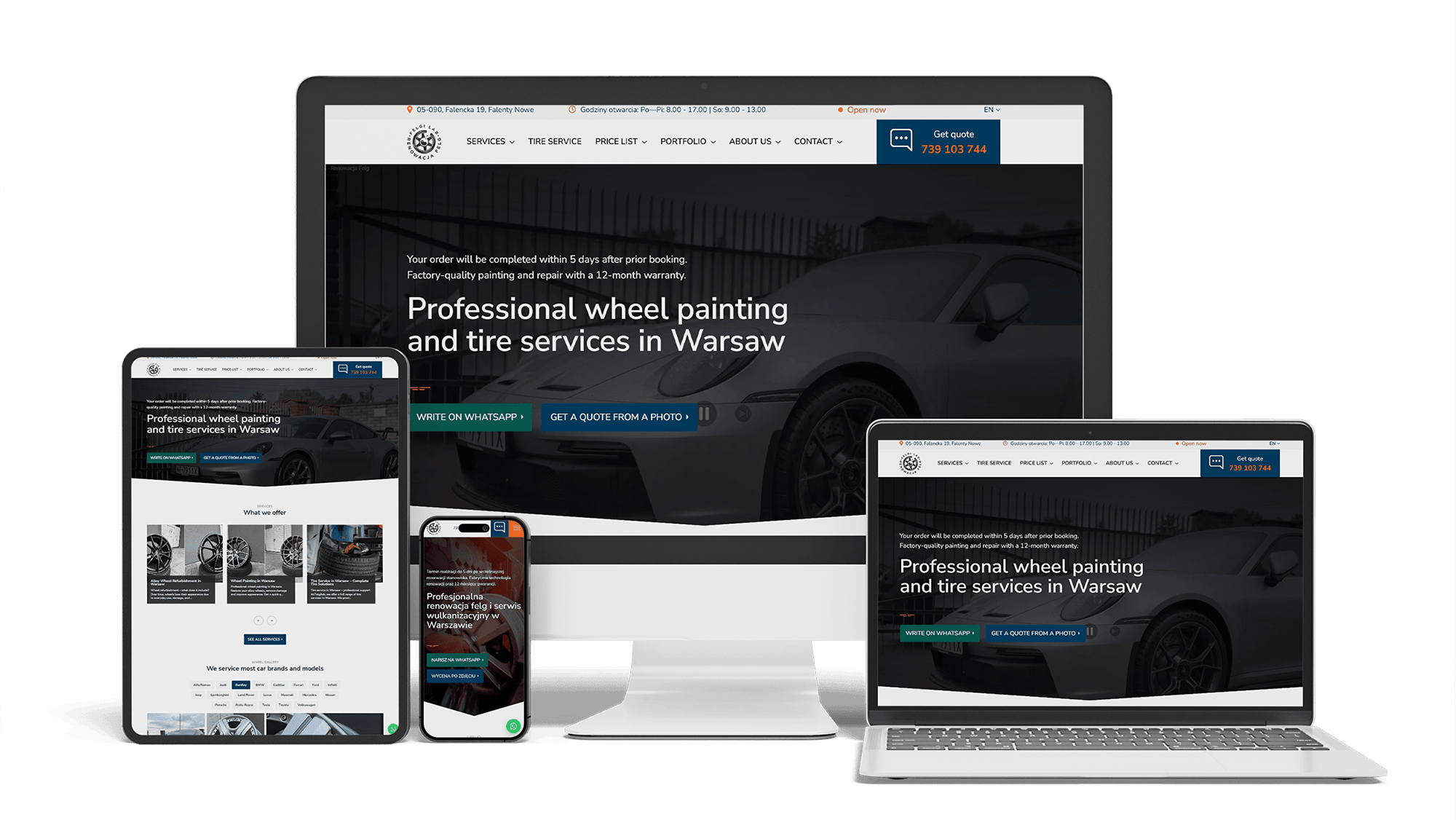
Full WordPress Rebuild for a Car Rim Restoration Company
92/91/96/100Photo quote formLocalBusiness markup
Renovation and investment website with a premium feel and 96/98/100/100 performance
96/98/100/100Design system2 languages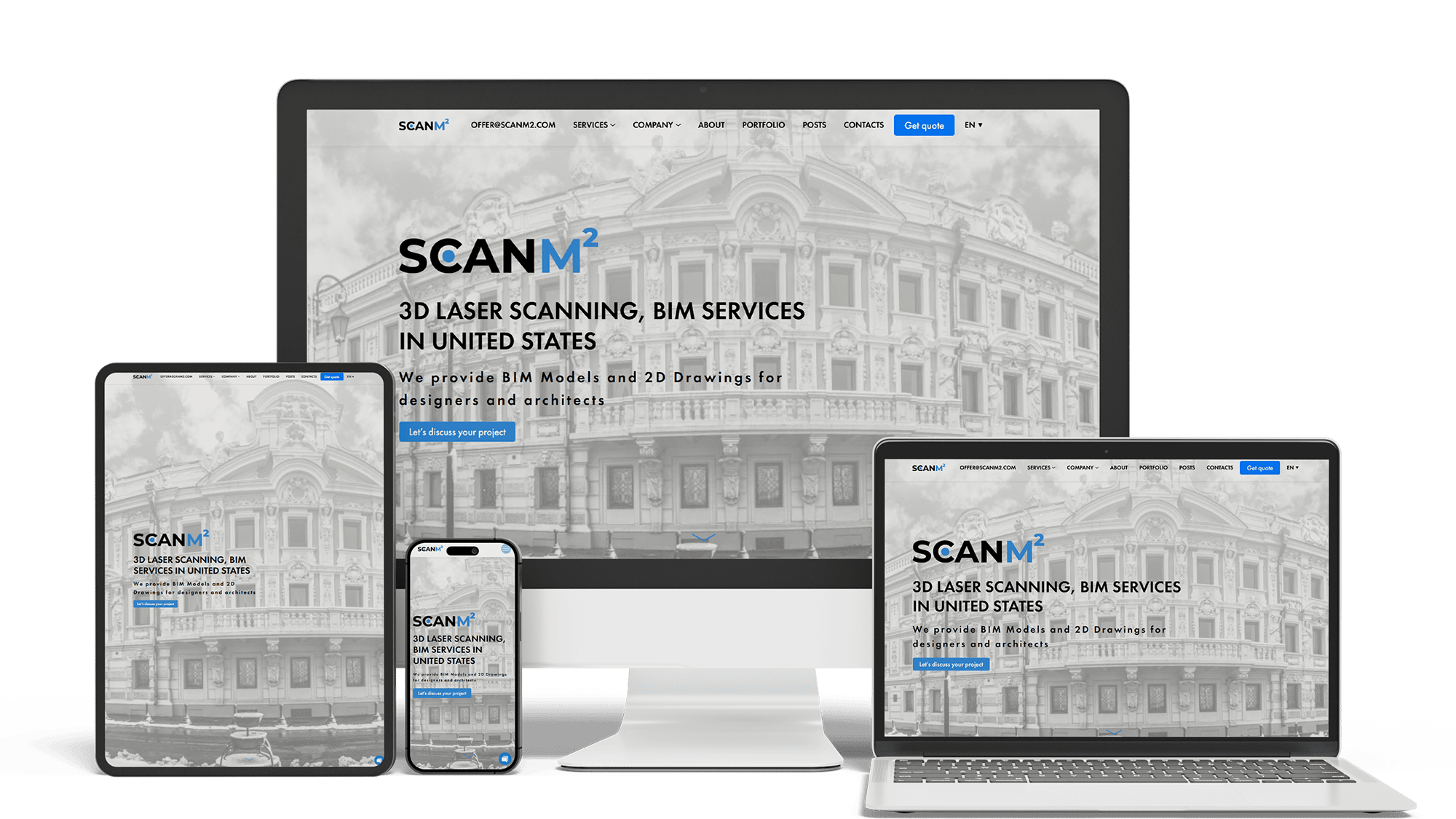
Architecture Website Rebuild and SEO
29× organic trafficLoads in under 1 sTop 3 in Poland
Get a quote for local SEO for your small business
I reply within one business day with what I would change first in your Google profile and listings, and a fixed price.
Local SEO for small business is the work that gets a shop, an office or a business that travels to its customers into Google Maps and the three map results when people nearby search for what it offers. I do it myself — the Google Business Profile, reviews, listings and the location pages on your website — so you get the map side handled without learning every Google Maps rule yourself.
For searches with local intent — “dry cleaner”, “bike repair near me”, “accountant in [town]” — Google shows a map with three businesses above the regular results. On a phone those three fill most of the screen and carry a call button, directions and a star rating. A small business outside them stays unseen by most people searching nearby, however good its website is.
Google picks the three by how well a business matches the search, how near it is to the person searching, and how well known it is through reviews, mentions and links. Where your customer stands is fixed; everything else can be worked on.
The profile is the center of local SEO for a small business. The parts that carry the most weight:
- the primary category — the most specific one that describes your main service, such as “Bakery” rather than “Food”, plus secondary categories only for things you really do
- services or products listed one by one, each with a short description
- regular hours, and special hours set before every public holiday
- photos of the entrance, the inside, the team and finished work, added every few weeks
- a description of what you do, where and for whom, without a list of keywords
- the website link pointing to the page that matches the profile, plus booking or menu links where they apply
- attributes such as wheelchair access, payment methods or online appointments
New profiles, and profiles with changed details, may need verification by video of the premises and signage. Plan for it before changing an address or a name.
Google treats a business differently depending on where it serves customers.
- Storefront: customers come to you. The address is shown, the map pin must sit on your entrance, and the sign outside should carry the same name as the profile.
- Service-area business: you go to customers — cleaning, repairs, mobile pet grooming. The address is hidden, and the profile lists the towns or postcodes you cover.
- Hybrid: both. The address is shown and the service area is added.
Typical mistakes on small business profiles: a home address left visible by accident, a virtual office or mailbox used as the address, keywords added to the business name, and a second profile for the same business. Each can lead to suspension, and a suspended profile drops out of the map until Google reinstates it.
Reviews move a business up in the map, and they are what people read before they call. The steady way to get them is to ask at the moment the customer is pleased: a short link in the receipt email, a QR code at the counter, a line in the invoice or a text after the visit. Every review gets an answer within a few days. To an unfair one, reply calmly with facts, because future customers read the reply more than the complaint.
What breaks Google’s rules: paying for reviews, giving discounts in exchange, and sending requests only to customers you expect to be happy. Yelp goes further and asks businesses not to request reviews at all, so on Yelp the only thing to do is keep the listing accurate and answer what comes.
NAP stands for name, address and phone number. Google and other maps compare how your business appears across the web, and mismatches make them less sure the details are right. Small businesses collect mismatches without noticing: a move to a new street, a new phone number, an old trading name, “Suite 4” written three ways, a call-tracking number that ended up in a directory.
The fix starts with one agreed version of the name, address and phone. It goes into the website footer and contact page, into LocalBusiness structured data, into the Google profile, and then into every listing that shows a different version.
A citation is any listing of your business with its name, address and phone. The ones worth having for most small businesses:
- Apple Business Connect — the listing in Apple Maps and Siri, which iPhone users see when they ask for directions
- Bing Places — the listing in Bing and in services that take map data from it
- Yelp and BBB, which many US customers check before choosing
- Facebook and Nextdoor pages, kept with the same details
- directories for your trade and your country, and the local chamber of commerce
A few dozen accurate listings do more than hundreds of automatic submissions. Mass directory packages are not part of my work.
The map results look at your website too: the site must confirm what the profile says. A business with one address needs a home page and service pages that name the town and the area. A business with two or three locations needs a page for each, with its own address, hours, directions, photos and reviews, and each Google profile linking to its own page rather than the home page.
A service-area business can have pages for its main towns when there is something real to put on them: jobs done there, local details, reviews from those customers. Dozens of pages with only the town name swapped are treated as doorway pages and filtered out.
Links from local websites show that a business is part of its community, and they help both the map and the regular results. Small businesses can usually earn them without buying anything:
- sponsoring a youth sports team, a school event or a charity run that lists its sponsors
- supplier and partner pages that list where their products are sold or installed
- local news sites when you open, expand, mark an anniversary or run a community event
- local business associations and the chamber of commerce
When someone asks ChatGPT, Perplexity or Google’s AI Overviews where to get keys cut nearby or which bakery makes gluten-free cakes in their town, the assistant builds the answer from map data, listings, reviews and business websites. Getting into those answers is called generative engine optimization (GEO) or answer engine optimization (AEO), and for a local business it rests on local SEO:
- the same details on Google, Apple, Bing, Yelp and your website, so the assistant can be sure which business it is describing
- reviews that say what was done, which assistants summarize
- your services, area and hours written as text on the website, not only shown in images
- LocalBusiness structured data that links to your profiles
I check how assistants describe your business before and after the work. More on the AI SEO and GEO optimization page.
Checking your rank from your own phone at the shop says very little: map positions change with where the searcher stands. What I report instead:
- calls, direction requests and website clicks from the profile’s performance data
- visits from the profile in GA4, separated with UTM tags on the profile’s website link
- map positions measured on a grid of points across your area
- the number of reviews and the average rating, month by month
- Local SEO audit — profile, listings, reviews and location pages: from 250 €, one-off, with fixes ranked by impact.
- One-off set-up — categories, services, hours, NAP clean-up, main citations, review routine: 250–700 €.
- Monthly local SEO for a small business — photos and updates, reviews, listings, location pages and reporting: from 800 € per month; in very competitive cities from 1,300 € per month.
Many small businesses need only the set-up and a routine they keep themselves. All prices are published on the pricing page. If you need more than the map — new service pages, technical fixes, an audit of the whole site — see SEO services for small business; if the website itself is the problem, small business website design. Local SEO for any business with an address is described on the general local SEO services page, and trades will find their version on the local SEO for contractors page.
Local SEO for small business: frequently asked questions
Order local SEO for your small business: what to send me
Send the business name, the Google Maps link, the website, whether customers come to you or you go to them, the towns you cover and the services you want more calls for. I will reply with what I would change first and a fixed price. Use the form above or write on WhatsApp.
