


SEO for Jewelry Stores and Jewelry Brands
I do SEO for jewelry stores and jewelry brands: category and filter pages that match how people search for rings, earrings and chains, product pages with metal, stone and certificate details, an engagement ring section, Google Maps for your showroom and a place in AI answers, measured in sales and appointments.
- Catalog, showroom and AI search
- Audit from 250 €
- Reply within one business day
What you get with SEO for a jewelry store
- Search data by type, metal and stoneHow your buyers really phrase rings, chains and earrings
- Category and filter pages that can rankCombinations with demand indexed, the rest kept out
- Product pages with the facts buyers checkMetal, weight, stone, size, certificate, returns
- Google Maps for your showroomRepairs, resizing, engraving and appointments
- Visibility in ChatGPT and AI OverviewsMaterials and policies written so assistants can quote them
- Reports in sales and bookingsRevenue and consultation requests by page
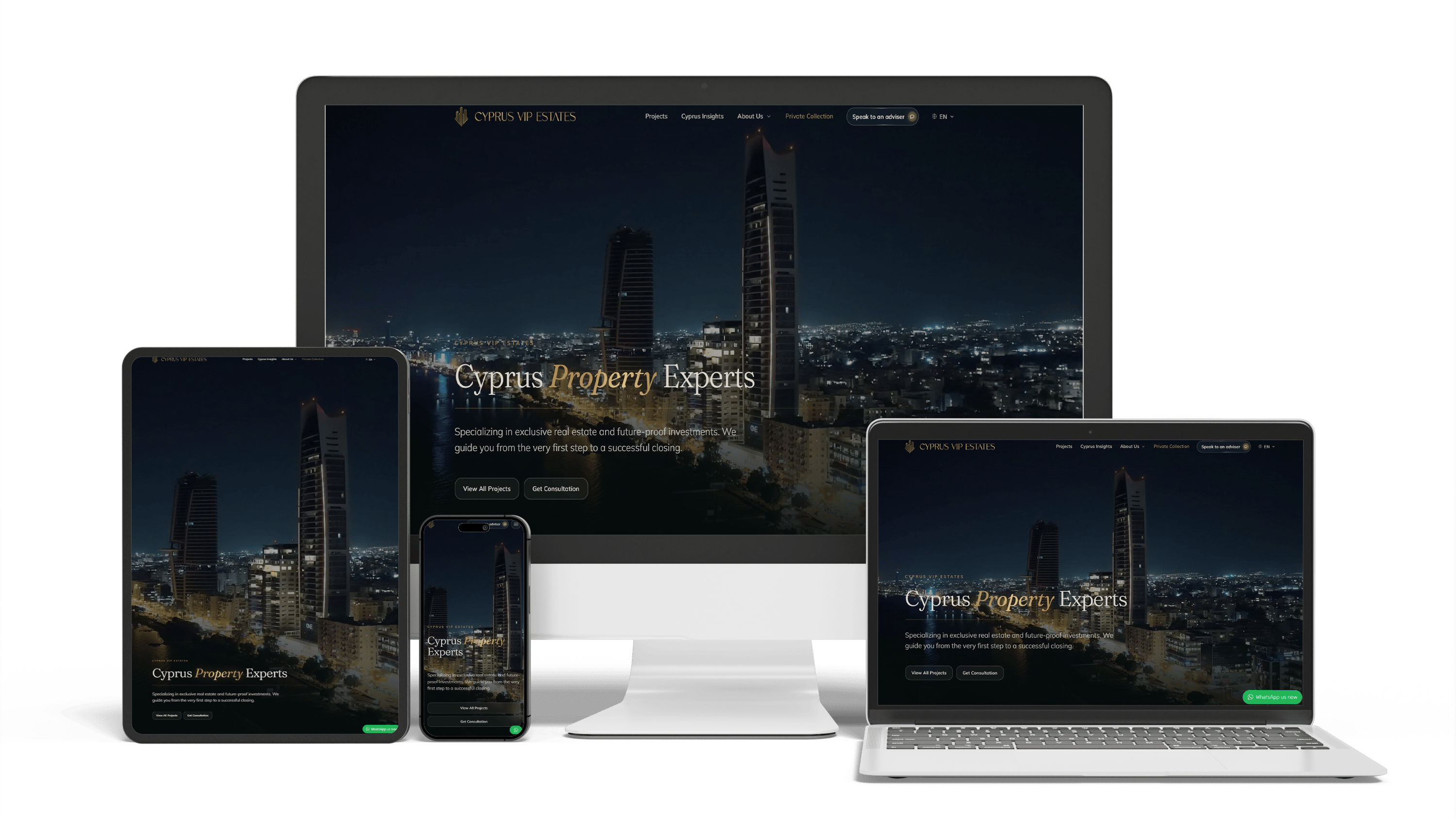
Multilingual real estate platform in Cyprus: SEO and GEO without bought links
16× faster editingTraffic from ChatGPTLeads via WhatsApp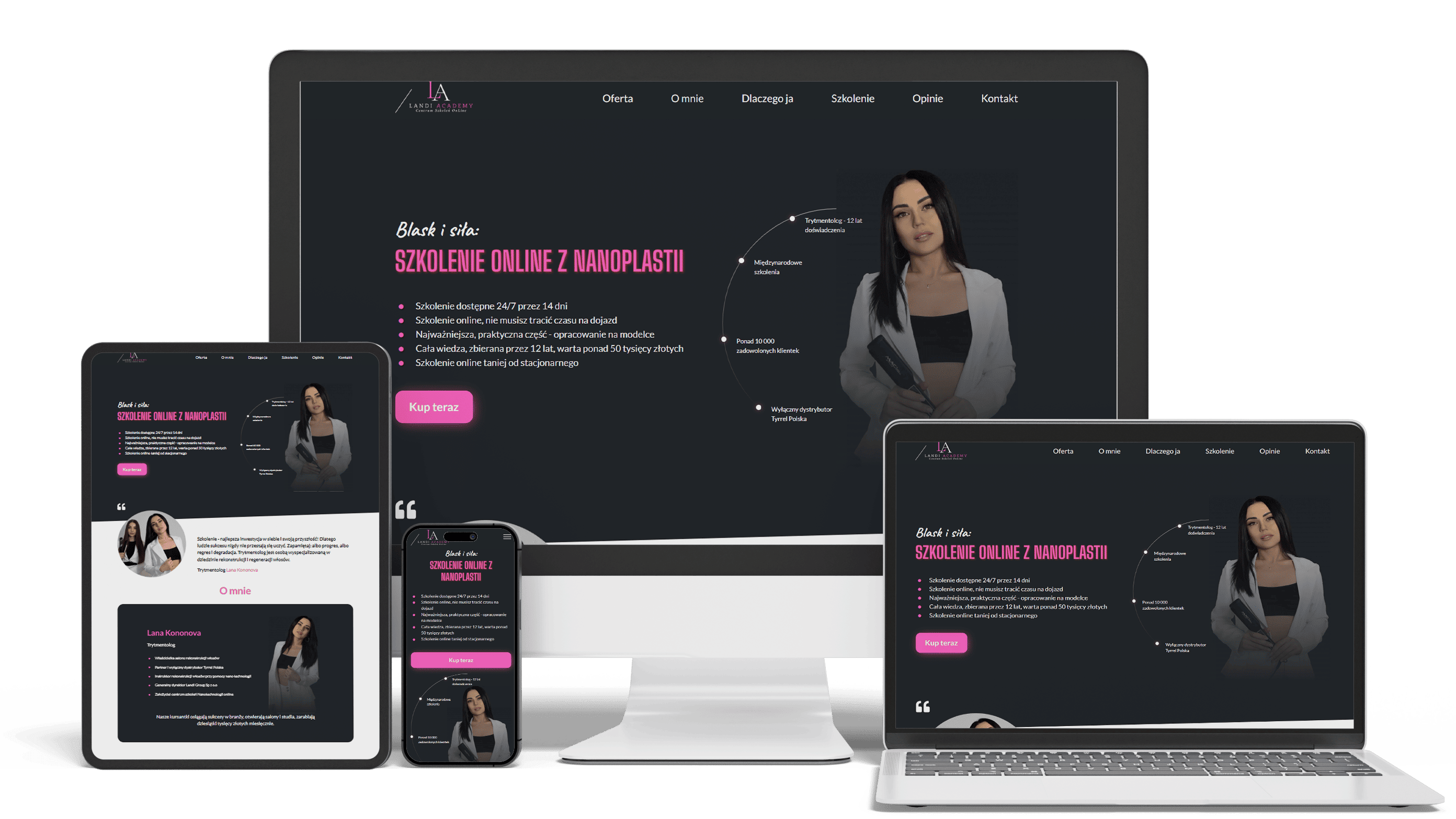
E-commerce landing page with secured video access
100+ course sales0 leaksLinks expire in 14 days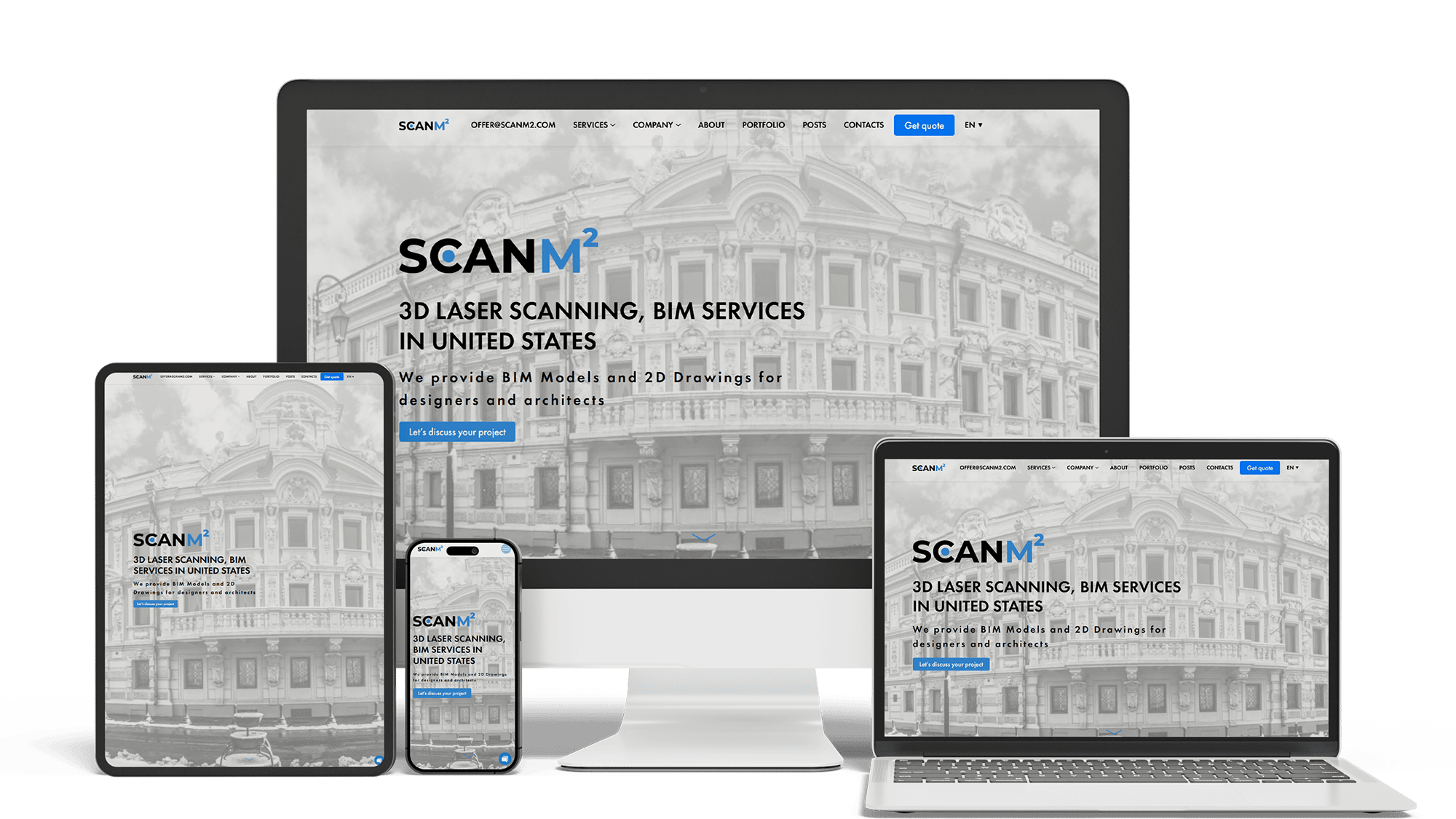
Architecture Website Rebuild and SEO
29× organic trafficLoads in under 1 sTop 3 in Poland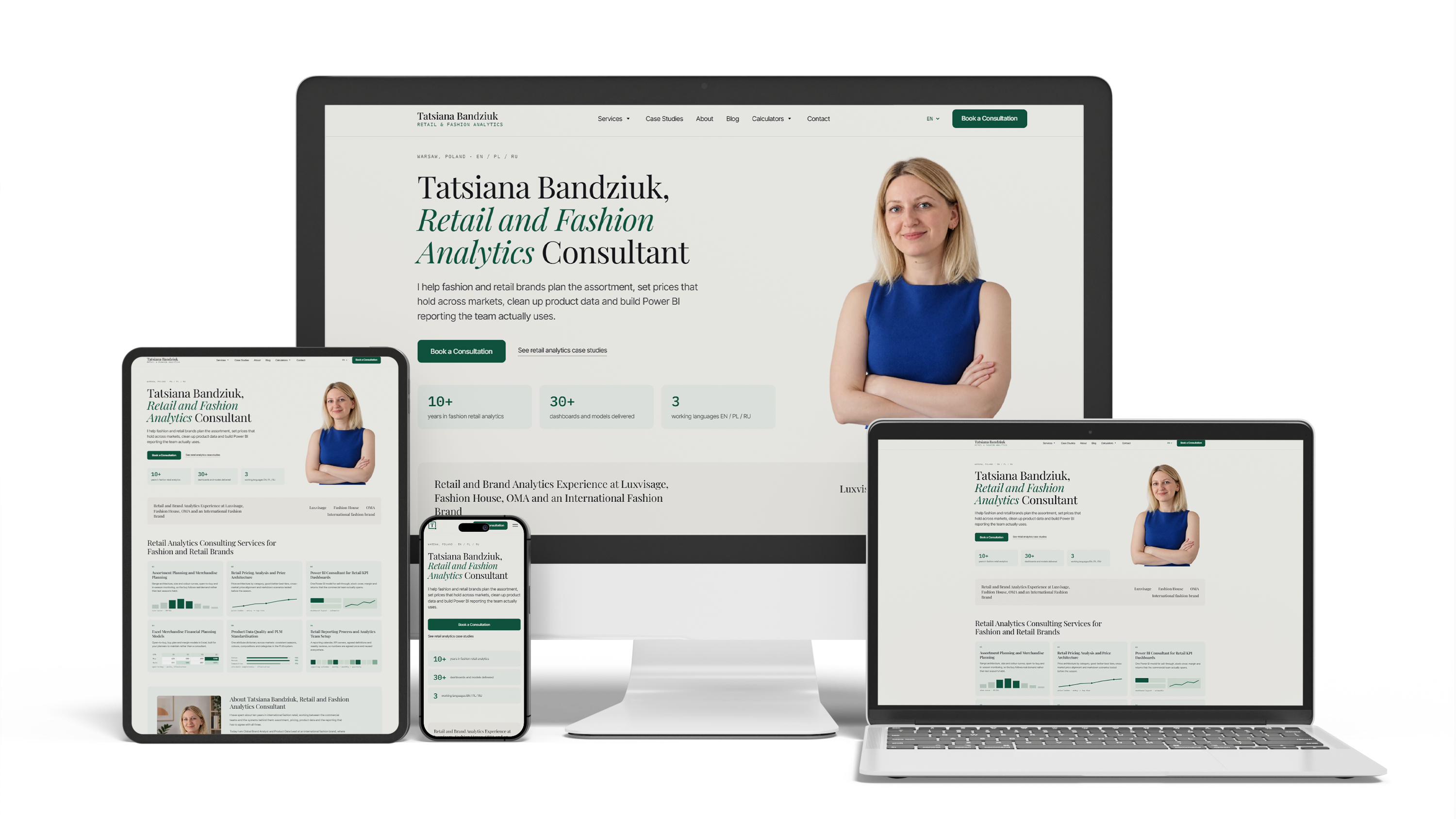
A consultant website for a retail analytics expert
100/100/100/100153 pages3 languages
Bilingual psychotherapist website in Italy
468 of 468 posts moved2 languagesSeen in ChatGPT answers
Get a quote for SEO for your jewelry store
I reply within one business day with the first changes I would make to your catalog and Google listing, and a fixed price.
I do SEO for jewelry stores: the work that puts your rings, earrings and necklaces in front of people searching for exactly that piece, and your showroom in front of people who want to see it in person before they buy. Jewelry is bought slowly and checked carefully. Buyers compare metal, stone, price and return terms across several shops, and the store whose pages answer those questions plainly gets the sale. I work alone and do the whole chain myself — keyword research, page structure, product data, code changes and reports — for local jewelers, online jewelry shops and designer brands.
A jewelry search is usually built from a few attributes, and every combination that people really type deserves an answer somewhere on your site:
- type and metal — “gold hoop earrings”, “sterling silver chain for men”, “platinum wedding band”
- stone and origin — “lab grown diamond engagement ring”, “sapphire stud earrings”, “moissanite vs diamond”
- recipient, occasion and budget — “silver bracelet for women”, “anniversary gift for wife under $500”
- style — “vintage engagement rings”, “dainty gold necklace”, “art deco ring”
- service and place — “jeweler near me”, “ring resizing [town]”, “custom engagement ring [city]”
SEO keywords for jewelry: why a keyword list is not a plan
Lists of “top jewelry keywords” go around the internet, and every store that copies one ends up chasing the same phrases. What matters for your store is narrower: which attribute combinations you really stock, how many people search for each in your market, and which single page answers each one. I map every search to one URL, so two of your own pages never compete for the same query.
A jewelry catalog multiplies fast. Metal × stone × type × size × price produces thousands of filter URLs, and only a small share of them match real searches — “white gold engagement rings” or “pearl drop earrings” do, “size 6.5, under $300, sorted by newest” does not. Faceted navigation needs clear rules:
- an indexable page for each combination with real demand and enough products, with its own title, heading and a short paragraph of text
- filters without demand stay usable for shoppers but are kept out of the index with canonical tags or noindex
- sorting and price-range parameters do not create new URLs for Google to crawl
- menus and category pages link to the combinations chosen to rank, and empty or single-product combinations never become pages
On most shop platforms, WooCommerce included, this is set in the theme and filter plugin, sometimes with a small code change. I make those changes myself.
A buyer about to spend several hundred dollars on a ring reads the product page line by line. So does Google, and so does an AI assistant asked to compare two rings. A product page that ranks and sells states:
- metal and purity — 14k, 18k, 925 sterling silver, platinum — the weight in grams and any plating
- the stone: type, natural or lab-grown, carat weight, cut, color and clarity where they apply, and the grading report if there is one, for example from GIA or IGI, with its number
- sizes and how to find yours, chain lengths, and whether the piece can be resized later and for how much
- care, warranty, returns and delivery time, including for engraved and made-to-order pieces
Lab-grown and simulated stones need to be named exactly as your market’s rules require — in the US, the FTC’s Jewelry Guides — on the product page, in the title and in the feed. If you sell pieces that other retailers also carry, the supplier’s text sits on dozens of sites already; your own description with the facts above is the one that can rank.
On the property platform in Cyprus that I run, descriptions were once rewritten as lifestyle copy — mood, dreams, the feeling of living there. Commercial pages lost traffic. When factual descriptions came back, clicks rose by 16%. Jewelry copy is tempted in the same way: “a symbol of eternal love” gives a buyer, a search engine and an assistant nothing to work with, while “18k yellow gold, 2.1 g, 0.5 ct lab-grown round diamond, IGI report” answers three questions at once. A line of feeling is welcome after the facts, not instead of them.
Jewelry is chosen by eye, and Google Images and the Shopping tab show pictures before text. What I check and fix:
- file names and alt text that describe the piece — “18k yellow gold hoop earrings 20 mm on ear”, not IMG_0042
- several angles, a photo on the hand or ear for scale, and a short video for stones that need light to show
- images compressed and sized, so a category page with forty photos still loads fast on a phone
- Product structured data with Offer — price, currency, availability, priceValidUntil on sale prices — plus shipping and return details for merchant listings
The same data feeds Google Merchant Center, where free listings can put your products in the Shopping tab without paying for ads. Feed errors such as mismatched prices or missing identifiers are fixed at the source.
An engagement ring is researched for weeks, often in secret, and the questions are specific. This section deserves its own structure:
- pages by shape and setting — oval, emerald cut, solitaire, halo, three-stone — only for what you stock or make
- guides that answer what buyers worry about: lab-grown vs natural diamonds explained without running down either, how to find out her ring size discreetly, what moves the price
- the custom ring process written step by step — consultation, design, approval, making, timeline — with a form to book a consultation
- wedding bands as the next step, linked from every engagement ring page
These pages bring the most valuable visits, so I track them separately.
Gift buyers search by person and budget — “gift for wife”, “jewelry for mom under $200”, “anniversary gift by year” — rarely by metal or stone. Gift pages group your pieces that way and state what a giver needs to know: the last day to order with engraving, gift wrapping, delivery cutoffs and exchange terms for the recipient.
I plan them with your buying calendar: when you order stock for a season, the page for that season gets written, so it is crawled and indexed before searches rise. Flower shops work to a similar calendar with a far shorter buying window, described on the florist SEO page.
For a store with a showroom, many searches end on the map: “jeweler near me”, “jewelry repair [town]”, “ring resizing near me”, “watch battery replacement”. A local jeweler wins these with:
- a page for each service — repair, resizing, cleaning, engraving, custom work, appraisals if you offer them — with typical turnaround and a starting price
- “Jewelry store” as the primary category in your Google Business Profile, plus secondary categories that match your real services
- showroom photos, opening hours that stay correct, and a booking link for consultations
- reviews that mention the piece or the service, answered by you
The wider map work — categories, citations, service areas — is on the local SEO services page.
Many designer and handmade jewelry brands start on Etsy, and Etsy SEO — titles, tags, attributes inside the marketplace — is its own discipline that stays inside Etsy. A brand’s own site works differently: it can rank for your brand name, for the collections you make and for the materials you work with, and every sale there is yours without a marketplace fee. Its pages are built around the maker’s name, techniques, collections and custom work, with the same facts on the site, Etsy and Instagram so search engines and assistants connect them.
Questions like “where to buy a lab-grown engagement ring in Austin”, “best jewelry store for custom rings in Chicago” or “is 14k or 18k gold better for an everyday ring” now go to ChatGPT, Perplexity and Google’s AI Overviews as well as to search. The assistant recommends shops whose facts it can read and confirm elsewhere. Generative and answer engine optimization (GEO, AEO) for a jewelry store means:
- materials, certificates, return windows and the custom process written in text on your pages, not only inside images or PDFs
- buying guides that answer the question in the first lines, signed by the jeweler
- Product, Offer and JewelryStore structured data that tie the catalog to the business
- the same name, address, hours and policies on your site, your Google profile and any marketplace where you sell
Before the work starts I save what the assistants say about your store and which competitors they name, and I compare it again a few months later. More on the AI SEO and GEO optimization page.
A jewelry store report shows money and conversations: online revenue from organic search by category, average order value, consultation bookings and custom ring inquiries, calls and direction requests from the map, and repair requests by service page. The figures come from your shop platform, booking tool and analytics, so they match what you see in your own back office.
- An audit of the catalog, product pages, structured data, Google Business Profile and AI answers: from 250 €, one-off, ending with fixes ranked by impact.
- One-off work — category and filter rules, product page templates, the engagement ring section, structured data and feed fixes: 250–700 €.
- Monthly SEO for a jewelry store or brand — new category and gift pages, product data, local search, AI visibility and reports: from 800 € per month; for large jewelry stores with big catalogs in competitive markets from 1,300 € per month.
First results usually show after about a month and a half, and steady growth takes three to six months. If jewelry is one category among many in a larger online shop, the ecommerce SEO services page fits better. How monthly work runs is on the SEO optimization and strategy page, and all prices are on the pricing page.
Jewelry store SEO: frequently asked questions
Order SEO for your jewelry store: what to send me
Send your store’s website and Google Maps link, the shop platform you use, what you sell — types, metals, natural or lab-grown stones, custom work — whether you have a showroom, which sales you want more of and where orders come from now. My reply names the first steps for your store and a fixed price. Use the form above or write on WhatsApp.
