


Winery SEO for Tasting Rooms and Wine Tourism
I do winery SEO: experience pages that rank for tasting-room and wine-tourism searches, a Google Maps listing with correct hours and fresh reviews, event, wedding and wine club pages, and a place in ChatGPT and AI Overview answers, measured in reservations rather than rankings.
- Tastings, events, wine club
- Audit from 250 €
- Reply within one business day
What you get with winery SEO
- Search data for your wine regionDay trips, tastings, venues and your labels
- A page for each tasting experienceWines poured, price, group size, dogs, kids
- Google Maps listing that sends visitsSeasonal hours, reservation link, reviews
- Event, wedding and wine club pagesPermanent URLs that gain strength every season
- Visibility in ChatGPT and AI OverviewsExperiences and policies written as plain text
- Reports in reservations and sign-upsTastings, club members and event inquiries
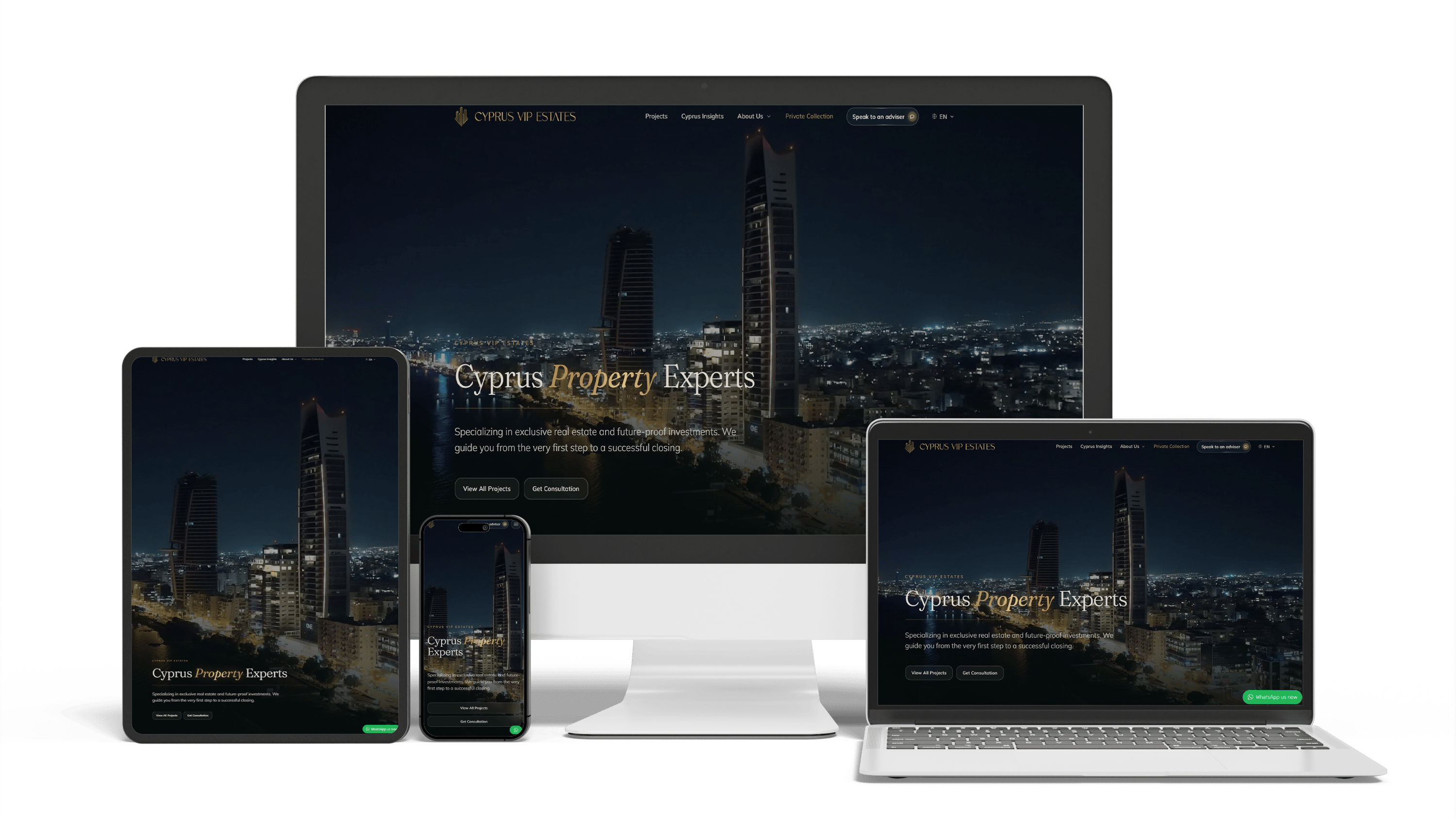
Multilingual real estate platform in Cyprus: SEO and GEO without bought links
16× faster editingTraffic from ChatGPTLeads via WhatsApp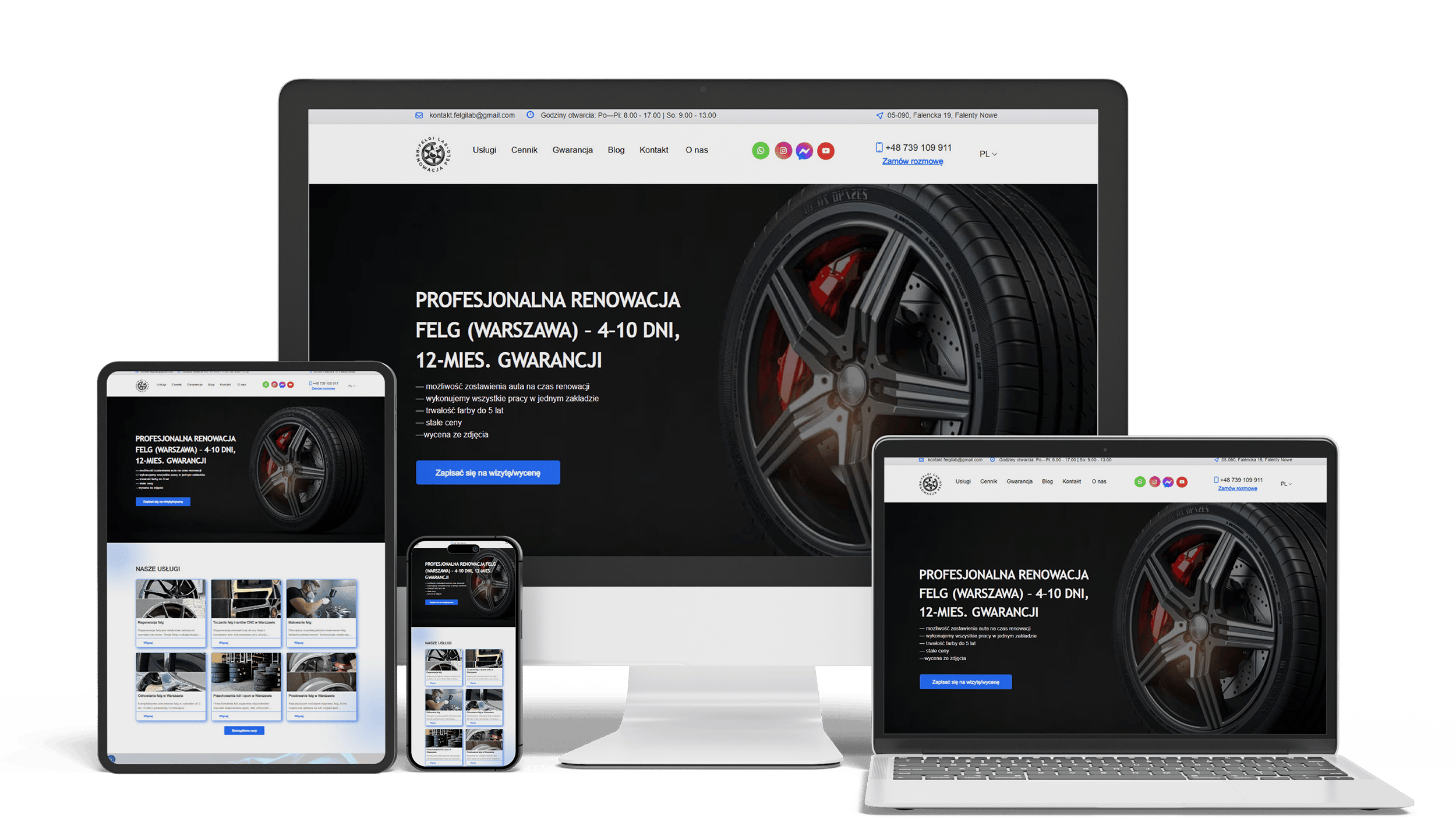
Auto Repair SEO & UX Boost
Performance 90++10% organic trafficLeads from forms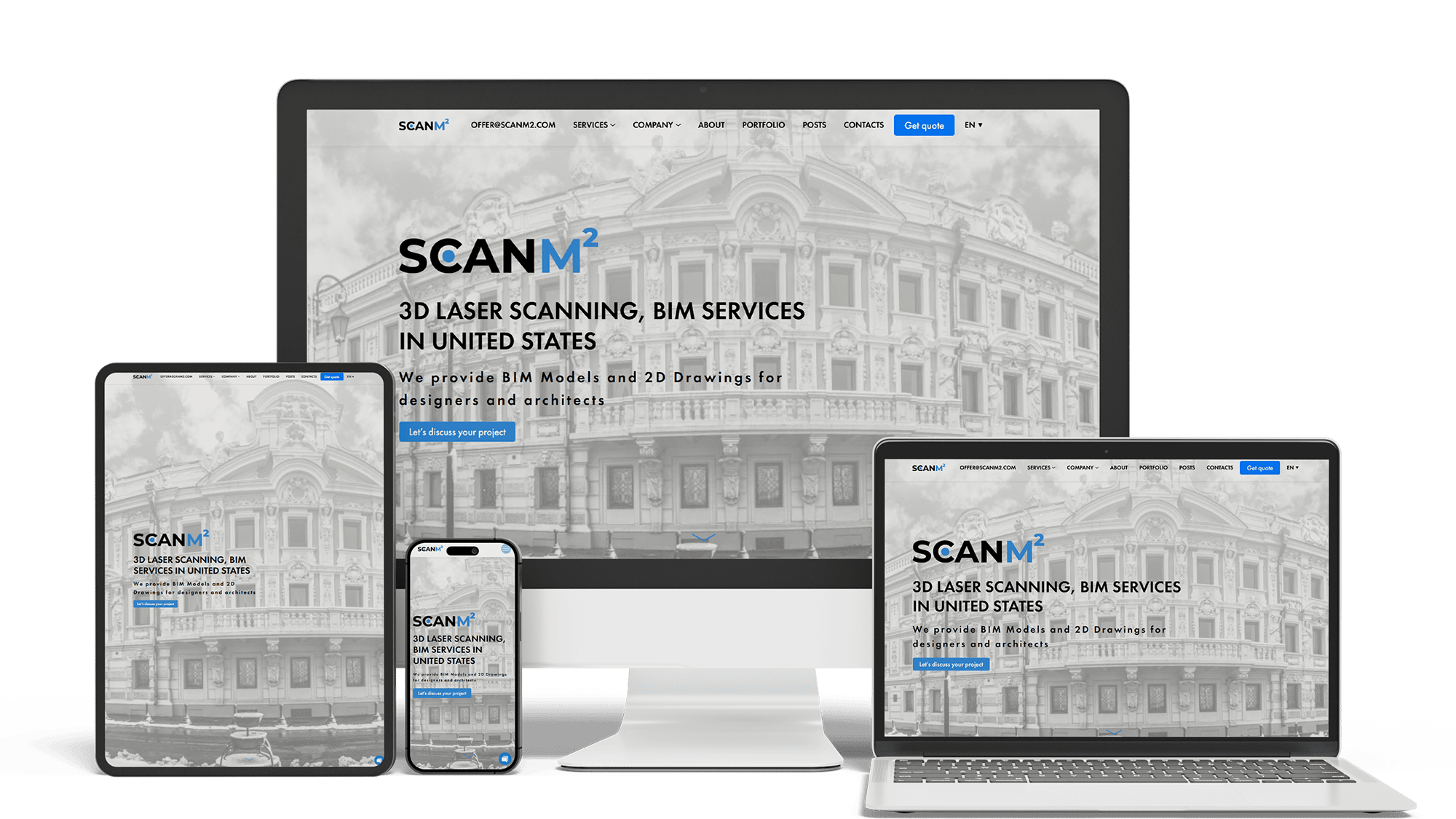
Architecture Website Rebuild and SEO
29× organic trafficLoads in under 1 sTop 3 in Poland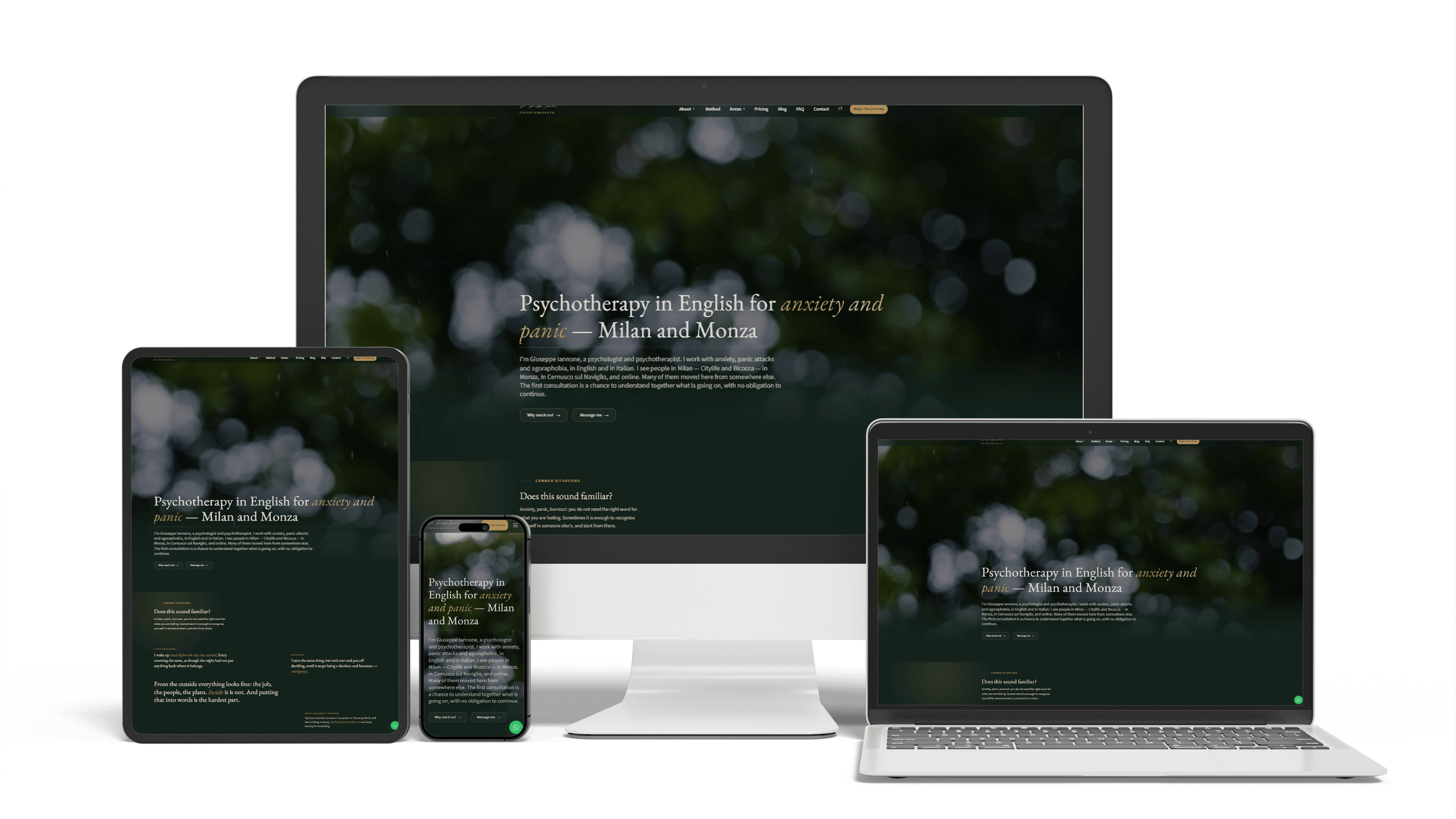
Bilingual psychotherapist website in Italy
468 of 468 posts moved2 languagesSeen in ChatGPT answers
Full Multilingual Website Development & SEO for Student Services
+5,930 clicks in 6 months359k impressionsTeam edits it
Get a quote for SEO for your winery
Within one business day you get the first three things I would change on your site and map listing, plus a fixed price.
I do winery SEO: the work that puts your tasting room, events and wines in front of people planning a day in wine country — in Google results, on Maps and in AI answers. A winery visit is usually planned ahead: a weekend away, a birthday, a bachelorette party, a client outing. The search starts days or weeks before anyone parks by your tasting room. I work alone and build websites myself, so whoever spots a slow page or broken markup on your site is also the one who repairs it.
Few people search for a winery by name until someone has told them about it. Before I write anything I collect search data for your region and your experiences, and the phrases fall into four groups:
- region — “wineries in Paso Robles”, “best Finger Lakes wineries for groups”, “wine tasting day trip from Austin”
- experience — “winery with food”, “dog-friendly winery”, “private tasting”, “vineyard tour and tasting”
- events and venues — “vineyard wedding venue”, “winery live music this weekend”, “harvest festival”
- the wine itself — “[your winery] pinot noir”, “where to buy [label]”, “[region] wines to try”
Region searches bring people who have not chosen a winery yet; experience and event searches bring people close to booking; wine searches bring people who already know you. The data shows where competition in your region is weakest, and that is where the work starts.
Many winery sites put every tasting on one “Visit” page with a reservation widget. That page cannot rank for a private cave tour and a picnic tasting at the same time, and the widget alone tells search engines almost nothing. Each experience you sell gets its own page that states:
- what is poured and how many wines, how long it lasts and the price per person
- food, seating — indoors, on the terrace, among the vines — and group size limits
- reservation policy, walk-ins, cancellation and minimum age
- kids, dogs, accessibility and the walk from parking to the tasting room
These are the details people check before they book. A page that answers them gets the reservation; a page that leaves visitors guessing sends them to the next winery on the list. Group and corporate tastings deserve a page of their own: planners search with other words and book larger tables.
Wine tourists plan by region first. They search how to spend a day in a valley, where to stay and how to get between wineries without driving. A winery that answers those questions on its own site meets them before they have a shortlist. Useful pages: a one-day itinerary that includes your tasting room and the neighbors you are happy to recommend, directions from the nearest city and airport, ride and shuttle options, and the best months to visit. The aim is a page a visitor bookmarks, not a block of keywords around your name.
Estates with guest rooms or a cottage also compete in lodging searches, which follow their own rules; that side is covered on the hotel SEO page.
For “wineries near me” and “wine tasting near me” the map decides most visits, and travelers often check it from the car. A winery profile needs:
- “Winery” as the primary category, with secondary categories only for what you really run — a wine bar, a restaurant, an event venue
- tasting room hours including seasonal and holiday changes, so nobody drives out to a closed gate
- a reservation link that opens your booking page, and attributes such as outdoor seating or dogs allowed
- new photos every few weeks: the tasting room, the vines through the seasons, events — not only bottles
- a review request after each visit that asks guests to mention the experience they booked
If your tasting room is in town and the vineyard is elsewhere, each place that receives visitors needs its own accurate listing. The full routine for map listings is described on the local SEO services page.
Events bring people who would never search for a tasting. Each recurring event gets a permanent page — harvest party, summer concert series, release weekend — updated with new dates every year instead of a new page each time. A page that has gathered links and visits over several seasons ranks far better than one created three weeks before the date. Event structured data gives Google the date, place and ticket link.
Weddings and private events are a separate market with long research. Couples and planners search “vineyard wedding venue” with your region and compare capacity, season, rain plans, catering rules, nearby lodging and price ranges. A venue page that answers those questions and shows real weddings at your estate brings inquiries far larger than any tasting reservation.
Many people join a wine club at the tasting bar, but many go home and search first: “[winery] wine club”, “best wine clubs in [region]”, “is a wine club worth it”. If your club page is a sign-up form without text, review sites and comparison articles answer those questions instead of you. A club page that ranks states the tiers, bottles per shipment and how often, member discounts and tasting privileges, pickup parties and how to pause or cancel. Member-only pages stay out of search; the public page carries the facts.
After a glass at a restaurant or a bottle at a friend’s house, people search the wine’s name. A page for each current wine — varietal, vintage, vineyard, tasting notes, food pairing, awards with year and competition, price — catches that search. When a vintage sells out, its page stays up, marked sold out with a link to the next release, instead of turning into a 404 that throws away what it had earned. Where you cannot ship, the page names the stores and restaurants that pour the wine.
Wine content follows rules that most local businesses never face. Advertising standards, health wording, direct shipping and age requirements differ by state and by country, and they change. SEO pages describe wines, places and experiences rather than drinking, avoid health claims and say plainly where you ship. If the site uses an age gate, search engines and AI assistants still have to reach the text behind it. Check the rules that apply to you with your compliance adviser; this is general information, not legal advice.
Visits follow a calendar: spring openings, summer weekends, harvest in late summer and fall, holiday gift buying and a quiet winter in most regions. A page needs weeks to rank, so harvest and holiday pages go live a couple of months ahead. The quiet months are for rewriting experience pages, adding new photos and reworking the club page before the spring rush.
Travelers now ask ChatGPT, Perplexity or Google’s AI Overviews questions such as “which wineries near Napa take groups of twelve”, “dog-friendly wineries in the Willamette Valley” or “where can I do a cave tour with food pairing”. Assistants build those answers from pages they can read and check against other sources. The industry calls this work GEO, generative engine optimization, or AEO, answer engine optimization. On a winery site the work is concrete:
- experiences, prices, group limits and policies on dogs and kids written as plain sentences, not only inside a booking widget
- structured data for the winery, its tasting room, events and wines
- the same name, address and hours on Google, Yelp, TripAdvisor, your reservation platform and regional wine trail sites
- answers to common visitor questions on your own pages, signed by the winemaker or the owner
I save what assistants say about your winery at the start and compare it later with what they say after the changes, including which neighbors they suggest. More on the method: AI SEO and GEO optimization page.
Reservation platforms such as Tock, Resy or Commerce7 have discovery pages of their own, regional wine associations list member wineries, and tour companies sell your tasting as part of a day trip. They all bring visitors, and they all keep part of the relationship. Your own site and profile are where a guest comes straight to you and can join your list. Winery marketing agencies often bundle SEO with social media, email and ads. Whoever you hire, ask whether reports show reservations, club sign-ups and event inquiries rather than rankings alone, and keep the website, domain and Google profile in your name.
- Audit of your winery site, map listing and the wineries that outrank you: from 250 €, paid once, with a ranked list of fixes.
- Single projects such as experience, event, wine club or wine pages, a profile overhaul or structured data: 250–700 €.
- Ongoing winery SEO with new pages, map and review work, event updates, AI checks and a monthly report in reservations: from 800 € per month.
When the site is too old to fix, start with winery website design. How a monthly SEO engagement runs is explained under SEO optimization and strategy, and the full price list is on pricing.
Winery SEO: frequently asked questions
Order SEO for your winery: what to send me
Send your winery name, website and Google Maps links, the experiences you sell, your events and club, the reservation system you use and what you want more of — tastings, club members, weddings or online orders. You get back a short list of first fixes and one fixed price. Use the form above or write on WhatsApp.
