


Food Truck Website Design
I design and build food truck websites: today’s location and a weekly schedule you update from your phone, a menu with prices and sold-out marks, a booking form for private parties, weddings and festivals, and pages that open fast on a crowded event’s mobile signal.
- Design + build, one price
- From 700 €
- Reply within one business day
What you get with food truck website design
- Today’s stop on the first screenAddress, service hours and directions in one tap
- A schedule you edit from your phoneRegular stops, events and rain cancellations
- A menu as text, not a photo of the boardPrices, specials and sold-out marks
- Event and festival bookingsDate, guests, location, power and budget
- Fast on a weak festival signalLight pages that open on mobile data
- Visible to Google and AI assistantsStops, menu and hours as text

Official Website for DJ and Producer Sasha Dith
Loads in under 1 sBooking formVideo and music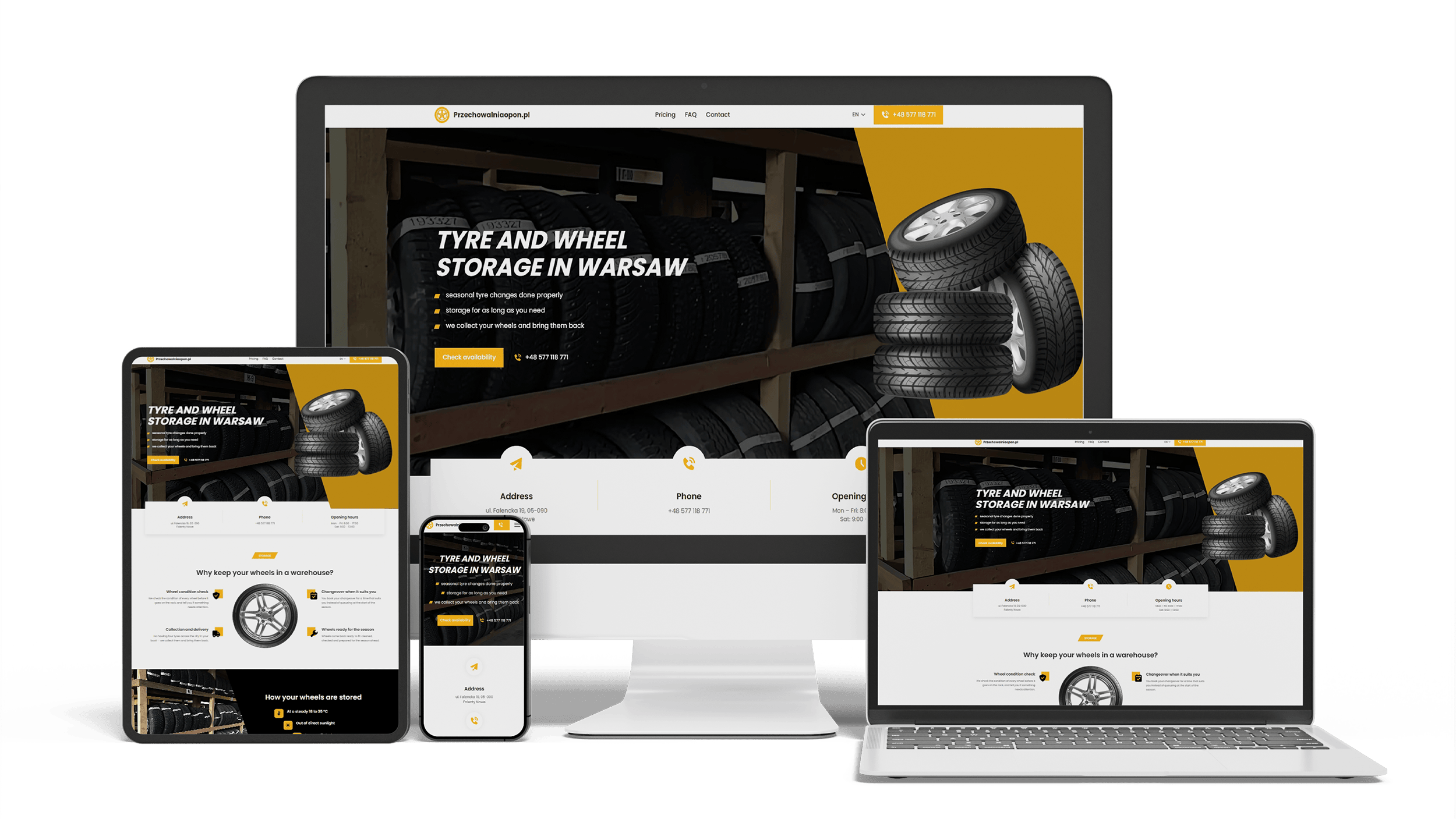
A multilingual landing page for a wheel and tyre storage business
100/95/100/1003 languagesClient edits it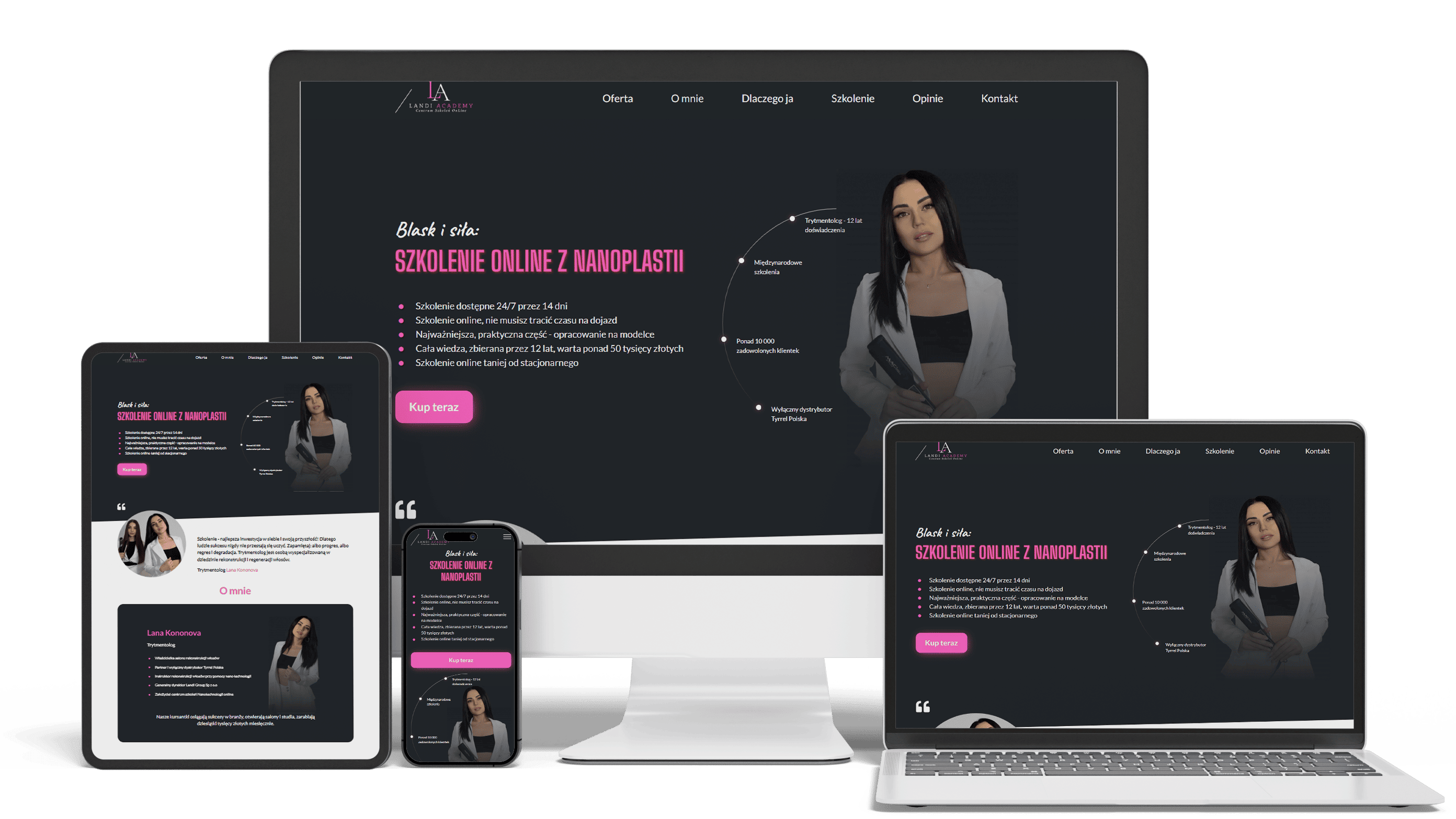
E-commerce landing page with secured video access
100+ course sales0 leaksLinks expire in 14 days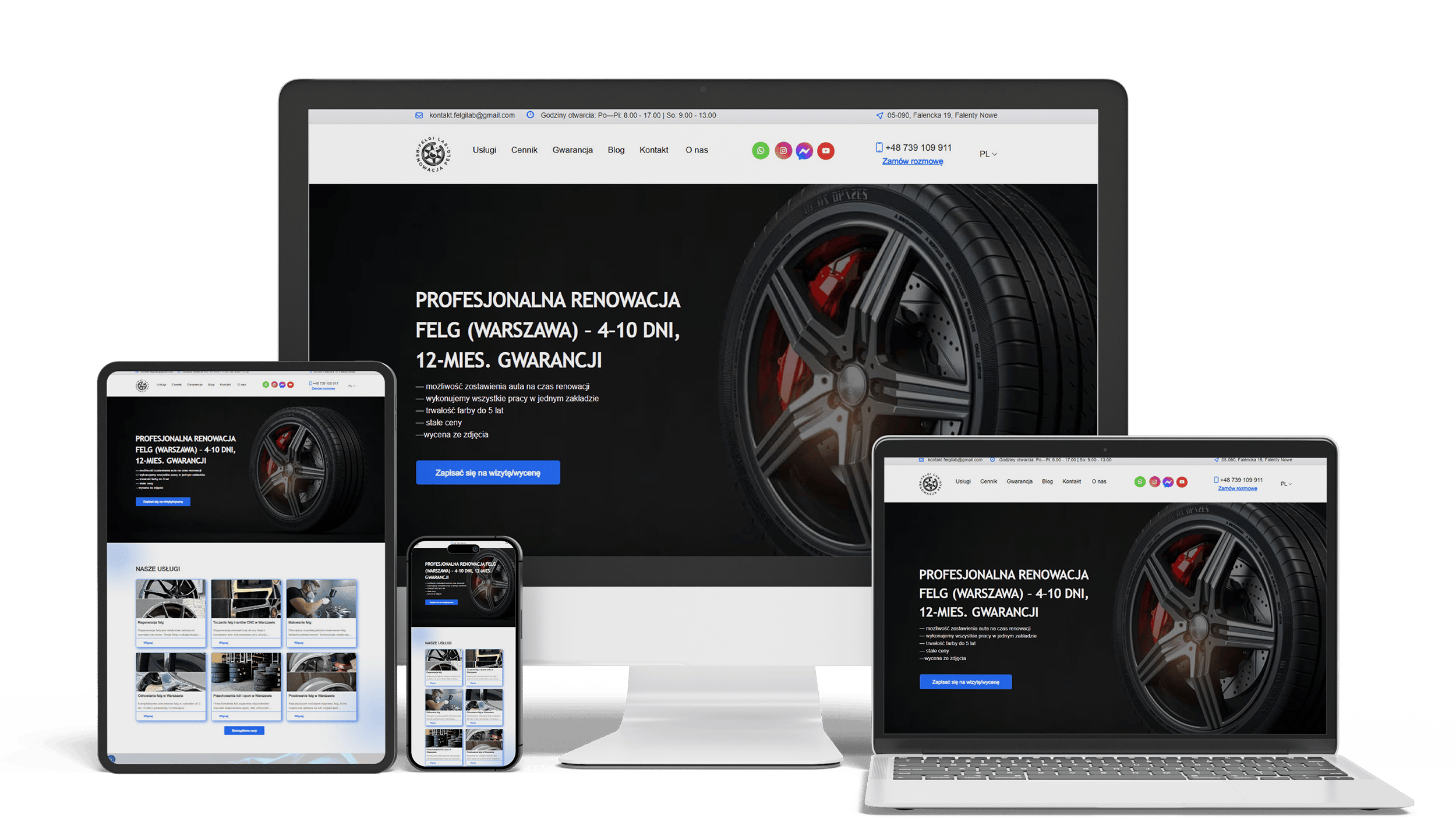
Auto Repair SEO & UX Boost
Performance 90++10% organic trafficLeads from forms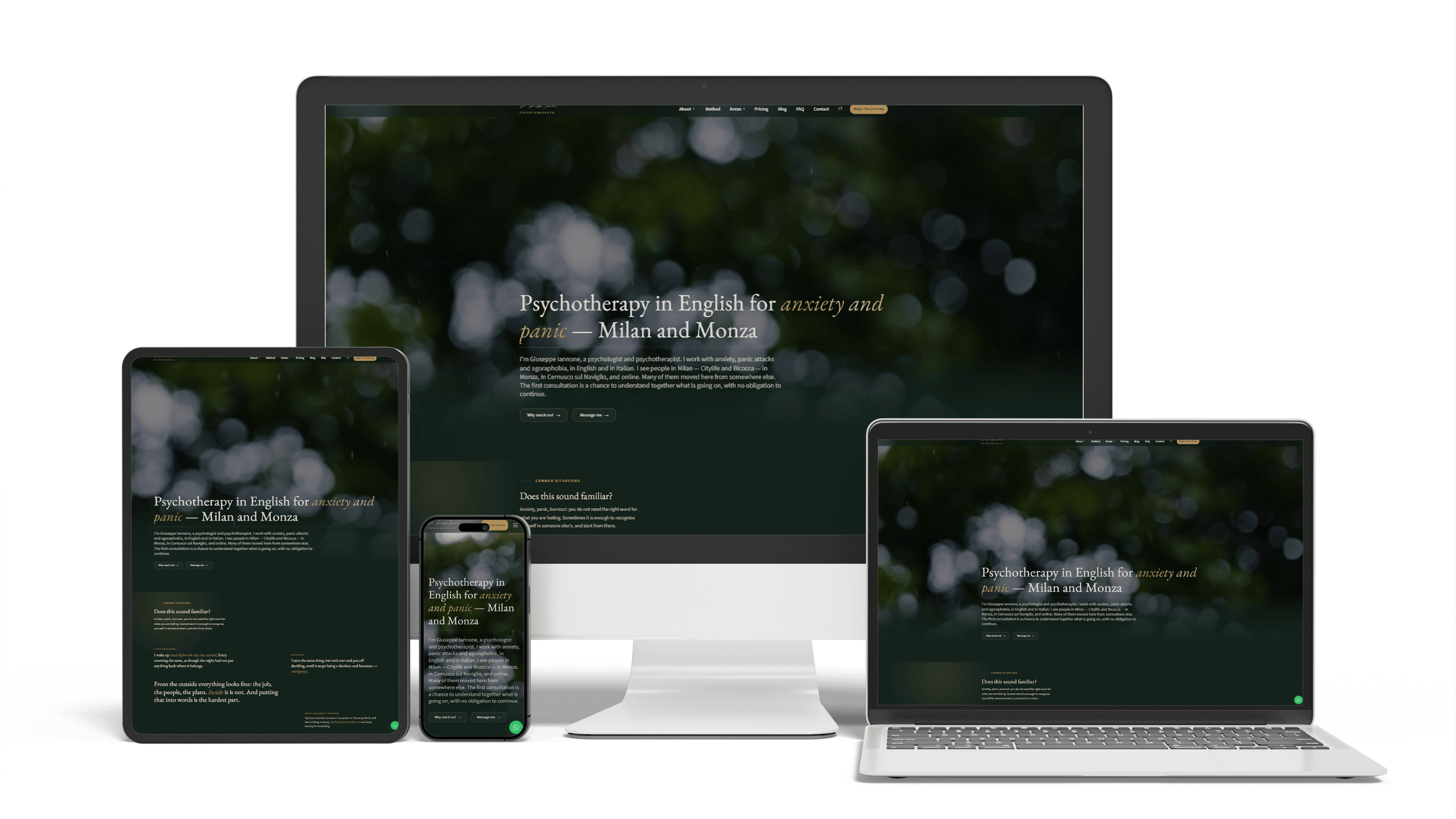
Bilingual psychotherapist website in Italy
468 of 468 posts moved2 languagesSeen in ChatGPT answers
Get a quote for your food truck website
I reply within one business day with a proposed page list, a note on how the schedule and event bookings would work, and a fixed price.
Food truck website design is how I help a truck owner put the moving parts of the business — where you park today, what you serve, how to hire you — on one site you update from the phone in the cab. I design and build it myself, so the look and the working schedule come from one person at a price agreed in advance. A truck changes location more often than any other food business, and the site exists to keep up with that.
Most visitors arrive with one question: where are you today? The first screen answers it before anything else:
- today’s stop — a street corner, a brewery, a business park — with service hours and a button that opens directions
- when the stop was last updated, so nobody wonders whether the information is from last week
- tomorrow’s stop, for people planning lunch a day ahead
- a button for event bookings that stays on screen while the visitor scrolls
On a day off, the same space says so and points to the next stop. A clear “Closed today — back Thursday at Riverside Park” beats an old post that sends people to an empty parking lot.
Most trucks repeat a weekly pattern — Tuesdays at an office park, Fridays at a brewery, weekends at markets — with events in between. The calendar on the site is built the same way: regular stops entered once and repeated, one-off events added on top, and any single date cancelled with one tap when it rains or the generator quits.
Editing happens in a small form made for a phone screen: pick a date, pick a saved location or type a new one, set the hours, save. Each stop has its own address and map pin, and customers can add your week to their own calendar. Breweries and markets you visit often can be listed as partners with a link to their sites, and they tend to share the page in return.
Weddings, birthdays, office lunches and school events often bring in more than a day of street service, and organizers want answers before they call. The booking form asks for what you need to quote:
- the event date, start and end time, and the address
- the number of guests, and whether guests pay at the window or the host covers a set menu
- space and power: where the truck parks, whether there is an outlet or you bring a generator
- a budget range or the minimum spend you work with, picked from options
Requests arrive in your inbox in one format. If you take deposits, a confirmed booking ends with a payment link through Stripe Checkout, the same tool Landi Room uses to sell its online course, and the date is marked as taken in the calendar.
Organizers compare several trucks before they choose, and they look for facts that rarely make it onto Instagram. A page for organizers lists the truck’s length and width, its power needs, how many guests you can serve in an hour, your permits and insurance, and photos of the truck set up at real events. Corporate clients also want to know that you send invoices and answer email. Keeping all of this on one page saves a round of questions and shows you are ready for larger bookings.
Many trucks post their location on Instagram or Facebook every morning, and that habit does not have to change. Posts reach people who already follow you. The website holds what strangers search for — the week’s schedule, the menu, the booking form, photos from past events — and it appears in Google for people who have never heard of you. The site links to your profiles and the profiles link back. Social feeds embedded into a page are heavy and break often, so the site shows its own schedule instead of a stream of posts.
Your customers open the site standing next to the truck, often at a festival where hundreds of phones share one cell tower. A page that takes six seconds to load there is a page nobody sees. So the site is built light: the first screen is text and one compressed photo, fonts are kept to a minimum, there is no autoplay video and no tracking scripts beyond the ones you need. Sasha Dith’s site carries a full video gallery and still loads in under one second; a food truck site has far less to carry.
A single page is often enough at the start: today’s stop, the schedule, the menu, the booking form and links to your profiles in one scroll. Separate pages start to pay off when private events become a large share of revenue, when you run two trucks with different routes, or when you add a commissary kitchen or a market stall. Each of those needs its own address so people can find it in search and share it, and a one-page site can grow into a larger one later without changing its domain.
If event catering is turning into your main business, the catering website design page covers menus by event type and per-person pricing.
Lists of the best food truck websites and food truck website examples mostly show builder sites — Wix, Squarespace, Duda — and template marketplaces sell food truck themes for a few dollars. A builder works if you are fine typing your schedule into a text block and receiving booking requests by plain email. The limits show in daily use: someone has to rewrite the schedule every week, the editor is awkward on a phone, and the page grows heavier with every app you add. A custom site gives you a schedule that repeats itself, a sold-out switch and a booking form shaped around your events, and the domain and the code stay yours if you ever change developers.
Questions like “which food trucks are at the waterfront this weekend” or “taco truck for a wedding near Austin” now go to ChatGPT and Google’s AI Overviews as often as to a regular search. An assistant answers from pages it can read, so every stop is written as text with a date, time and address, the menu and prices are text too, and the truck is marked up with FoodEstablishment structured data. The site of Giuseppe, a psychotherapist in Milan, follows the same rules, and ChatGPT already cites its new pages.
Keeping a business in AI answers over time is covered on the AI SEO and GEO optimization page, and Google Maps and searches nearby on the local SEO services page. A sit-down kitchen with table bookings needs a different site, described on the restaurant website design page.
One price covers the design and the build:
- A simple food truck website — today’s stop, the weekly schedule, the menu, a booking form and social links on one or a few pages: 700–1,400 €.
- A food truck website with a schedule you edit from your phone, sold-out switches, event menus, an organizer page, deposits and room for a second truck or a kitchen: from 2,000 €.
What happens between our first call and launch day is set out on the website development page; rates for all my services are on the pricing page.
Food truck website design: frequently asked questions
Order food truck website design: what to send me
Send your Instagram or current site, your menu with prices, your regular weekly stops, the kinds of events you take and your terms for them, and a few photos of the truck and the food. I will reply with a page list and a fixed price. Use the form above or write on WhatsApp.
