


SEO for a massage therapist: how to attract the clients you want and filter out the enquiries you do not
No other trade has this problem: the word that describes your work also attracts enquiries a licensed practice refuses. The site text and the map profile are what filter them, and the same work brings the clients worth rebooking. Audit from €250.
- Right clients, wrong ones filtered
- Audit from €250
- Named by ChatGPT and AI search
What SEO for a massage practice actually consists of
- Wording that filters the wrong enquiriesClinical framing, stated qualifications
- Searches by modality and by purposeSports, deep tissue, prenatal, desk work
- What may be said and what may notDescribing the session, not promising an outcome
- Booking that shows real availabilityOne practitioner, a fixed number of hours
- Making the second appointment easyThe first visit is what search buys
- Being named by AI assistants«Sports massage near me, evenings, qualified»
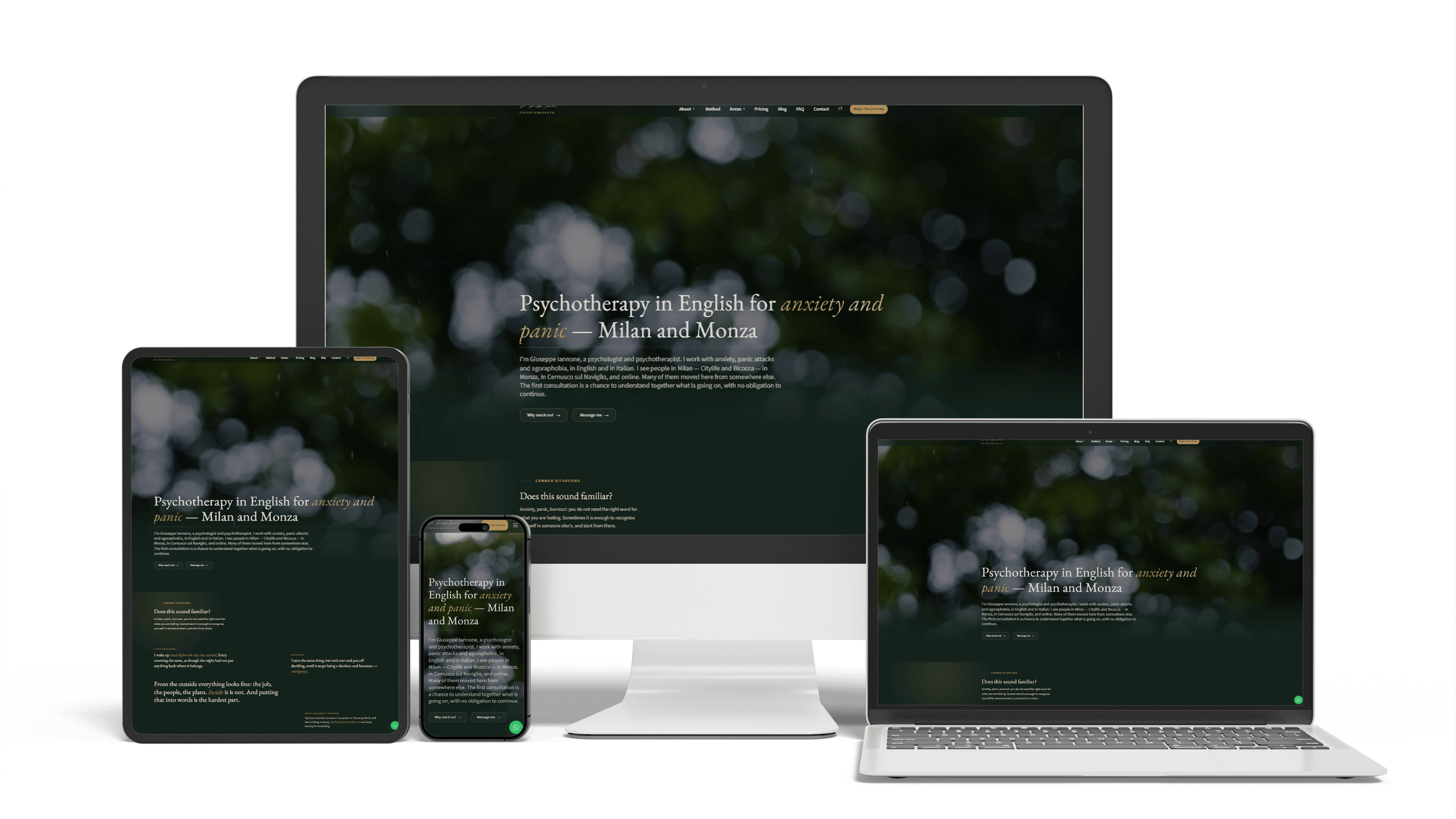
Bilingual psychotherapist website in Italy
468 of 468 posts moved2 languagesSeen in ChatGPT answers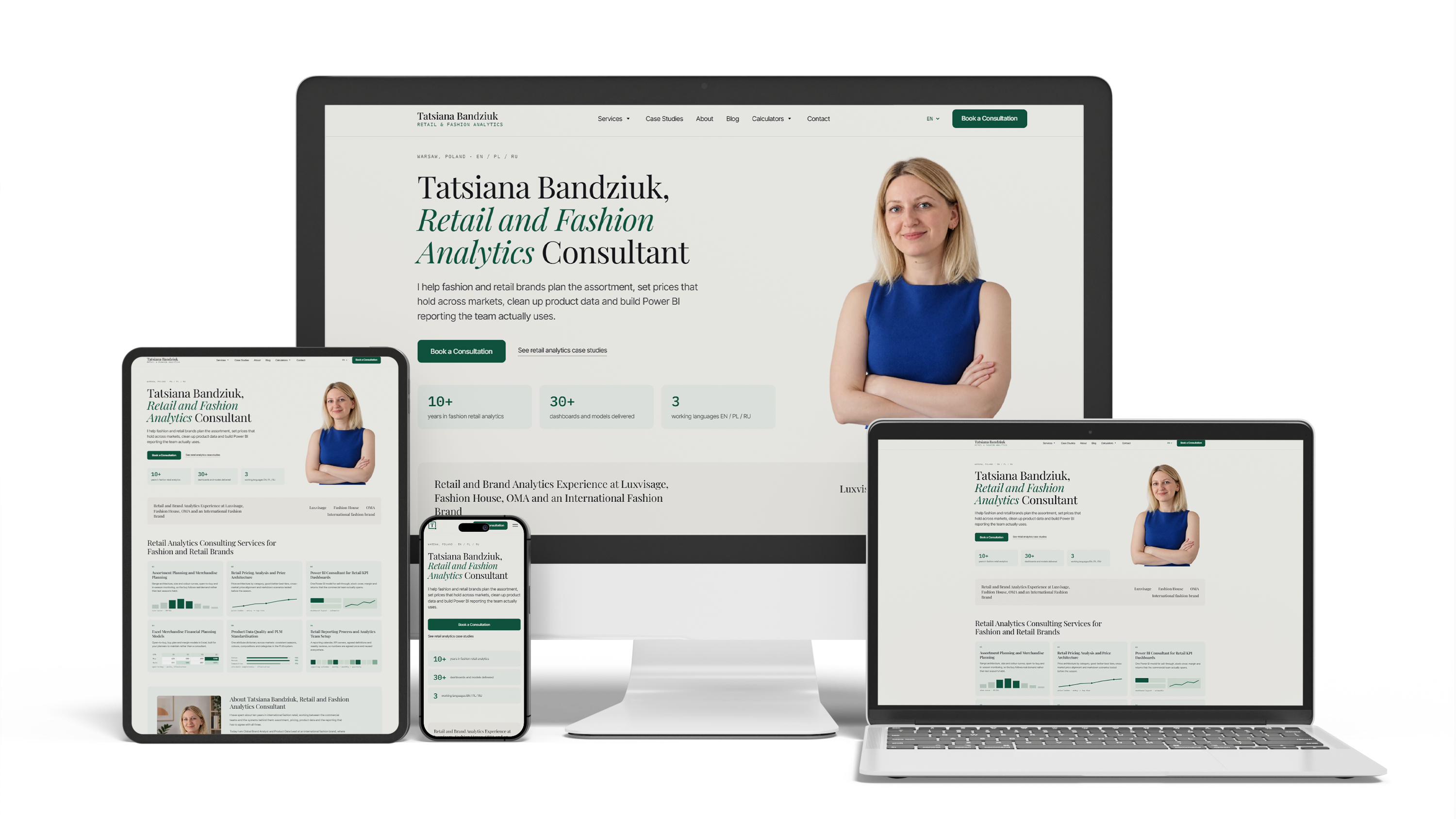
A consultant website for a retail analytics expert
100/100/100/100153 pages3 languages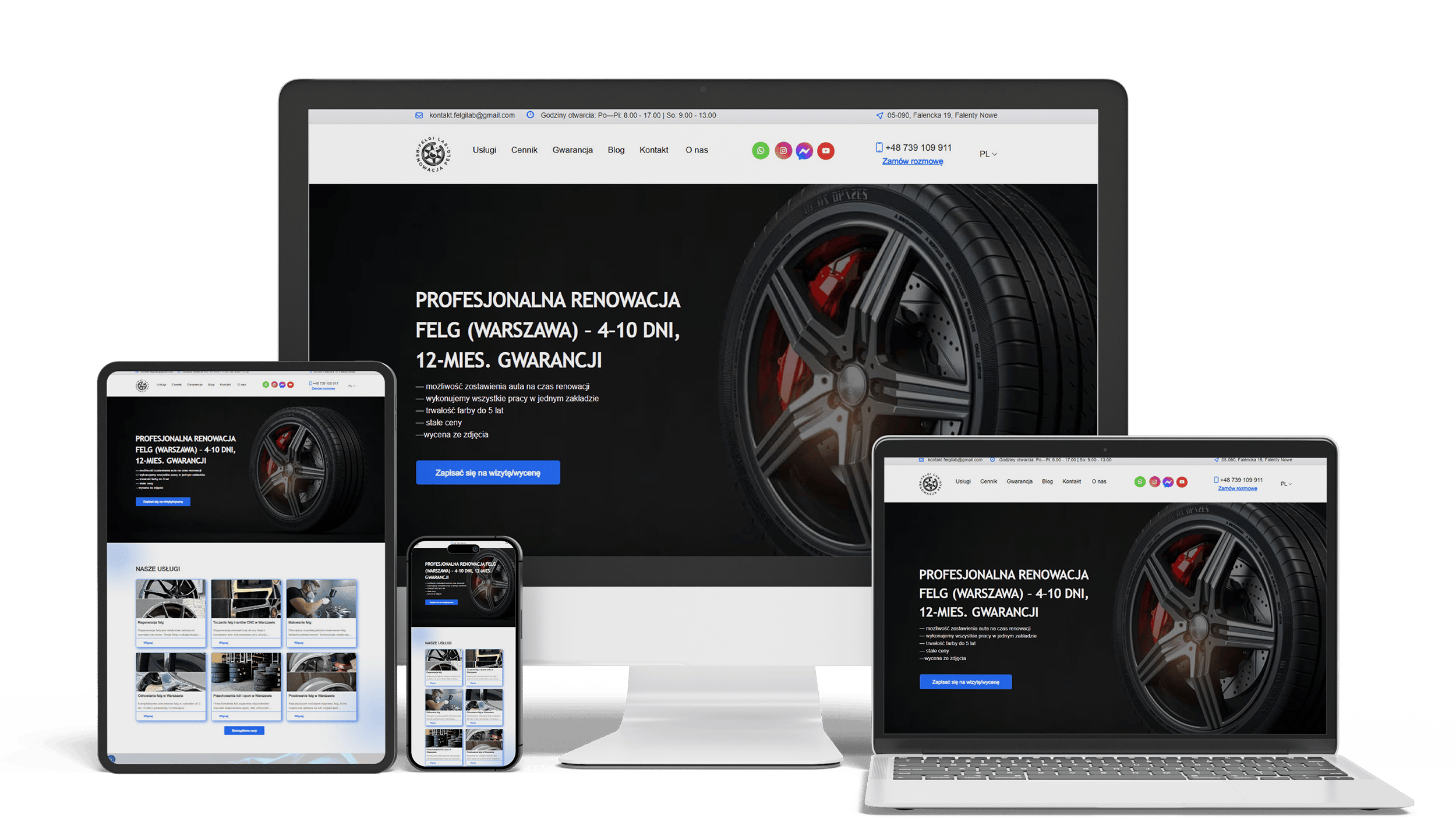
Auto Repair SEO & UX Boost
Performance 90++10% organic trafficLeads from forms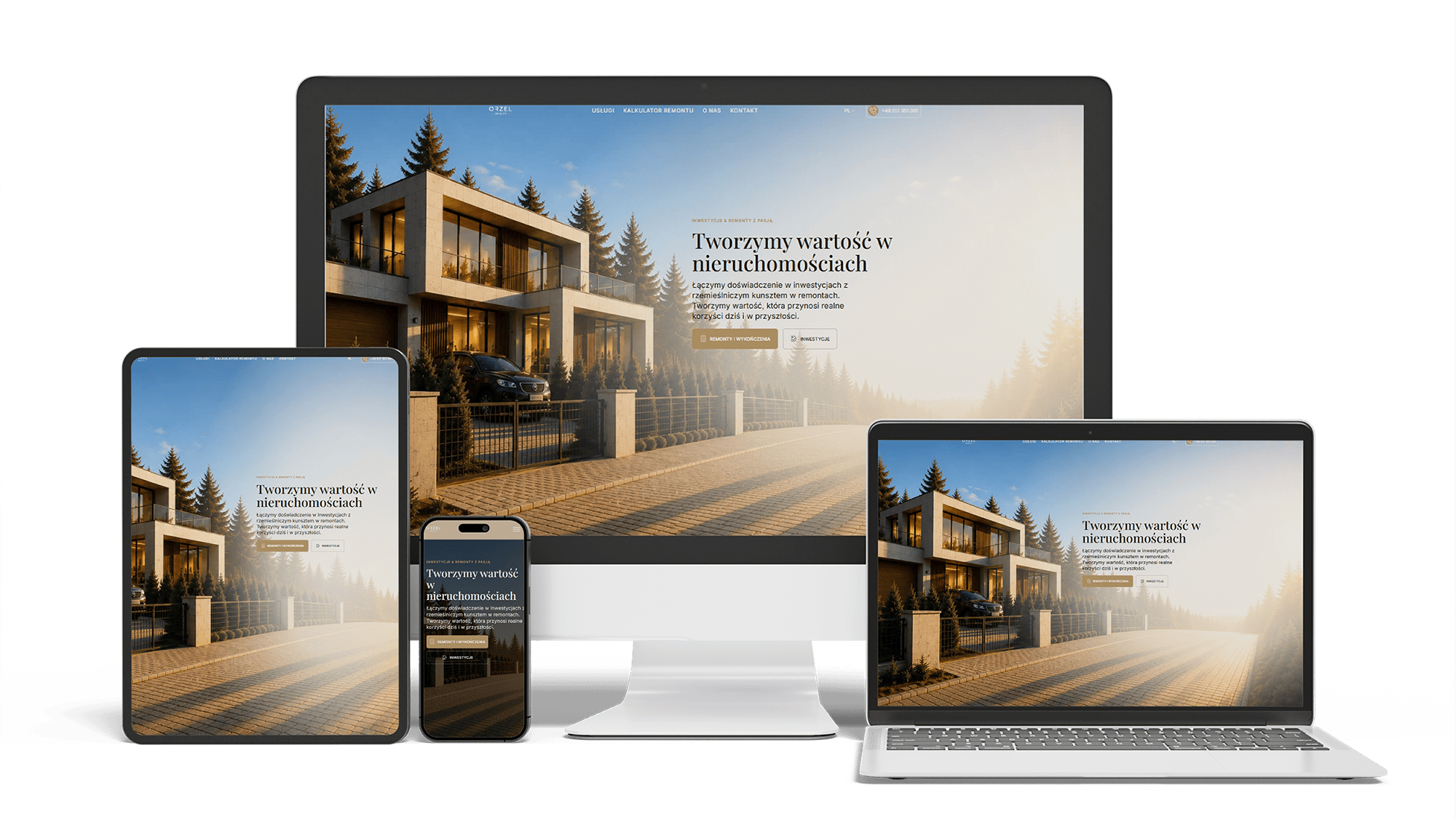
Renovation and investment website with a premium feel and 96/98/100/100 performance
96/98/100/100Design system2 languages
SEO case study: an education agency site, one country to ten
1 → 10 countries180 new pagesPerformance 61 → 91
I do SEO for massage studios and therapists: a page per massage type, prices and session lengths in text, the map listing, and visibility in AI answers.
This page is for therapeutic and sports massage practised as its own discipline: a single practitioner or a small studio, by appointment, selling sessions to people who come back. The neighbouring trades on this site need different work, and separating them matters more here than anywhere else, because the search terms overlap while the buyers do not.
For a salon selling appearance treatments alongside massage, the structure is on SEO for beauty salons. For a clinic doing assessment and rehabilitation it is SEO for physiotherapists, and for aesthetic medicine med spa SEO. If your practice genuinely spans two of these, it needs two clearly separate sections rather than one page trying to be both.
Massage is the one service where the plain description of the work also draws enquiries that a licensed practice will not take. Every therapist knows this, most have a story about it, and almost nobody addresses it on the website — which is where it could actually be solved, because the text of a page decides who writes to you.
The work is not defensive, it is specific. A practice that names its modalities in professional terms, states its qualifications and registration, says that it works by appointment from a listed address, publishes rates per session length, and chooses the right category in its map profile reads unambiguously to both a client and a search engine. The practices that get the worst of this are usually the ones whose sites say the least — a page with a photograph, the word relaxation, and a phone number is ambiguous by omission.
- modality names in professional form, not atmospheric language;
- qualifications, training and any professional registration, with the body named;
- by appointment, from a stated address, with the hours you actually work;
- rates per session length, on the page, not on request;
- the correct primary category in the map profile, which is a surprisingly common misconfiguration;
- and, if you work mobile, say what mobile means in your practice — where, when and for whom.
Mobile and studio are two different searches, and a mobile practice needs more precision, not less
Visiting clients at home is a legitimate and well-paid part of many practices, and it is also where ambiguity does the most damage. A mobile practice therefore benefits from being more explicit than a studio one: the area covered, the hours, what equipment is brought, what space is needed, what the client should expect on arrival, and the same qualification and registration details. Written that way, it ranks for a separate set of searches and reads as a professional service rather than an unspecified call-out.
Much of the valuable demand is about a purpose: people search for massage after surgery, during pregnancy, for desk-bound shoulders and necks, for marathon preparation and recovery. That demand is real and specific, and capturing it requires walking a line that neither the clinics nor the salons have to walk.
The clinics are governed by rules on advertising health services, which in several markets restrict what a practice may publish at all. The salons mostly sell appearance and are barely touched by those rules. Massage sits between them: it is not a medical treatment in most jurisdictions, and a page promising to treat a condition, relieve a diagnosis or replace medical care invites exactly the regulatory attention the clinics live under — and is also simply unprovable.
The version that works describes the session rather than the result. What happens during it, how long it lasts, what the therapist will ask beforehand, what clients commonly come for in their own words, who should speak to a doctor first, and what the practice does not do. This captures the search, because the search is phrased as a purpose rather than a promise, and it keeps the page defensible. Where the line falls exactly depends on your market and your professional body, and a borderline page is worth a question to them rather than to me.
A solo therapist has perhaps twenty-five to thirty treatable hours in a week, and that number does not move no matter how well the site performs. So the goal of this work is not more enquiries. It is a fuller book at a better rate, with fewer gaps in awkward parts of the day and fewer of the appointments you take reluctantly.
That has two consequences I would rather state before invoicing. If your book is already full and you have a waiting list, there is nothing worth buying monthly, and the useful work is an audit plus the pages that let you raise your rate. And if your book is half empty at eleven on a Tuesday but full on Saturdays, the work is not general visibility — it is making the quiet hours findable and bookable, which is a much smaller and cheaper job.
Rebooking: search buys the first appointment, the practice keeps the client
The economics of this trade are repeat custom. A client who comes monthly for two years is worth thirty first visits, and no amount of search traffic substitutes for that. What search can do is buy the first appointment, and what the site can do is make the second one effortless: the same therapist shown by name, availability visible rather than requested, a course of sessions priced, and a reminder that does not require anybody to remember.
The map profile and local search groundwork is on the local SEO page, and if you want the state of your own site established before committing to anything, that is the SEO audit.
An SEO audit for your massage practice
Send the site and I reply within one working day: what is holding it back and what I would do first.
Being named when a client asks ChatGPT for a massage therapist (GEO, AEO)
«Find me a qualified sports massage therapist near me with evening appointments» is a request people now make of ChatGPT, Perplexity or Gemini rather than scrolling a map, and it suits this trade well, because the client is asking about a modality, a qualification and a time — all facts. The assistant answers from text it can read, so the same things decide whether a practice is named: modalities and qualifications written as text rather than implied, rates it can quote, hours and address that are current, and the same practice name and details across the site, the map profile and any directory you are listed in.
Getting a site into that state is preparing a site for AI search, and if assistants describe the practice wrongly — a modality you no longer offer, old hours, a studio you have left — that is fixing AI misinformation.
SEO for massage therapists: frequently asked questions
Order an SEO audit for a massage practice: what to send me
Send the site, say whether you work from a studio, mobile or both, and tell me which hours are hardest to fill. I reply within one working day with what is holding the site back, whether the wording is doing anything to filter enquiries, and what I would do first — and if your diary is already full, I will say that the useful work is the rate rather than the traffic.
