


SEO for IT Companies
I provide SEO for IT companies — software houses, managed service providers, IT outsourcing and cloud consultancies: pages for each service, technology and industry, case studies that rank, directory profiles that match the site, and a place on the vendor shortlists ChatGPT gives CTOs.
- Service pages + AI vendor lists
- Audit from 250 €
- Reply within one business day
What you get with SEO for IT services
- Service, technology and industry pages“Azure migration”, “IT support for law firms”
- Case studies that rankProblem, architecture, stack, approved outcomes
- Location pages for MSPsManaged IT services in the cities you cover
- Technical SEO for JavaScript sitesRendering and indexing on React and Next.js
- On AI vendor shortlistsSite, Clutch and G2 telling one consistent story
- Reports in sales-qualified leadsNot developer traffic from the blog
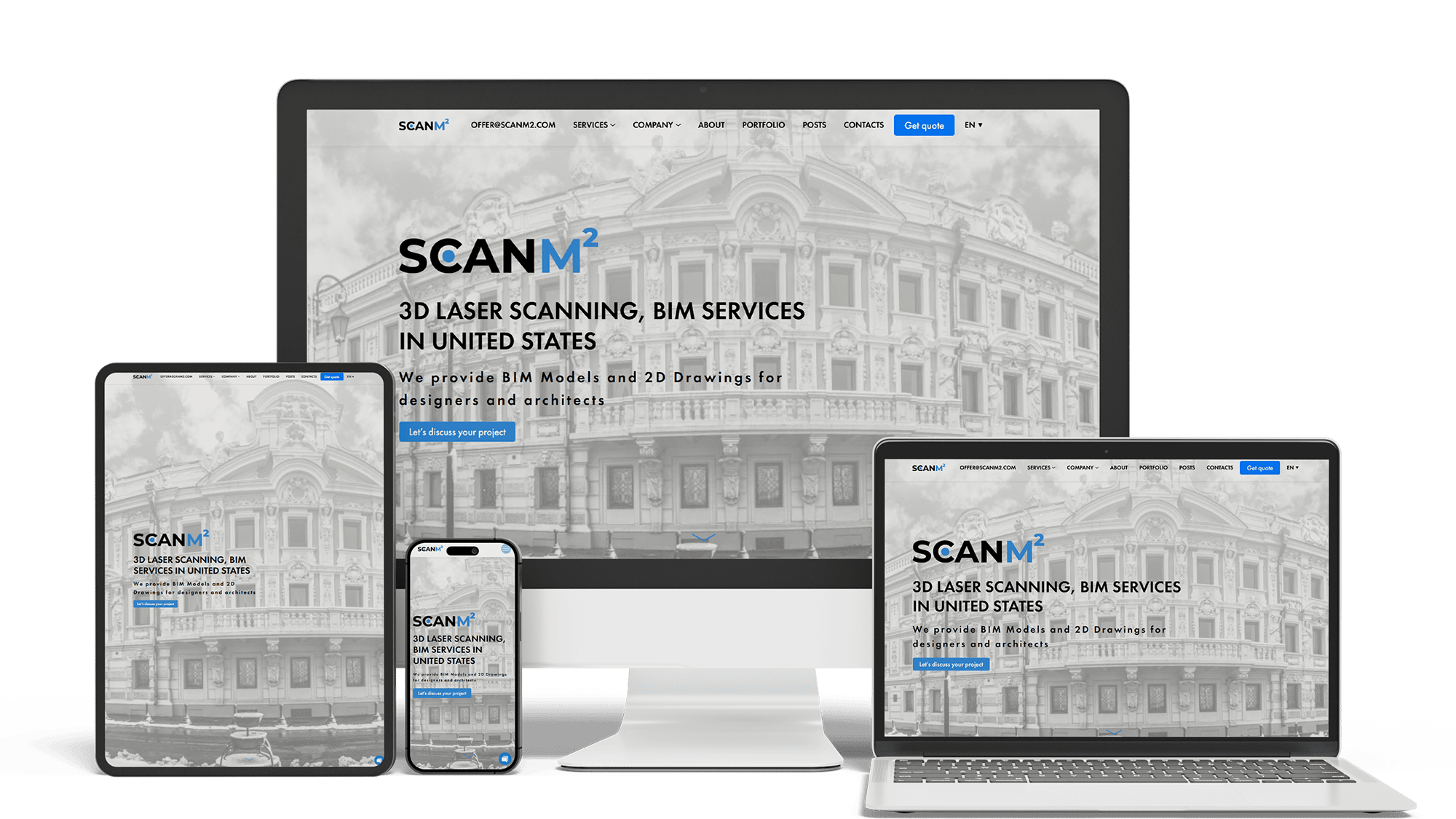
Architecture Website Rebuild and SEO
29× organic trafficLoads in under 1 sTop 3 in Poland
Full Multilingual Website Development & SEO for Student Services
+5,930 clicks in 6 months359k impressionsTeam edits it
Renovation and investment website with a premium feel and 96/98/100/100 performance
96/98/100/100Design system2 languages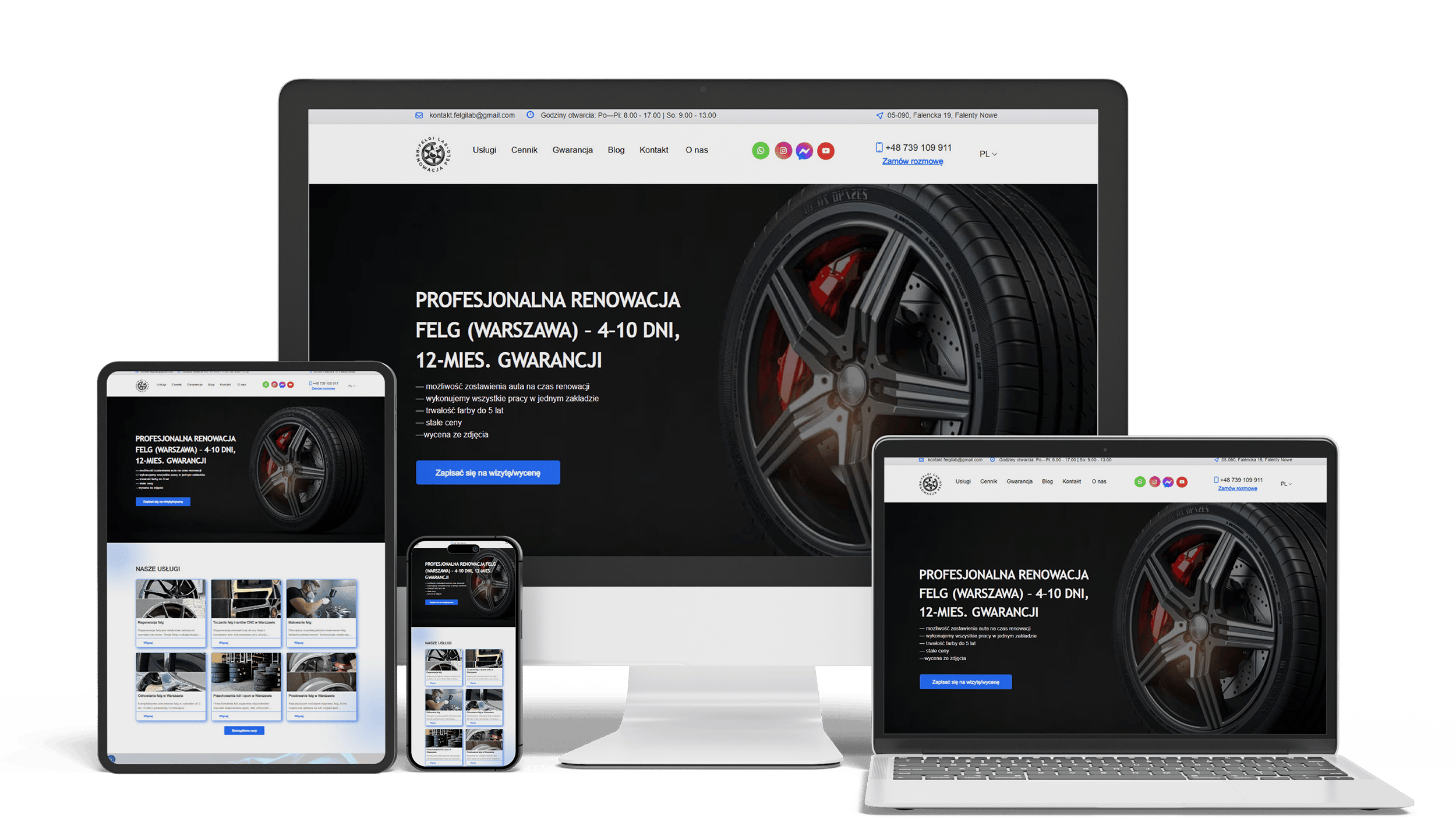
Auto Repair SEO & UX Boost
Performance 90++10% organic trafficLeads from forms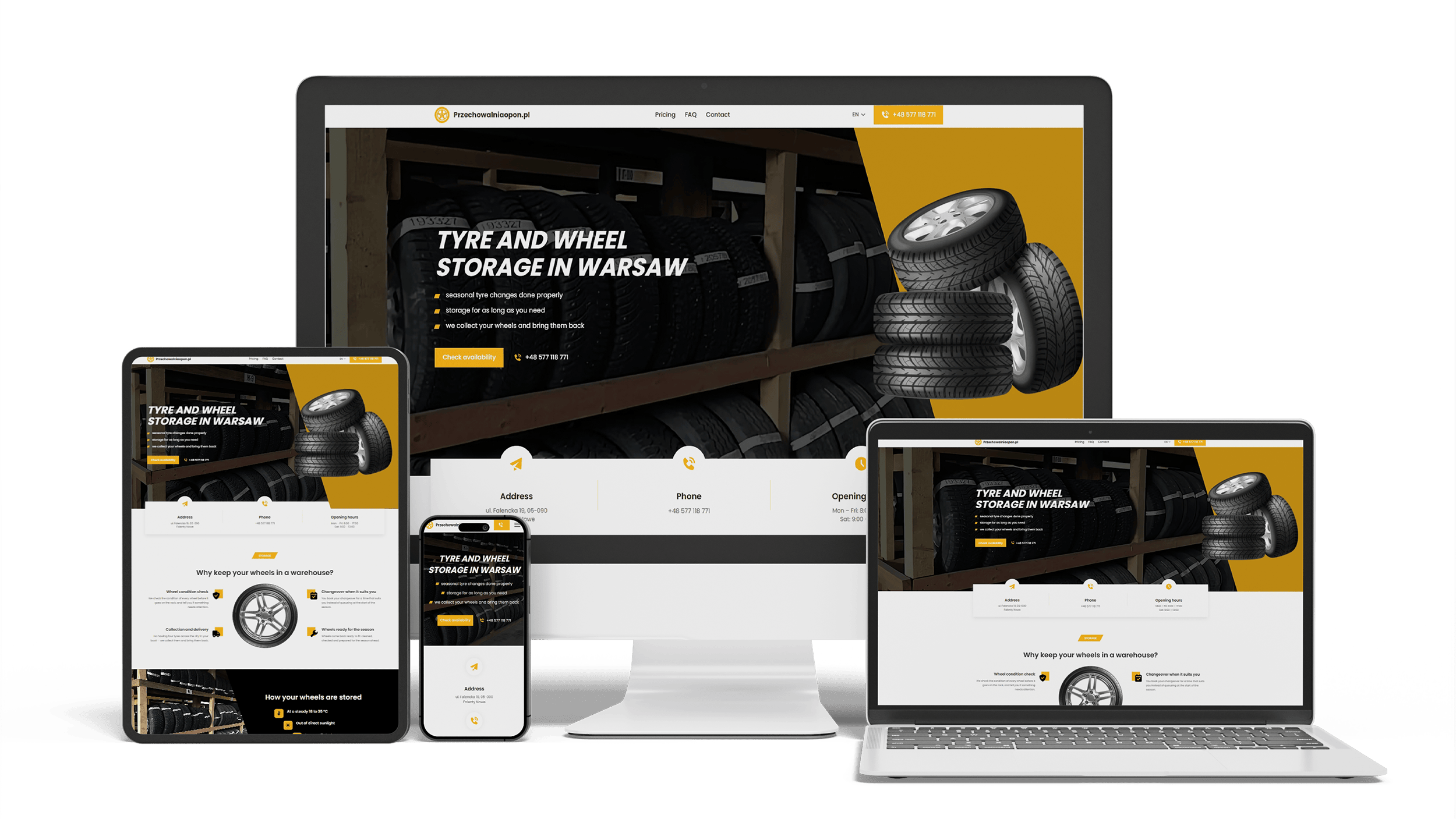
A multilingual landing page for a wheel and tyre storage business
100/95/100/1003 languagesClient edits it
Get a quote for SEO for your IT company
You get my answer within one business day: the services and searches worth starting with, and a fixed price.
I provide SEO for IT companies, so that a CTO, an IT manager or an operations lead who searches for a service, a technology or a partner who knows their industry lands on your site and books a sales call. The work is done by one person, me, an SEO consultant who also builds sites in React and Next.js, and I take it on for software houses, managed service providers, IT outsourcing firms and cloud, DevOps and security consultancies.
Buyers of IT services describe a need, not a vendor category: “Azure migration partner”, “React development company for fintech”, “managed IT services for dental practices”, “Kubernetes consulting Germany”, “SOC 2 readiness help”. Each phrase joins a service, often a technology, and sometimes an industry or a region. IT company SEO builds pages for the combinations you can deliver and prove.
IT services share long sales cycles and buying committees with other B2B companies; that general side is on the B2B SEO page. Companies selling their own software by subscription follow other patterns, covered on the SEO for startups page. This page is about firms that sell expertise and delivery.
Most IT keywords have small volumes and high value: one new client can mean a contract that runs for years. Research draws on four sources:
- the services in your proposals and statements of work, renamed the way buyers name them
- the technologies and platforms your engineers are certified in or use every day
- the industries of your current clients, whose regulations and jargon you already know
- questions from sales calls: migration risk, team size, time zones, security, pricing
Each phrase is then checked in search data and in the results themselves. If the first page holds only directories and global consultancies, a smaller firm needs a narrower angle — a technology plus an industry, or a region.
A single “Services” page with twelve icons cannot rank for any of them. The structure that works has three layers, linked to each other:
- service pages — custom software development, cloud migration, managed IT support, DevOps, QA, security assessments
- technology pages — the stacks you deliver in, what you build with each and who builds it
- industry pages — the sectors you serve, their compliance needs and the projects done for them
Tech stack pages: React, .NET, Python, AWS, Azure and Kubernetes
Technical buyers often start from the stack: a .NET system to modernize, a React front end to extend, a workload to move to AWS. A stack page shows the versions and tools you work with, typical projects, how many engineers have the skill and links to case studies built on it. A wall of forty logos does not rank; three or four stacks described in depth do.
Industry pages: IT support for law firms, software for logistics, cloud for healthcare
An industry page earns trust by naming the sector’s own problems: document management and confidentiality for law firms, uptime and route data for logistics, HIPAA or GDPR constraints for healthcare. Without real projects or knowledge behind it, an industry page is a template, and both Google and buyers notice.
SEO for software companies that build for clients rests on case studies, because a good one ranks for the exact service, technology and industry a buyer types. A case study that ranks has a title with those three elements, the client’s situation, the architecture chosen and why, the stack, the timeline and team size, and outcomes the client approved. When an NDA hides the name, the industry, company size and region still make the page useful. Each project gets its own page — not a PDF behind a form.
Managed service providers mostly sell to companies within driving distance: on-site visits still happen, and owners want a local partner. That makes local SEO central for an MSP:
- a Google Business Profile for each office, with the right category and service area
- a page for each city or region you cover, with response times, on-site options and local clients who agree to be named
- pages for industries common in your area, such as IT support for law firms, accountants or clinics
- client reviews, answered without revealing anything about their systems
City pages that differ only by the city name get filtered out; each needs real local detail. The map side is described on the local SEO services page.
Before a call, buyers compare options: an in-house team or outsourcing, nearshore or offshore delivery, one cloud or another, time and materials, fixed price or a dedicated team. Pages that explain these choices fairly — including the cases where your model is the wrong fit — rank for those searches and bring buyers who already understand how you work. Published rate ranges, even approximate ones, answer the question every buyer asks first. Many IT firms hide them, which leaves the answer to directories and competitors.
For many IT searches, Clutch, G2, GoodFirms and similar directories rank above the vendors themselves, and buyers use their reviews to build a shortlist. AI assistants read them too. So the profiles are part of SEO:
- services, technologies, industries, team size and rate range filled in to match the site
- reviews collected after each finished project, through the platform’s own verification
- a link from each profile to the matching service page
- one company description used everywhere, so facts never conflict
Paid placement in directory rankings is advertising, not SEO; whether it pays off depends on the category.
Google’s quality guidelines look for experience and expertise behind content, summarized as E-E-A-T. In IT, readers spot generic text at once. The articles that bring the right visitors come from your engineers: a migration post-mortem, two frameworks compared on a real project, a checklist from your security reviews. I turn engineers’ notes, recorded calls or internal documents into articles, published under the engineer’s name, role and profile. A few of those do more than a long run of keyword posts.
IT companies often build their own site in the stack they sell, and JavaScript sites have their own SEO problems. React, Next.js and TypeScript are my daily tools, so I fix these in the code:
- pages rendered only in the browser, which Google renders later and many AI crawlers not at all — moved to server rendering or static generation
- titles, descriptions and canonical tags set by client-side code and missing from the HTML
- navigation built from buttons with click handlers instead of real links
- heavy animations and scripts that push Core Web Vitals out of the good range
- staging and preview deployments indexed next to the live site
Before they open a single vendor site, many CTOs and IT managers ask an AI assistant — ChatGPT, Perplexity, Google’s AI Overviews — for a shortlist: “software development companies in Poland with healthcare experience”, “MSPs in Chicago that support Mac environments”. The assistant names a few firms with a reason for each. Getting into those lists is the job of GEO and AEO, generative and answer engine optimization. On an IT company’s site and profiles it comes down to:
- services, stacks, industries, team size, time zones and locations written as plain sentences
- case studies with facts an assistant can repeat
- the same details on the site, Clutch, G2, LinkedIn and partner directories
- structured data for the organization, its offices and its services
- server-rendered pages, because many AI crawlers do not run JavaScript
I capture what assistants say about your company, and which rivals appear next to it, at the start and after the work. Details are on the AI SEO and GEO optimization page.
IT company sites attract many visitors who will never buy: developers reading a technical post, job seekers, students, other vendors. The report keeps them apart:
- project and contact forms from search, with the landing page, passed into your CRM
- how many of those leads sales qualifies (SQLs) and how many reach a proposal
- careers traffic reported separately from sales
A technical article that brings thousands of developers and no leads is reported as exactly that, and judged by whether it helps hiring or brand.
- SEO audit for an IT company — the site, JavaScript rendering, service structure, directories and AI answers: from 250 €, one-off.
- One-off work — service, technology and industry pages, case study rewrites, technical fixes, structured data: 250–700 €.
- Monthly SEO for an IT company, covering new pages, case studies, directory profiles, AI visibility and SQL reports: 800 € a month and up, or 1,300 € a month and up in very crowded markets.
An IT SEO agency usually brings a team and adds paid search, LinkedIn campaigns and content at volume. I do the research, write with your engineers, change the code and read the CRM data myself, without ads. The audit is described on the SEO audit page, the look of the site on the IT company website design page, and all prices on the pricing page.
Software-as-a-service products are found through other searches — trials, alternatives, “best software” lists: SaaS SEO.
SEO for IT companies: frequently asked questions
Order SEO for your IT company: what to send me
Share your website, the services and technologies you want more projects in, the industries and countries you sell to, your Clutch or G2 profiles if you have them, which CRM holds your leads, and a couple of recent deals you would like to repeat. You will get back the first fixes I see and a fixed price. Use the form above or write on WhatsApp.
