


Ecommerce web design and online store development: a shop that sells, not just one that looks finished
I design and build online stores: catalogue, cart, payments, delivery and returns. The design decides whether a visitor reaches the checkout, and the build decides whether the catalogue can be found at all. This page says what goes into both, what it costs and how long it takes.
- Catalogue, cart, payments, delivery
- Stores from €2,000
- Reply in 1 working day
What I build for online stores
- A store from scratchCatalogue, cart, payments, delivery, returns
- A store in several languagesLanguages, currencies, delivery per country
- Redesign of a store that already sellsNew design without losing the rankings
- Migration to another platformCatalogue, addresses and redirects kept
- One product, one pageA landing page with payment, no catalogue
- Integrations for an existing storeStock, accounting, delivery, CRM
A store template gives you a grid of products and a checkout. What it does not give you is the set of decisions that determine whether someone buys: how a product with four variants is shown, what happens when a size is out of stock, where the delivery cost appears, and how many steps stand between the cart and the payment. Those decisions are the design work, and they are made per store, because they depend on what you sell.
Two examples of what this means in practice. A clothing store that hides the size chart behind a tab loses the hesitant buyer, who would rather close the page than guess; the same store that shows the size chart next to the size selector converts the same visitor. A store with free delivery above a threshold that mentions it only at the final step gets abandoned carts, because the visitor priced the order wrong at the start.
The build is five jobs, and a store launched without any one of them comes back as a bill later.
- the catalogue: categories, filters, product variants, and one address per product rather than three;
- the cart and checkout: as few steps as the payment provider allows, guest checkout kept, delivery cost shown before the last step;
- payments: card, and the local method your buyers actually use, with the provider chosen for your country rather than for the demo;
- delivery: zones, prices, pickup points, and a tracking number that reaches the buyer without you typing it;
- returns and the legal pages: terms, privacy, and the withdrawal rules your market requires, written as pages rather than as a PDF.
Stock and accounting are the sixth job when you already run them somewhere. A store that keeps its own separate stock count is a store that oversells, and overselling costs more than the integration did.
Shopify
Hosted, fast to launch, and it handles payments and tax rules for you. The trade is monthly fees, app fees on top, and a limit on how far the catalogue logic can be bent. For a straightforward catalogue sold in one or two countries, that trade is usually worth it.
WooCommerce development on WordPress
Cheaper to own, and anything can be changed because the code is yours. The trade is that it is a real site to maintain: updates, backups, and speed work on the listing templates, which is where WooCommerce stores slow down. Right when you already run WordPress or need unusual catalogue rules.
A custom build on Next.js with a headless CMS
Right when the store is part of something bigger — accounts, several languages and currencies, a configurator, or data arriving from a system you already run. Fastest on the pages that sell, and the most expensive to start. Wrong for a first store with thirty products.
I build on all three and say which fits before quoting, because the platform decides the price more than the design does. If the store is one part of a larger site, that is website development, and the technical side of a custom build is Next.js development.
An online store with a catalogue, cart, payments and delivery starts at €2,000. A single-product landing page with payment is €700–1,400. A redesign of a store that already sells, keeping its rankings, starts at €1,000. What moves the price: how many products and variants, whether stock and accounting have to be integrated, how many payment and delivery providers, how many languages and currencies, and whether the catalogue arrives as a clean file or as a spreadsheet nobody has touched in two years. Design is included, never a separate line. The full list is on the pricing page.
A store with a catalogue takes four to eight weeks, a single-product landing page two to three. What stretches it is almost never the code: it is the product data. Photographs, descriptions, variants, weights for delivery, and the decisions about what happens to items you no longer stock. Stores that launch on time are the ones where somebody on your side owns the catalogue file from day one.
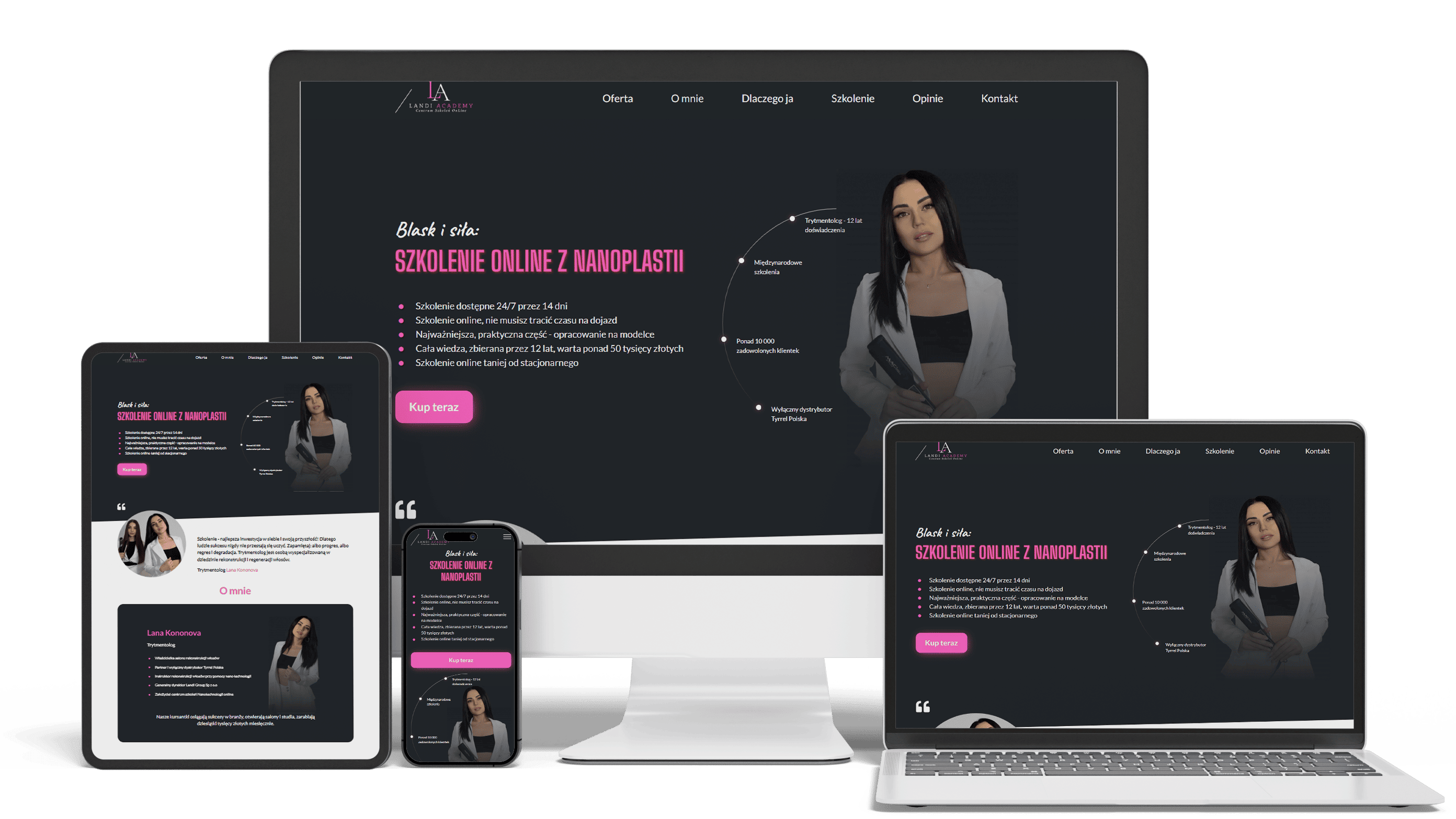
E-commerce landing page with secured video access
100+ course sales0 leaksLinks expire in 14 days
Multilingual real estate platform in Cyprus: SEO and GEO without bought links
16× faster editingTraffic from ChatGPTLeads via WhatsApp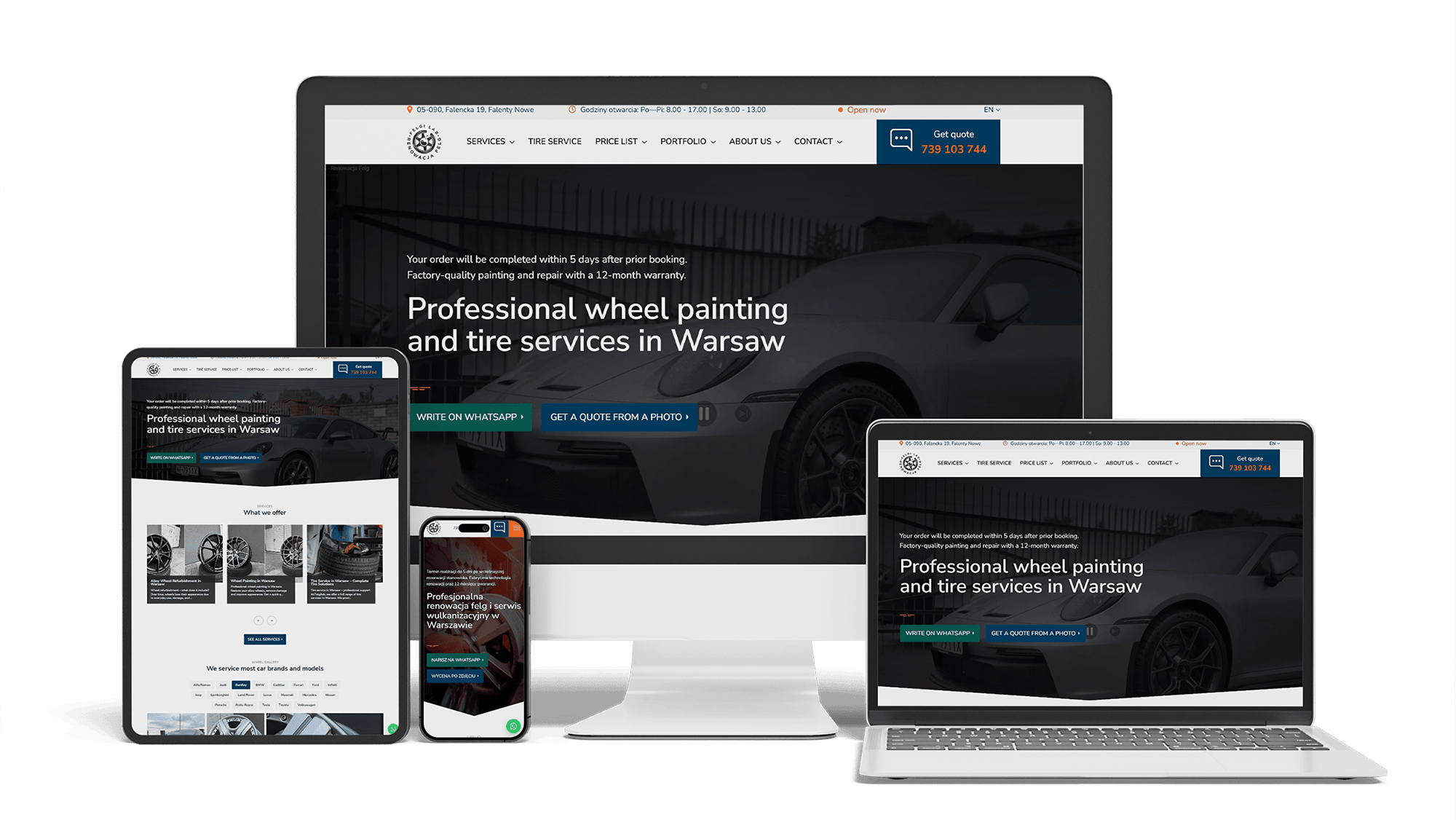
Full WordPress Rebuild for a Car Rim Restoration Company
92/91/96/100Photo quote formLocalBusiness markup
Full Multilingual Website Development & SEO for Student Services
+5,930 clicks in 6 months359k impressionsTeam edits it
Investment Platform with AI-Guided Learning
Loads in under 1 sAI onboardingInvestment calculator
A quote for your online store
I reply within one working day: which platform fits, what I would build and at what price.
Ecommerce website design for AI shopping answers (GEO, AEO)
Buyers increasingly ask ChatGPT, Perplexity or Google's AI Overviews to compare before they open a store. An assistant answers from text and structured data it can read, and a store built as a picture gallery gives it nothing. What makes a catalogue readable: product name, price, availability and delivery terms as text rather than inside an image; product and offer markup that matches what the page shows; one address per product; and the same price and availability on the store, the marketplace listing and the Google Merchant feed.
Getting an existing store into that state is its own job: preparing a site for AI search. And if the store is built well but search brings nothing, that is ecommerce SEO — a separate job from the build, and the search results for the two barely overlap.
Ecommerce web design and development: frequently asked questions
Order an online store: what to send me
Send what you sell, roughly how many products and variants, which countries you ship to, and which systems you already run for stock and accounting. If a store exists, send the link. I reply within one working day with which platform fits, what I would build and at what price — and if a single-product landing page would do the job for a tenth of the budget, I will say so.
