




The Digital Transformation of the Legal Industry
The legal profession has entered a digital era. Today’s clients don’t depend only on word of mouth — they research, compare options, and make decisions online.
For a lawyer, a website is no longer optional — it’s essential for building credibility, increasing visibility, and supporting long-term growth. In 2026, more than 80% of clients in the UK and US begin their legal search through Google or Bing. A well-designed website helps you appear in those results and win their trust before the first call.
The Role of a Website in Modern Legal Practice
Building Trust and Credibility
Trust forms the foundation of every legal relationship. A professional website acts as digital proof of expertise — showcasing your credentials, client reviews, and successful case results.
When a potential client finds your site, reads about your experience, and sees consistent branding, they’re more likely to contact you. According to Law Technology Today, 70% of legal clients consider a website as a key trust factor when choosing a lawyer.
The Website as a 24/7 Legal Office
Unlike a traditional office, your website remains accessible around the clock. It serves clients across time zones — ideal for professionals working with international clients in the UK, EU, or Middle East.
Your digital office provides immediate access to:
- practice areas,
- consultation booking forms,
- informative blog posts,
- and contact options.
That convenience alone can double your inquiry rate compared to lawyers without an online presence.
Key Benefits of Having a Website for Lawyers
2.1 Expanding Client Reach Beyond Local Markets
A website allows you to move beyond local word-of-mouth marketing. Through SEO and multilingual content, lawyers can attract clients from abroad — for example, English-speaking clients in Israel or Scandinavia.
Even a single article targeting “family lawyer in London” or “business attorney in Zurich” can bring steady traffic from organic searches.
Enhancing Client Acquisition Through SEO
SEO (Search Engine Optimization) increases your website’s visibility in Google search results for relevant legal queries.
For example:
- “real estate lawyer Dubai”,
- “corporate attorney in London”,
- “immigration lawyer USA”.
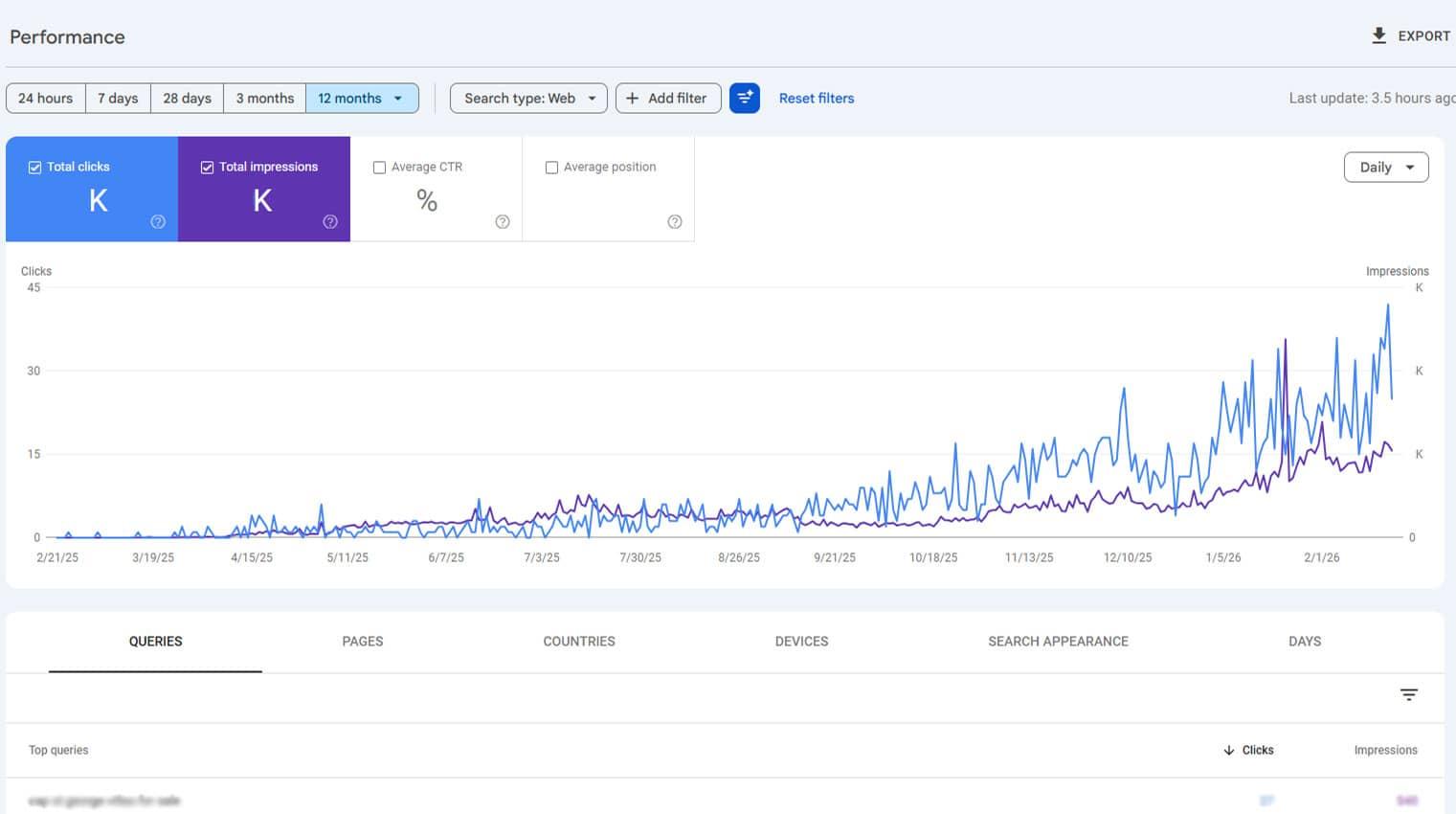
Optimizing your site with those keywords, meta tags, and internal linking generates free, recurring leads — unlike paid ads that stop once your budget ends.
Reducing Advertising Costs with Organic Search
Many lawyers overspend on Google Ads or directories. SEO-driven websites, however, generate consistent traffic over time.
Paid ads disappear once the budget runs out, but organic search presence can keep building over time. A properly optimized legal website can save up to 40% in advertising costs per year.
Does your legal practice need a website?
Let's discuss the details and get your practice online!
What a Successful Lawyer Website Should Include
Essential Pages and Features
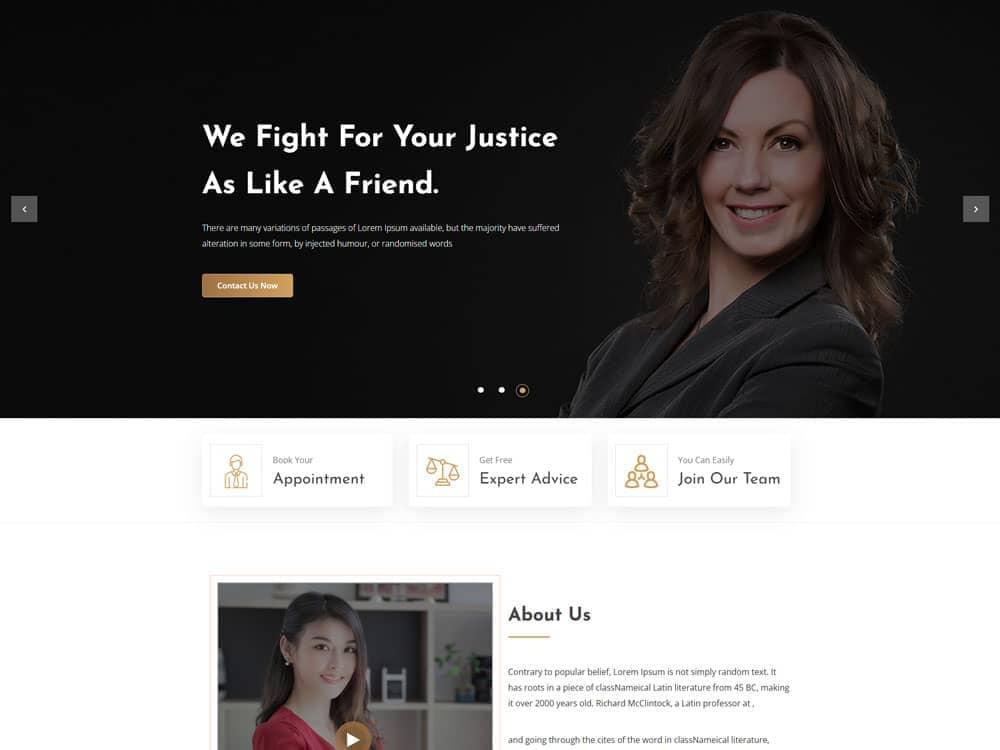
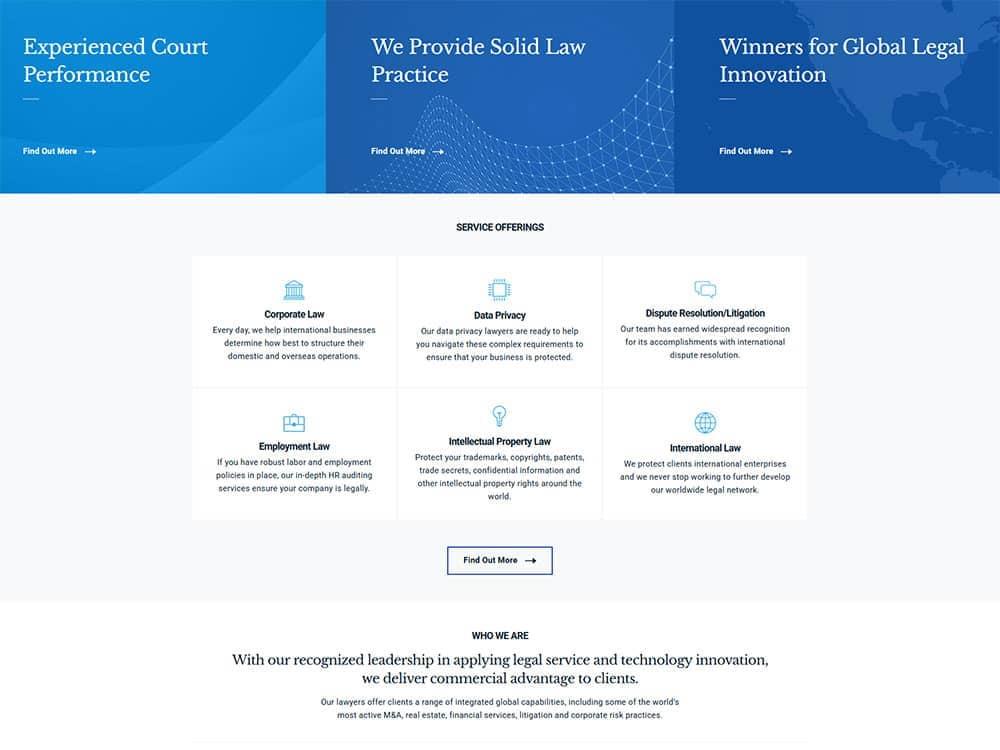
A great lawyer website should cover all critical user touchpoints:
| Page / Section | Purpose | SEO Benefit |
|---|---|---|
| Homepage | Introduces your value and practice areas | Strongest ranking signal for brand queries |
| About / Profile | Builds authority and trust | Enhances expertise (E-E-A-T) |
| Services / Practice Areas | Converts visitors to leads | Targets commercial keywords |
| Blog / Insights | Demonstrates expertise | Attracts long-tail organic traffic |
| Contact Page | Simplifies communication | Improves conversion rate and local SEO |

SEO and Technical Optimization
To rank well and provide a smooth user experience:
- Use descriptive meta titles and descriptions.
- Apply structured headings (H1–H6).
- Compress images and use proper alt tags.
- Ensure mobile responsiveness and fast load times.
- Implement schema markup for legal services.
Why SEO Is Critical for Legal Websites
How Clients Search for Lawyers Online
Clients rarely type “lawyer” into Google. They use specific, intent-based queries such as:
- “divorce lawyer near me”,
- “tax attorney in Dubai”,
- “immigration lawyer for EU citizens”,
- “English-speaking lawyer in Zurich”.
To capture this traffic, your website must be optimized for targeted keywords and location-based phrases. Google now prioritizes websites that clearly explain their expertise, location, and authority.
Local and International SEO Strategies
For law firms working across borders, local and multilingual SEO are essential.
Here’s how to implement both effectively:
| Strategy | Implementation | Impact |
|---|---|---|
| Local SEO | Add Google Business Profile, local schema, and region-specific keywords | Higher visibility in local searches |
| Multilingual SEO | Separate pages or subdomains (e.g., /en/, /de/, /pl/) | Attracts clients in multiple countries |
| Backlink Outreach | Publish on legal directories and local media | Boosts domain authority |
| Structured Data | Use LegalService schema | Improves CTR and snippet visibility |
Website vs Social Media Profiles
Some lawyers believe that a LinkedIn or Instagram page is enough.
While social media is a useful complement, it cannot replace a website.
| Platform | Pros | Limitations |
|---|---|---|
| Website | Full control, SEO benefits, credibility, lead generation | Requires setup & maintenance |
| Networking & reputation | No SEO ranking, limited customization | |
| Instagram / Facebook | Quick communication | Low professional trust, short content lifespan |
A website remains your central brand hub, while social media should direct traffic to it.
Common Mistakes Lawyers Make When Building a Website
- Using generic content – Phrases like “we provide legal services” are overused and unconvincing.
- Ignoring SEO basics – No meta tags, no headings, no alt text.
- Slow website speed – Visitors leave after 3 seconds of waiting.
- No clear call to action – The user doesn’t know how to contact you.
- Neglecting mobile optimization – More than 65% of users browse via smartphone.
Avoid these mistakes, and your website will instantly perform better than most competitors.
How I Help Lawyers Create High-Converting Websites
As a specialist in SEO and web development for lawyers, I design websites that convert visitors into clients.
My process includes:
- Professional, minimalistic design focused on credibility.
- SEO optimization with legal-industry keywords.
- Technical setup (speed, security, schema, mobile).
- Integration of booking forms and contact automation.
Your website needs to do more than impress visually — it should consistently attract clients around the clock and secure strong positions in Google search results.
Common Questions About Lawyer Websites
A Website Is Your Strongest Marketing Asset
In a digital-driven environment, your website serves as your most impactful and influential business card.
It strengthens credibility, draws in new clients, and establishes you as a trusted expert in your field.
Whether you run an independent practice or work within a larger firm, investing in a professionally optimized website is one of the most strategic business moves you can make.
If you’re looking for support in creating or promoting a website that genuinely generates clients, I can help you develop it from scratch.